





The current environment has undergone significant changes, leading to diversified consumer demands and driving a series of innovations in the beverage industry. According to data from iiMedia Research, the size of China's beverage market reached 1,247.8 billion yuan in 2022, and the overall beverage industry in China continues to maintain a positive growth trend. At the same time, people's pursuit of beverages has shifted to focus on health benefits and taste experiences, with an expectation for beverages to further improve body nutrition and lifestyle.
Additionally, different consumer groups exhibit distinct consumer behaviors and, further drive continuous optimization and upgrading of consumer product categories. Faced with the rapid rise of future business groups and evolving demands, what new consumer trends have emerged in the beverage industry? Which specific categories have become new growth areas? How can brand innovation leverage these trends? In light of these questions, New Nutrition explores 8 major trends to analyze the development direction of the beverage industry, providing strategic advice for brands to enhance quality, overcome developmental bottlenecks, and guide the way forward.
- Moving towards a complete product range, with more diversified product offerings.
- Consumer upgrading, simplifying product labeling.
- Embracing plant-based ingredients, unlocking new potential.
- Changing the conversation about sugar, giving people reasons to consume it.
- Focus on drinking water, bottled water market on the rise.
- Breaking free from singular focus, catering to new demographics, scenarios, and functions.
- Market competition through cross-industry collaborations, sparking product innovation.
- Unveiling new social interactions, and beverages introducing fresh approaches.
These trends reflect the changing consumer demands and evolving market landscape in the beverage industry, encompassing health benefits, taste experiences, and improved lifestyles.

Moving towards a complete product range, with more diversified product offerings
The economic development and improvement of people's consumption levels have led to the growth of a new and expanding young population, giving rise to new consumer demands. According to data from the National Bureau of Statistics, the Z Generation, as the emerging generation, has surpassed 260 million individuals, accounting for approximately 19% of the total population and becoming a key target consumer group for many brands. Influenced by diverse and comprehensive cultures, they have a strong desire for uniqueness and novelty. They have a high acceptance of personalized, distinctive, and experiential products, and unique products are more likely to be after them.
To meet the demand for segmented product categories, a comprehensive product range layout has become a new direction for companies to break through limitations. For example, global beverage conglomerate Coca-Cola, based on a strategy of offering a complete product range, has gradually expanded into categories such as carbonated drinks, sparkling water, and fruit juices, unlocking greater growth opportunities and further enhancing its overall competitiveness.
Consumer upgrading, simplifying product labeling
The demand for a healthy diet has soared, placing processed foods in the spotlight. While these foods offer convenience and flavor, they also come with certain negative health implications. People are now demanding more from products and are looking for easily identifiable and closer-to-nature ingredients on product labels. According to a survey conducted by Ingredion in the Asia-Pacific market, Chinese consumers have the highest concern for food labels and ingredients. Approximately 85% of Chinese consumers pay attention to the ingredient list when purchasing food, and have strong reservations against "unclean" ingredients like artificial additives.
The concept of "clean labeling" has emerged to meet consumers' demands for simplicity, transparency, and authenticity in food. People want to know if a product contains additives and also whether the ingredients are natural and of high quality. More and more beverages are featuring "clean labels," such as the Simply Love yogurt, which emphasizes its "additive-free" concept. By using natural and premium ingredients, along with pure and minimalistic formulations, they have created a brand image of high quality, additive-free, ingredient safety, and exceptional taste.
Embracing plant-based ingredients, unlocking new potential
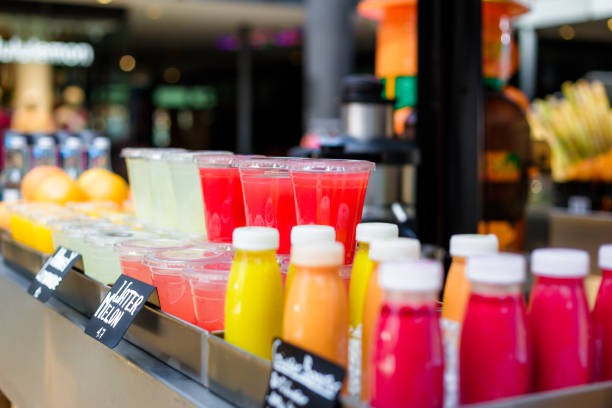
The concept of natural and healthy products has gradually gained popularity, thanks to the inherent "safety and benefits" associated with plant-based ingredients, making them an ideal choice for consumers. In recent years, the beverage industry has faced new competition as the market for plant extract development remains active. Natural herbal plants are making their way into the beverage industry, being widely used in various innovative products. In China, the market size of plant extracts has maintained steady growth, increasing from 34.2 billion yuan in 2019 to 40.7 billion yuan in 2021, with an estimated value of over 60 billion yuan by 2025.
According to Global Data, the potential market for plant-based food in the Asia-Pacific region is expected to reach 13 billion yuan by 2025, with the Chinese market accounting for 8 billion yuan. The annual compound growth rate for the Chinese market from 2020 to 2025 is projected to reach 171%. Therefore, beverage companies are attempting to explore underutilized plant materials and expand plant-based products to a wider range of categories.

Changing the conversation about sugar, giving people reasons to consume it
Over the years, the concept of consuming low-sugar products has become deeply rooted among consumers, as they seek to reduce their intake when purchasing products. Despite the impact of the reduced sugar trend on the global beverage industry, sugar remains an important component of our diet, as it stimulates the brain and triggers the release of dopamine and endorphins, helping regulate mood and promote a sense of pleasure.
As people increasingly focus on health and wellness, brands are seeking ways to reassure consumers about their sugar consumption. However, relying solely on sugar substitutes is no longer sufficient for product innovation by end-product companies. Alternative sweeteners are now being used to replace traditional beverage ingredients like sucrose and maltose.

Focus on drinking water, bottled water market on the rise
Water is a vital component of the human body, maintaining overall health and supporting normal bodily functions. While the act of drinking water has historically been focused on meeting basic hydration needs, with the increasing emphasis on health, the concept of "healthy drinking water" has gained popularity.
The demand for water has evolved from simply boiling tap water to the preference for mineral water, with consumers even becoming concerned about the mineral composition of water. As consumers seek healthy and convenient choices, the bottled water market has experienced strong growth.

Breaking free from singular focus, catering to new demographics, scenarios, and functions
In a sluggish market, there has been an emergence of consumer demand for personalized and diversified products, prompting beverage companies to explore niche segments. By catering to the specific needs of certain consumer groups, companies have the opportunity to expand their market reach and gain a competitive advantage in rapidly growing niche categories. This allows them to break through into new stages of development.
As the beverage industry enters a new phase, the segmentation of consumer demographics, functions, and scenarios becomes a crucial driver for breaking away from homogeneity and promoting refined development within the category.
Market competition through cross-industry collaborations, sparking product innovation.
The competition in the beverage market has become increasingly intense, and brands must rely on product innovation to stand out from the crowd. With a huge market potential and the highly influential younger generation, consumer brands are now leveraging a more flexible and innovative approach to tap into the desires of the younger generation. As the world undergoes revolutionary changes, cross-industry collaborations are advantageous in seizing market opportunities, and more and more brands are seeking to form strong alliances and establish new emotional connections with consumers. To respond to these new consumer trends, brands are attempting to inject fresh elements to achieve brand rejuvenation.

Unveiling new social interactions, and beverages introducing fresh approaches
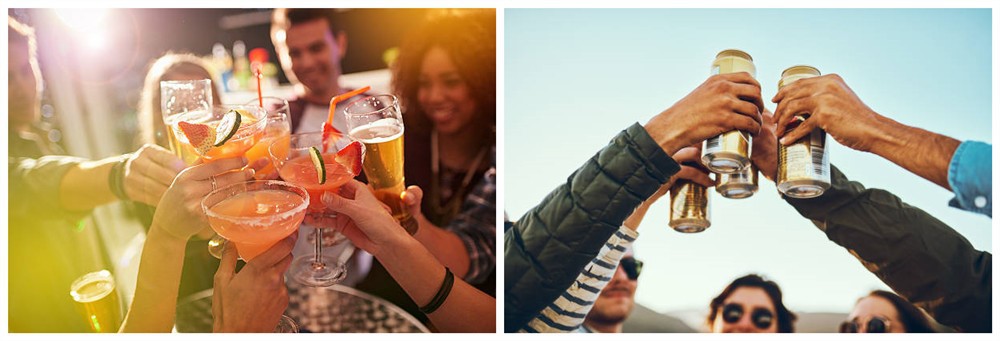
The low-alcohol beverage market is experiencing exceptional growth, as young consumers are seeking new ways to unwind. Concepts like "small indulgence" and "slight intoxication" are gaining popularity as emotions and social connections are amplified. Furthermore, information age, consumers' sources of information are not isolated or closed off. An increasing number of Generation individuals are also willing to share their reviews and experiences of being influenced or dissuaded on social media platforms.
Various low-alcohol beverages are attracting consumers with their attractive appearance and novel taste, allowing them to cater to the drinking scenes in casual social gatherings. This has brought new creativity to the development of the niche segment of new alcoholic drinks in China.
For players in the food and beverage industry, the beverage sector is a hotly contested playing field, and competition in the market will only intensify. Companies need to prioritize their target consumers and deeply explore and innovate consumer needs. They should focus on research and development, technology, and scenarios to drive innovation. By utilizing this information, companies can develop scalable products and formulas to meet ever-changing demands. As a raw material supplier in the food and beverage industry, HSF Biotech offers natural and plant-based ingredients that are in line with current brand trends. Functional ingredients such as natural vitamin E, fermented beta-carotene, lycopene, erythritol, and many others are available, perfectly meeting the requirements of various brand manufacturers.
Want to get FREE SAMPLES, please contact our specialists at sales@healthfulbio.com.