


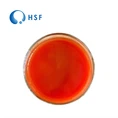

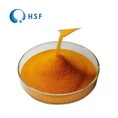
What is astaxanthin?
Astaxanthin is a powerful carotenoid with antioxidant properties, a natural compound that reduces oxidative stress caused by free radicals in the body. Oxidative stress can occur during daily body processes, including exercise and additional stressors such as environmental toxins, injury, unhealthy diet, and is a normal part of aging.
 |
 |
Astaxanthin displays the highest oxygen radical absorbance capacity (ORAC), many orders of magnitude higher than other common antioxidants such as alpha-tocopherol, alpha-carotene, beta-carotene, lutein, and lycopene. Research shows that astaxanthin use is associated with a variety of health benefits, including neuroprotection and cardioprotection as well as promoting skin and eye health.
Benefits of Astaxanthin
Astaxanthin, Hormones, and Vision
Extensive research, including clinical studies involving more than 180 people, shows that astaxanthin's powerful antioxidant properties can support eye, heart and skin health, and aid athletic performance and recovery. One of the main benefits of astaxanthin is its antioxidant benefits that support eye health. Photoreceptor cells in the eye are exposed to large amounts of oxidative stress from light and oxygen on a given day. Eyes can also be damaged by UV exposure. Research shows that astaxanthin can increase our retina's ability to resist these oxidative stresses, including eye strain and fatigue, both of which are common from close viewing and prolonged exposure to the blue light of computer screens. Research shows that astaxanthin supports our retinas from these oxidative stresses, including even eye strain and fatigue.
 |
 |
Astaxanthin and Immune Health
Another benefit of astaxanthin is that it can enhance immune health. Antioxidants are known to provide protective effects on different immune functions. A study of young healthy women showed an enhanced immune response after dietary supplementation with astaxanthin.
Astaxanthin and skin health
When it comes to skin health, astaxanthin promotes even skin tone, helps keep skin moisturized, and shows significant protective effects against oxidative stress in the skin that can lead to premature aging. A double-blind, placebo-controlled study showed that astaxanthin was an important variable in significantly improving wrinkles in 66 participants.
 |
 |
Astaxanthin and Exercise Performance and Recovery
Exercise is known to induce oxidative stress, with side effects including fatigue during exercise and muscle soreness after exercise. A 2014 animal study showed that the astaxanthin group delayed time to failure by 29% in a swimming test. A 2011 clinical trial on competitive cyclists showed an increase in power output in the group taking astaxanthin. A later study from 2016 also provided evidence of the performance-enhancing effects of astaxanthin in competitive male cyclists. In this study, cyclists who supplemented with 12 mg of astaxanthin daily for 7 days before a race experienced increased systemic fat oxidation rates and reduced overall time during the final stages of an endurance race.
Application of astaxanthin in functional foods
A large number of studies have shown that astaxanthin can effectively remove free radicals generated in muscle cells due to exercise, strengthen aerobic metabolism, and has significant anti-fatigue and anti-aging effects; it can significantly improve human immunity; it is the only drug that can pass through the blood Brain barrier carotenoids have antioxidant protective benefits for the eyes and have a variety of important and unique health-care properties. It can also be used as a new functional food additive, as a food colorant, antioxidant, etc., to improve food quality and enhance the sensory perception of food.
1. Application in anti-aging functional foods
Aging of the body is mainly caused by a large number of free radicals produced in the chain oxidation reaction in mitochondria. If not removed in time, it will cause oxidative damage to mitochondria and accelerate the aging of body cells. Astaxanthin has extremely strong antioxidant activity and can effectively scavenge oxygen free radicals. Its efficiency is more than 100 times that of VE. Astaxanthin not only maintains strong antioxidant capacity, but also slows down age-related functional decline and helps resist aging. Therefore, adding astaxanthin to functional foods will help prevent a series of diseases caused by organ aging and improve people's health.
 |
 |
2. Application in foods that enhance immune function
Astaxanthin can significantly promote the ability of spleen cells to produce antibodies in the presence of antigens, and enhance T cells to stimulate the production of immunoglobulins in blood cells in the human body. In the early stages of antigen invasion, astaxanthin can also enhance specific humoral immune responses. Astaxanthin has the best activity in inducing cell division, can increase the production of human immunoglobulins, and has an important immunoregulatory effect.
3. Application in eye protection functional foods
The main diseases that cause visual damage and even blindness are age-related macular degeneration (AMD) and senile cataracts, both of which are related to the photo-oxidation process inside the eye. The human retina contains higher levels of polyunsaturated fatty acids and high concentrations of oxygen than any other tissue. When high-energy blue light acts on the retina, the singlet oxygen and oxygen free radicals produced by photooxidation will cause peroxidative damage to the retina. .
For humans and other animals, dietary carotenoids are necessary to protect eye health, quenching these damaging reactive oxygen species and helping the retina resist oxidative damage.
Studies have shown that astaxanthin can pass through the blood-brain barrier and effectively prevent retinal oxidation and damage to photoreceptor cells, indicating that astaxanthin has good effects in preventing and treating "age-related macular degeneration" and improving retinal function. Therefore, the application of astaxanthin in functional foods to protect vision and maintain eye health is a hot topic in current research at home and abroad.
 |
 |
4. Application in functional food additives
In the food industry, astaxanthin can not only be added to food as an immune enhancer, anti-aging agent and other functional ingredients, but can also effectively play a role in preserving freshness, color, taste and quality. Oxidants, etc. It is used to protect the original nutrients of food from damage or loss or to improve sensory properties and enhance the appeal of food to consumers. Astaxanthin is a fat-soluble pigment with a bright red color, natural and lifelike, strong pigment deposition ability, strong coloring power, safe and non-toxic, low dosage, no peculiar smell and good taste. It can be used for the coloring of many health care products as well as the coloring of tablet sugar coatings and capsules. It can also be directly used in foods, such as edible oils, margarine, ice cream, candies, pastries, noodles, seasonings, etc., especially foods containing a lot of lipids. It has both good coloring effects and significant shelf life.
Astaxanthin from HSF Biotech
Healthful Biotech is the ISO22000 Qualified Manufacturer for Natural Color Products.
 |
 |
Relying on advanced technology, HSF is equipped with modern production equipment, follows scientific production processes, produces strictly according to international production technical standards, and provides customers with high-performance and high-quality Astaxanthin with excellent service.
For more details, please contact us:
Email: sales@healthfulbio.com
Whatsapp: +86 18992720900