




Eye health is crucial for everyone, especially as we age and become more susceptible to various eye conditions. One such issue that commonly arises is "floaters," which are important to address. Additionally, the relationship between food and eye health is a topic of great significance.
What is Floaters?
Some people may occasionally see black shadows floating in front of their eyes, which is what we typically refer to as "floaters." This is an eye condition, but what exactly is "floaters"? You may not know the formal medical name for floaters, but you may sometimes notice black shadows flitting across your field of vision. Floaters, also known as vitreous opacities, may appear in the form of spots, strands, or cobwebs, and their appearance is not a visual illusion, but a real visual phenomenon.
To understand where they come from, some knowledge of eye anatomy is needed. In front of our eyes is the cornea, behind which lies the pupil (the black part in the center of the eye) and the iris (the colored ring around the pupil). Between them is a watery fluid. The layer of photoreceptor cells at the back of the eye is called the retina. When neurons on the retina are stimulated by light, they send visual information to the brain via the optic nerve. The liquid between the lens and the retina is called the vitreous humor, or simply vitreous.
Under normal circumstances, the vitreous humor is clear, transparent, and colorless. It consists mostly of liquid with a small amount of gel-like substance. From birth to death, the vitreous humor does not undergo replenishment or renewal. This means that if foreign substances such as blood or other cells enter the vitreous humor, they will remain there. These tiny debris that stay in the eye can block the passage of light through the eye and cast small shadows onto the retina. If these shadows appear in our field of vision, it is what we commonly refer to as "floaters."

As one age, some of the gel-like substances in the eye naturally degrade and start to move around. Whenever this happens, solid particles scattered in the vitreous humor can accumulate and form small shadows projected onto the retina, thus becoming the "floaters" that seem to fly across our vision.
The phenomenon of floaters is quite common. According to a study in the UK, optometrists encounter an average of 14 patients with floaters per month. Another study used a smartphone application to assess the prevalence of floaters. Among 603 Android smartphone users, approximately 446 people (or 74%) self-reported having floaters, but only about one-third of them claimed that floaters had a detrimental effect on their vision.
Because most individuals gradually adapt to this condition, some people's floaters may even disappear over time. Most researchers believe that floaters, as an eye condition, are mostly benign.
However, for some individuals, floaters can cause severe distress and harm, and they may even serve as a precursor to the development of serious eye conditions in the future. For example, sudden and severe floaters in older individuals can potentially trigger a posterior vitreous detachment (PVD), where the vitreous detaches from the retina. PVD can lead to retinal tears and, ultimately, blindness. A simple internet search reveals numerous purported treatments for floaters, ranging from unreliable yoga therapies to seemingly reasonable invasive surgical methods. Of particular concern is that some seemingly plausible treatment approaches have not received support or approval from the US Food and Drug Administration (FDA).
One such method is the use of yttrium-aluminum-garnet (YAG) lasers, a common tool in ophthalmic surgery, to treat floaters. For many patients with vision impairment caused by floaters, a widely accepted treatment is a surgery called a vitrectomy, in which the vitreous humor is removed and replaced with a saline solution. However, due to the significant risks associated with vitrectomy itself, including retinal tears and cataracts, it is generally considered a last resort when floaters severely impair visual function.
For the majority of individuals with floaters, what is usually needed is simply widespread education on proper eye care practices.

Can food improve vision?
Research suggests that certain key nutrients can protect the eyes of adults from the most common causes of blindness. But can these nutrients also improve vision? Some studies have shown that after supplementing the eyes with nutrients for 90 days, there was a noticeable improvement in vision.
So, what are the foods that promote eye health? What nutrients do our eyes specifically need?
- Lutein helps protect the eyes from harmful light damage. Lutein acts as a natural "sunscreen" for the macula of the eye. Many fruits and vegetables contain lutein, with high amounts found in egg yolks, corn, and leafy green vegetables.
- Zeaxanthin has a similar effect to lutein and is found in many fruits and vegetables. Goji berries are particularly rich in zeaxanthin, and peppers, corn, and leafy green vegetables are also good sources of zeaxanthin.
- The body can convert beta-carotene into vitamin A, which plays a significant role in protecting the eyes. Beta-carotene is found in carrots, leafy green vegetables, mangoes, sweet potatoes, and many other fruits and vegetables.
- Vitamin E can protect the eyes from damage, and some studies have found that it may delay the formation of cataracts. Many foods contain vitamin E, but the richest sources of vitamin E come from plant oils such as soybean oil, corn oil, and olive oil. Other abundant sources of vitamin E include nuts and seeds.
- Astaxanthin can promote vascular health, and reduce the risk of cataracts and macular degeneration. Rich sources of Astaxanthin include oranges, red peppers, green peppers, strawberries, broccoli, and potatoes.
If it is difficult to maintain a balanced diet, you can try other nutritional supplements to help the eyes obtain rich nutrients and achieve eye protection.

HSF Biotech Eye Care Raw Materials
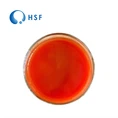
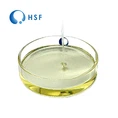
HSF Biotech Company specializes in manufacturing a range of eye care raw materials such as Lutein, Zeaxanthin, beta-carotene, Tocopherol (Vitamin E), and Astaxanthin that are designed to promote eye health and can be widely applied in various products. With different specifications available, these raw materials are formulated to effectively achieve the desired eye protection effects.
The eye care raw materials produced by HSF Company undergo rigorous quality control measures to ensure their safety, efficacy, and compatibility with different applications. These materials are carefully selected for their unique properties that contribute to maintaining and enhancing eye health.
HSF's eye care raw materials can be incorporated into a wide range of products, including but not limited to eye drops, contact lens solutions, skincare products, and dietary supplements. The versatility of these materials allows them to address various eye-related concerns such as dryness, fatigue, inflammation, and oxidative stress.

HSF Biotch Company offers Lutein, Zeaxanthin, beta-carotene, Tocopherol (Vitamin E), and Astaxanthin a comprehensive range of eye care raw materials with diverse specifications that can be widely applied across various products. These materials are specifically formulated to deliver effective eye protection and promote overall eye health. With HSF's dedication to quality and innovation, their eye care raw materials are trusted by manufacturers seeking to create high-quality products that prioritize eye wellness.