


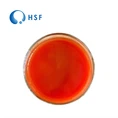

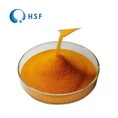
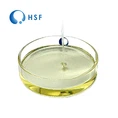
Inulin, also known as chicory root extract or chicory inulin, is a type of plant-derived storage polysaccharide and a non-digestible carbohydrate. It is widely distributed in plant tissues and serves as an alternative energy storage form to starch.
Inulin is a natural fructan polymer and belongs to the category of non-digestible carbohydrates. It is a high-quality natural water-soluble dietary fiber and prebiotic. It has a certain level of sweetness, and low-calorie content, and can easily form a gel when combined with water. It possesses various physiological functions such as lowering blood sugar and blood lipid levels, regulating intestinal flora, enhancing gastrointestinal function, and promoting the absorption of vitamins and trace elements.
Inulin has been recognized as GRAS (Generally Recognized as Safe) by the U.S. Food and Drug Administration (FDA) and approved in China as a new resource of food. It is widely used in the fields of food, feed, and health products.
Inulin has nutritional and health benefits, as well as excellent application performance. It is a high-quality multifunctional natural food ingredient. It is extensively applied in various foods such as dairy products, baked goods, and beverages to enhance their health benefits, and improve their texture, and taste. In the future, inulin's application in the food industry will become even more widespread, with its forms of application and types of food diversifying.

Source of Inulin
Inulin can be found in many monocotyledonous and dicotyledonous plants, such as the lily family, Amaryllidaceae, Asteraceae, and Poaceae. Some species, like chicory, Jerusalem artichoke (sunchoke), garlic, chives, asparagus, and onion, are commonly consumed as vegetables. Inulin is typically stored in organs such as bulbs, tubers, and rhizomes of plants in the lily family, Amaryllidaceae, and Asteraceae.
Due to its high content and low interference from other components, it is relatively easy to extract. Currently, the roots or tubers of chicory (Cichorium intybus L.) and Jerusalem artichoke (Helianthus tuberosus L.) from the Asteraceae family are the two main sources for industrial-scale production of inulin. The inulin content in these plants can reach 15% to 21% (fresh weight).

The physiological functions of inulin
The physiological functions of inulin include regulating the structure of the intestinal microbiota. It is a high-quality water-soluble dietary fiber that exhibits excellent prebiotic effects. In the human body, inulin is not hydrolyzed by digestive enzymes and cannot be absorbed in the small intestine.
However, in the colon, it is selectively utilized and fermented by beneficial microorganisms such as bifidobacteria and lactobacilli, leading to the production of short-chain fatty acids (SCFAs) such as acetate, propionate, and butyrate, as well as organic acids such as lactic acid. Inulin increases the acidity of the intestinal environment, promoting the growth and vitality of beneficial bacteria. This helps increase the relative abundance of beneficial bacteria while inhibiting the proliferation of harmful bacteria. As a result, the structure of the intestinal microbiota is improved, reducing the production of toxic substances and maintaining a healthy gut environment.

Regulating blood sugar levels
Inulin is not hydrolyzed into monosaccharides for absorption in the small intestine, which means it does not cause an increase in blood sugar levels or insulin secretion. It serves as a healthy sugar source. In the colon, the fermentation of inulin produces short-chain fatty acids that promote hepatic glycogen synthesis and inhibit gluconeogenesis, leading to a decrease in blood sugar levels. Additionally, inulin solutions have a high viscosity and can even form gels at high concentrations. This increases the thickness of the intestinal mucosa, reducing the contact between food and digestive fluids and slowing down carbohydrate hydrolysis, resulting in slower absorption of glucose and better control of postprandial blood sugar levels.

Lowering blood lipid levels
Inulin can form fat-dietary fiber complexes with fats, which are then excreted in the feces, reducing the absorption of fats by the body and helping to lower blood lipid levels. In addition, inulin can also reduce cholesterol and triglyceride levels in the blood. Short-chain fatty acids produced through the fermentation of inulin play an important role in this process. Propionate, in particular, can inhibit the synthesis of cholesterol and triglycerides in the liver, and increase the synthesis and secretion of bile acids, thereby lowering blood lipid levels.

Promoting mineral absorption
In the colon, inulin fermentation produces short-chain fatty acids and other organic acids, which lower the pH value of the intestine. This leads to the breakdown of mineral complexes, facilitating the release of mineral elements and increasing their solubility, making them more easily absorbed by the human body. Inulin significantly enhances the absorption of mineral elements such as Ca2+, Mg2+, Cu2+, and Fe2+.

Application of inulin in food
Inulin has multiple beneficial health effects and excellent processing properties, and it is widely used in the processing of dairy products, bakery products, meat products, and beverages as a dietary fiber, prebiotic, fat and sugar substitute, as well as an improver of texture and taste.
Application in dairy products
Various dairy products such as liquid milk, powdered milk, yogurt, and cheese are ideal food systems for the application of inulin and were among the earliest food categories where inulin was used. Inulin can increase the dietary fiber and prebiotic content in dairy products. When mixed with water, it forms a creamy structure with a smooth and delicate texture. It can partially replace fats to reduce fat content while enhancing the texture, flavor, and mouthfeel of dairy products. Additionally, inulin can also promote calcium absorption in dairy products. Adding inulin to fermented milk or yogurt production can protect and promote the growth of beneficial bacteria, such as thermophilic streptococci, lactobacilli, or bifidobacteria, delaying the decrease in viable probiotic counts during storage. It can also reduce whey separation, and increase viscosity and water-holding capacity, thereby improving product quality.

Application in bakery products
Inulin has powder properties similar to flour and possesses good water solubility, gelling ability, and heat stability, making it suitable for various bakery product formulations to improve their characteristics and quality. Inulin can increase the dough formation time, improve its stability, promote the fermentation process, and reduce the negative effects of freezing on the dough.

Application in meat products
Meat products are rich in nutrients but often lack dietary fiber and have high fat content, which can be detrimental to human health. Inulin is commonly used in the processing of meat products as a fat replacer to reduce fat content and increase dietary fiber content. Simultaneously, it improves the texture, enhances the flavor, and improves the sensory characteristics of the meat products.

Application in beverages
Inulin is readily soluble in water, making it suitable for adding to various beverages to improve their texture, flavor, and mouthfeel while imparting multiple beneficial functions to the drinks. Adding inulin to plant-based protein beverages can increase thickness, mask bitterness and other undesirable tastes, enhance smoothness, and intensify flavor, while also providing dietary fiber functionality and prebiotic effects.

HSF Biotech Inulin
HSF Biotech Company is a renowned producer of inulin, a versatile dietary fiber with wide-ranging applications in the food industry. With a commitment to innovation and quality, HSF has become a trusted supplier for food manufacturers seeking to enhance their products' nutritional profile while improving texture, flavor, and overall consumer appeal.
At HSF Biotech, the production of inulin involves extracting the naturally occurring polysaccharide from chicory roots. The roots are carefully selected, cleaned, and processed to obtain the highest quality inulin. Through advanced extraction techniques, HSF ensures that the resulting inulin retains its beneficial properties and meets the strictest quality standards. By choosing HSF, food companies can rely on a trusted partner committed to delivering high-quality inulin for their specific formulation requirements.
Want to get FREE SAMPLES, please contact our specialists at sales@healthfulbio.com.