


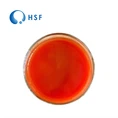

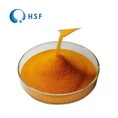
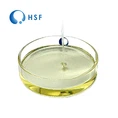
Coenzyme Q10, also known as ubiquinone, is a lipid-soluble quinone compound. It is referred to as vitamin Q or vitamin coenzyme Q10 due to its presence in human organs and its important physiological functions. Coenzyme Q10 is associated with the inner mitochondrial membrane and acts as a coenzyme in the respiratory chain, serving as a carrier. Additionally, its quinone structure and side chain isoprenyl group enable it to serve as an important hydrogen carrier in the respiratory chain, a crucial element in cellular energy production. It possesses antioxidant properties, controls the flow of oxygen within cells, and plays a significant role in various physiological functions.
Coenzyme Q10 is found in high concentrations in organs such as the liver, heart, kidneys, and pancreas. In the biosynthetic pathway of coenzyme Q10 from tyrosine in cells, at least 7 vitamins (B2, B3, B6, folate, B12, C, and pantothenic acid) and several trace elements are required for its synthesis. Deficiencies in these vitamins and trace elements can lead to insufficient levels of coenzyme Q10. Coenzyme Q10 is primarily found in food sources such as organ meats (heart, liver, kidneys), beef, soybean oil, sardines, mackerel, and peanuts. Consuming 500g of sardines, 1000g of beef, or 1250g of peanuts can provide approximately 30mg of coenzyme Q10 to the body. Therefore, it is not realistic to reach the therapeutic dosage for heart disease (50-150mg) solely through dietary intake of coenzyme Q10. The exact proportion of coenzyme Q10 derived from biosynthesis and dietary intake in the human body remains unknown, although Folkers suggested that endogenous biosynthesis is the primary source. The deficiency of coenzyme Q10 may arise from inadequate dietary intake, disturbances in biosynthesis, excessive bodily consumption, or a combination of these factors. Conditions such as excessive fatigue, metabolic hyperactivity, or acute shock can lead to accelerated depletion of coenzyme Q10 in the body. Additionally, a deficiency of coenzyme Q10 can occur when it is utilized by the body as a free radical scavenger.

Health care function of coenzyme Q10
1. Maintaining arterial health
Coenzyme Q10 can eliminate free radicals and prevent the peroxidation of lipids and proteins through the transformation between its oxidized form (CoQ10) and reduced form (CoQ10H2). Currently, research on the antioxidant effects of coenzyme Q10 mostly focuses on its relationship with oxidative stress-related diseases. However, the role of coenzyme Q10 in inhibiting the formation and progression of atherosclerosis is also a hot research topic. Population surveys have found that plasma levels of CoQ10H2 are lower in patients with hyperlipidemia, atherosclerosis, and individuals at high risk of developing atherosclerosis compared to the normal population.
Coenzyme Q10 has four main characteristics in preventing LDL oxidation in the body: (1) Unlike water-soluble antioxidants, coenzyme Q10 can interact with lipoproteins and has site-specific antioxidant effects, protecting both lipids and protein components; (2) CoQ10H2 can inhibit LDL lipid peroxidation under different oxidative stress conditions (strong or relatively mild); (3) CoQ10H2 is a first-line lipid-soluble antioxidant in lipoproteins and plasma, capable of inhibiting the effects of various oxidative inducers, including hypochlorite, lipoxidase, and transition metals; (4) CoQ10H2 has strong antioxidant capacity, and one molecule of CoQ10H2 can terminate 1-2 free radicals generated in a free radical chain reaction, effectively halting the free radical chain reaction.
2. Coenzyme Q10 has a synergistic effect with vitamin E (Tocopherol)
It is more potent than vitamin E, beta-carotene, and lycopene in preventing LDL oxidation. While vitamin E is the primary substance for preventing lipid oxidation in the body, under different conditions, vitamin E can paradoxically accelerate lipid oxidation. Coenzyme Q10 can prevent this phenomenon. Coenzyme Q10 also acts as a booster for vitamin E. It converts vitamin E into a stable state, preventing further lipid oxidation. Therefore, coenzyme Q10 is an essential component for vitamin E to exert its antioxidant effects. Coenzyme Q10, similar to vitamin C, possesses the ability to regenerate the activity of vitamin E and is the only naturally occurring lipid-soluble antioxidant that can be regenerated (converted into its active form) in the human body.

3. Coenzyme Q10 is an essential part of the immune system
When the level of coenzyme Q10 increases in the body, the immune system can receive more support from antibiotics and antiviral medications. However, antibiotics cannot aid in the reconstruction of the immune system. On the other hand, coenzyme Q10 can naturally stimulate the immune system, resulting in a wider range of benefits and protective effects.
4. Coenzyme Q10 has anti-aging properties
The content of coenzyme Q10 in human organs reaches its peak at the age of 20 and then rapidly decreases. The decrease in coenzyme Q10 concentration is especially prominent in the heart. In a 77-year-old individual, the coenzyme Q10 in the myocardium is reduced by 57% compared to a young person in their 20s. Some experts studying coenzyme Q10 believe that as people age, they are more likely to be deficient in coenzyme Q10 and can benefit from supplementation. Animal experiments have shown that supplementing with coenzyme Q10 can extend the lifespan of mice by 50%.
The anti-aging effects of coenzyme Q10 mainly stem from three aspects: (1) Coenzyme Q10 is a potential antioxidant that protects organs and tissues by its antioxidant function. (2) It provides support to the heart. Like all other muscles, the myocardium requires more energy for contraction. Coenzyme Q10 serves as a cellular energy igniter, assisting in energy production in the heart muscle, thereby increasing physical activity capacity and endurance. (3) It plays a protective and propelling role in the brain. Coenzyme Q10 essentially acts as a brain booster, aiding in brain protection, resisting aging, and associated severe brain diseases. A decrease in coenzyme Q10 leads to reduced mitochondrial energy, coupled with attacks from numerous free radicals, resulting in intellectual decline, memory loss, motor disorders, and the development of degenerative brain diseases.

HSF Biotech Company manufacture coenzyme Q10 Powder and vitamin E (Tocopherol)
HSF Biotech Company specializes in the production of Coenzyme Q10 Powder and Tocopherol (Vitamin E) which can offer a wide range of specifications to meet various requirements.
Coenzyme Q10, also known as CoQ10, is a vital compound that plays a crucial role in energy production within cells. It acts as an antioxidant, protecting organs and tissues from oxidative stress. With HSF Biotech's advanced production facilities and strict quality control measures, we ensure the highest purity and potency of Coenzyme Q10 in products.
Tocopherol, or Vitamin E, is a powerful antioxidant that helps protect cells from damage caused by free radicals. It has various health benefits and is widely used in the cosmetic, pharmaceutical, and food industries. HSF Biotech CompanyTocopherol products are carefully produced to maintain their stability and effectiveness, ensuring optimal results in different applications.
We pride ourselves on providing products with consistent quality and reliable performance. Our Coenzyme Q10 and Tocopherol are widely used in various fields, including pharmaceuticals, cosmetics, dietary supplements, and food additives. Whether you need these compounds for anti-aging formulations, cardiovascular support, or antioxidant-rich products, we have the right specifications to meet your specific needs.
Please feel free to contact us for more information about our Coenzyme Q10 and Tocopherol products. We are committed to delivering exceptional quality and service to our customers in every industry we serve.

Want to get FREE SAMPLES, please contact our specialists at sales@healthfulbio.com.