


Steroids are an important class of natural organic compounds that widely exist in biological tissues. Sex hormones, adrenal corticosteroids, alcohols, bile acids, cardiotonic, soaps, and alkaloids all belong to this category. The common feature of steroids in structure is that they all contain cycloalkene and phenanthrene nuclei with different degrees of hydrogenation, and steroids have become an attractive class of components in the medical and pharmaceutical industries.
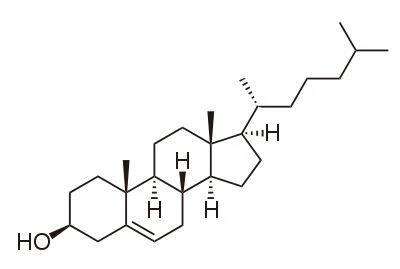
Sterols are a class of steroids widely present in nature, which are saturated or unsaturated secondary alcohols. Sterols are present in animal or vegetable fats and oils, either in the form of higher fatty acid esters in animals, or in plant tissues in the form of glycosides. Sterols can generally be classified according to their source: sterols from animals are called animal alcohols; sterols from plants are called phytosterols. The former such as cholesterol, cholane, fecal stanol, etc.; the latter such as ergosterol, stigmasterol and so on. Cholesterol is not only an important structural component of cell plasma membrane, but also has important physiological functions; stigmasterol can play a role in preventing and treating cardiovascular diseases such as hypertension and coronary heart disease and anti-oxidation; vitamin D is a kind of anti-rickets. Valuable vitamins are important for bone formation.