


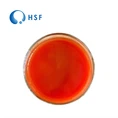

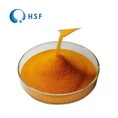
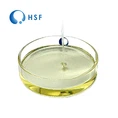
Medium-chain triglycerides (MCT) refer to saturated fatty acids with a carbon chain length of 6 to 12. They are naturally abundant in coconut oil but are present in minimal amounts in other natural foods. MCT has a caloric value of 34.73 kJ (8.3 kcal)/g, making it a high-energy food. It is colorless, odorless, and non-irritating at room temperature, with low viscosity and lower density compared to typical vegetable oils. MCT exhibits excellent stability and antioxidant properties, remaining stable even at extremely high or low temperatures.
MCT, when ingested, is broken down by lipase in the stomach and duodenum into glycerol and medium-chain fatty acids (MCFA). MCT has good water solubility and does not require bile emulsification in the small intestine. Its hydrolysis rate is six times that of long-chain triglycerides (LCT). It is then absorbed in the form of glycerol and MCFA by the epithelial cells on the small intestine mucosa and is directly transported into the portal vein through the small intestine capillaries, where it quickly transfers to the liver.

Characteristics of medium-chain triglycerides (MCT) metabolism in the body
MCT undergoes rapid oxidation and conversion in the liver at a rate similar to glucose. The oxidation takes place in the mitochondria, and unlike LCT, it does not rely on carnitine as a carrier to cross the mitochondrial membrane, resulting in a faster oxidation rate compared to LCT. MCT also exhibits a higher level of ketogenesis during metabolism. There are three main metabolic pathways for dietary MCT within the body:
1. Oxidative breakdown: Approximately 50% of ingested MCT is oxidized, primarily through β-oxidation, ω-oxidation, ω-2 oxidation, and ω-1 hydroxylation. It is eventually excreted in various forms such as 3-, 6-, and 7-hydroxyoctanoic acid in urine.
2. Storage as triglycerides in the heart and liver.
3. Conversion into long-chain fatty acids.

The effects of medium-chain triglycerides (MCT) on the metabolism of major nutrients
1. Impact on carbohydrate metabolism: The influence of MCT on carbohydrate metabolism is often dependent on the concentration of MCT provided and the length of the fatty acid chains. When high concentrations of MCT are given, blood glucose levels can decrease by around 8%, which can be attributed to a mild reduction in gluconeogenesis (glucose production) or an increase in glucose intake.
Researchers used isolated mouse islet models to determine the effect of different concentrations of MCT on insulin secretion. The results showed that at a concentration of 5mmol/MCFA, C6 (caproic acid) had no effect on insulin secretion, C8 (caprylic acid) had a mild stimulating effect, while C10 and C12 (capric acid and lauric acid) significantly stimulated basal insulin secretion. The experimental findings suggest that the insulin-stimulating effect of MCT increases with the lengthening of the carbon chain, but the mechanism by which MCFA stimulates insulin secretion is not yet clear. Some speculate that it may be due to: (1) Fatty acids blocking the glucose transporter for insulin, (2) Direct stimulation of pancreatic β-cells by fatty acids, or (3) Ketosis. The ketosis induced by the rapid oxidation of MCFA can provide partial energy to peripheral tissues while reducing the output of lactate and acetoacetate in the lactate and alanine-glucose cycles.
2. The effect of medium-chain triglycerides (MCT) on fat metabolism is complex. MCT has been shown to increase plasma total cholesterol (TC) and low-density lipoprotein cholesterol (LDL-C) levels to a similar extent as palmitic acid (16:0) and significantly higher than oleic acid (16:1) . A study conducted on rats found that MCT had a stronger effect on hepatic triglyceride synthesis compared to n-3 polyunsaturated fatty acids, which is an important factor influencing plasma triglyceride (TG) levels. However, there is also evidence suggesting that MCT may have favorable effects on lipid metabolism. Research results indicate that MCT can alleviate type I hyperlipidemia caused by lipoprotein lipase deficiency. One case report showed that a low-fat low-energy diet (5,857.6 KJ/d, 10g/d fat) was ineffective for treatment, but the addition of 30g of MCT per day reduced the patient's TG levels from 10g/L to 2.5g/L. The possible mechanism behind this is that MCT regulates lipoproteins rich in triglycerides, thereby increasing TG clearance.

Medium-chain triglycerides (MCT) have various applications in the fields of nutrition and medicine
In terms of nutrition, the majority of MCTs are oxidized for energy in the human body and are seldom stored as fat, making them beneficial for weight loss in obese individuals. MCTs are used as a substitute for fats in a wide range of products such as cakes, ice cream, and chocolates. Many countries in Europe and America have included MCTs in the diets of obese patients and have achieved positive therapeutic effects. MCTs can be used as emulsifiers, stabilizers, and lubricants in emulsified dairy products and beverages. When combined with other emulsifiers, they exhibit excellent solubility, stability, and antioxidant properties without imparting a greasy sensation.
MCT are also used as solvents in pharmaceuticals due to their excellent antioxidant properties, solubility, low viscosity, and low freezing point. Pharmaceutical compounds utilizing MCTs have been found to promote absorption in the intestines, particularly for fat-soluble vitamin E. One important medical application of MCT is their use as a source of effective energy for patients with intestinal malabsorption disorders, inadequate nutrient absorption after surgery, or impaired digestion and absorption of fats due to pancreatic or liver diseases where there is insufficient secretion of lipase and bile acids.

Medium-chain triglycerides (MCTs) have applications in providing energy during exercise
When MCTs are broken down into medium-chain fatty acids, these fatty acids undergo oxidation to form acyl-CoA. This process is then followed by beta-oxidation, which provides readily available energy. Additionally, MCTs can reduce ammonia output, indicating a decrease in protein breakdown and a rise in blood glucose concentration. MCTs may contribute to a reduction in blood glucose oxidation and a decrease in glycogen utilization. Moreover, the oxidation of MCTs produces a significant amount of ketone bodies, which can serve as an energy source for tissues that depend on glucose, thus reducing glucose consumption. This, in turn, promotes the oxidation of long-chain triglycerides for energy production. Research suggests that when combined with carbohydrates, MCTs can prolong the release of energy, effectively meeting the energy requirements of athletes during prolonged exercise.
Therefore, MCTs have been shown to play a role in providing sustained energy during exercise, working in conjunction with carbohydrates to meet the energy demands of athletes over an extended duration.

HSF Biotech Supplier MCT Oil and MCT Powder
HSF Biotech Company can supply bulk medium-chain triglyceride (MCT) oil, which can be processed into MCT powder. MCT have been widely used in the fields of medicine, cosmetics, and nutrition as well as sports supplements.
In medicine, MCT are known to promote fat absorption in individuals with fat malabsorption disorders. In cosmetics, MCT are used as an ingredient in moisturizers, lotions, and hair care products due to their emollient properties. In the food and nutrition industry, MCT are used as a fat substitute in various products such as baked goods, salad dressings, and nutritional drinks. MCT have been demonstrated to aid in weight loss and management, improve cognitive function, and increase energy levels. In sports supplements, MCT are utilized as an energy source during prolonged exercise, allowing athletes to maintain performance and endurance.
HSF's supply of MCT oil and powder meets the high standards required by the aforementioned industries. Their quality assurance ensures that their products are free from impurities and contaminants, making them a reliable choice for consumers and manufacturers alike.
Want to get FREE SAMPLES, please contact our specialists at sales@healthfulbio.com.