




The current market situation of natural pigments
In recent years, the demand for natural pigments has significantly increased due to concerns about the safety and health risks associated with synthetic food colorants. Natural pigments are obtained from plants, animals, and minerals and are generally considered safe and healthy additives for the food industry. As a result, the market for natural pigments has expanded rapidly.
One of the main drivers of the growth in demand for natural pigments is the increasing number of consumers who are concerned about their health and the environment. The types of natural pigments currently in demand include those derived from turmeric, beetroot, spirulina, and anthocyanins from fruits such as grape, blackcurrant, and elderberry.
In addition to rising consumer awareness, the natural pigment market is also driven by regulations. Many countries have introduced stricter regulations on synthetic food colorants, which has augmented the demand for natural alternatives. For instance, the European Union has imposed strict limits on the use of synthetic colors in food.
The food and beverage industry is the primary user of natural pigments. The natural pigment market caters to the food and beverage industry, pharmaceutical, cosmetic, and textile industries. Many food and beverage companies are beginning to rely more on natural pigments in their manufacturing processes since they are keen on meeting the demands of consumers and complying with regulations. The trend of using natural pigments is expected to continue since the market for health and wellness products is projected to increase in the coming years.

Application of Natural Color
Natural colors, also known as natural colorants, are widely used in the food, cosmetics, and pharmaceutical industries. These pigments are derived from natural sources such as fruits, vegetables, and plants. The use of natural pigments in food has gained more popularity in recent years, since they offer a natural and healthier alternative to synthetic colorants.
The use of natural pigments in food is becoming increasingly important due to concerns over the harmful effects of synthetic colorants. These pigments are not only safe but also provide benefits such as improved taste and nutritional value. Some examples of natural pigments include beta-carotene from carrots, lycopene from tomatoes, and anthocyanins from blackberries.
In addition to the food industry, natural pigments have also found application in cosmetics. They are used in lipsticks, blushers, and other makeup products as they are non-toxic and do not cause skin irritation. Natural pigments are also used in the pharmaceutical industry as they provide color to tablets and capsules, making them easier to identify and distinguish.

Natural Colors are Highly Popular
Due to their wide availability, low cost, and sustainability. They are used in a variety of applications such as food, cosmetics, and textiles. Natural pigments are derived from natural sources such as plants, fruits, vegetables, and minerals.
One of the advantages of using natural pigments is that they are less harmful to the environment compared to synthetic pigments. Synthetic pigments often contain heavy metals, which can be harmful to human health and the environment during production and disposal. Natural pigments, on the other hand, are biodegradable and pose little to no harm to the environment.
Furthermore, natural pigments offer health benefits as well. Many natural pigments contain antioxidants and other beneficial compounds that can improve overall health. For example, carotenoids found in fruits and vegetables have been linked to reducing the risk of chronic diseases such as cancer and heart disease.
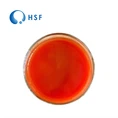
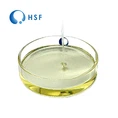
Under the trend of food health and functionality, HSF Biotch has seized the market demand and successfully launched a series of naturally fermented colorants that combine color and functionality. The company has launched NutraColor™ natural pigments such as Beta-carotene, Lycopene, Lutein, and Curcumin, expanding the market's choice.
Fermented Beta -carotene can microbes break down the carotenoids in carrots into compounds that are more readily absorbed by the human body. This makes fermented carrots a more effective source of vitamin A, which is essential for good eyesight, healthy skin, and a strong immune system.
Lycopene has been widely studied for its antioxidant properties and potential health benefits. , Fermenting Lycopene is a simple and effective way to increase the bioavailability of lycopene and other beneficial compounds. It is a natural and healthy way to improve digestion and boost immunity.

HSF Biotech manufacture to start with high-quality produce and a clean, sterile environment.
Fermenting Beta-carotene and lycopene respectively can enhance their nutritional value and health benefits. Incorporating fermented vegetables into your diet is a great way to support your overall health and well-being.

The current market situation for natural pigments is very promising as consumers become more health conscious and environmentally aware. With stricter regulations on synthetic food colorants worldwide and an increasing preference for natural products in all sectors, the demand for natural pigments looks set to continue its growth trajectory. Natural pigments are a great alternative to synthetic pigments due to their sustainability, lower environmental impact, and potential health benefits.
Want to get FREE SAMPLES, please contact our specialists at sales@healthfulbio.com.