



Blog
-

31
Dec
How To And When To Take Biotin?Biotin Crystalloid is a water-soluble vitamin and an essential substance for the synthesis of vitamin C. It is also an indispensable substance for the normal metabolism of fat and protein. Biotin is a
Read More -

31
Dec
How Does Camellia Seed Oil Benefit Your Skin?Camellia Seed Oil is derived from the seeds of the Camellia Oleifera tree. There are many skin care products related to camellia oil on the market. Ancient Chinese medicine regarded tea seed oil as a
Read More -
31
Dec
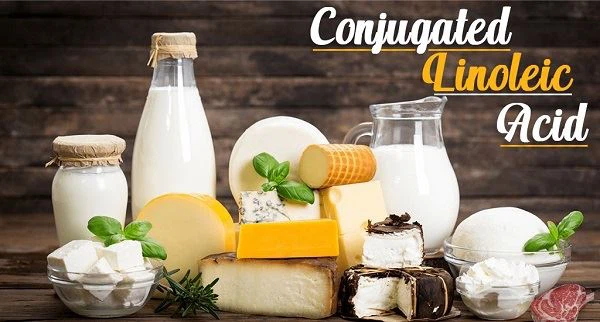
Conjugated Linoleic Acid: A Miraculous NutrientConjugated linoleic acid is an essential fatty acid for humans and animals. At the same time, it is also unable to synthesize a substance with significant pharmacological effects and nutritional valu
Read More -

29
Dec
How Much Lycopene Can You Take Daily?Lycopene is a type of carotenoid, or plant-based pigment, that gives tomatoes, pink grapefruit and watermelon their red color. Your body converts some carotenoids to retinol, a form of vitamin A. Lyco
Read More -

29
Dec
Why Is Lycopene Bad For You?Lycopene is a carotenoid − a natural pigment that gives some vegetables and fruits their red color. It is an antioxidant (a substance that protects against cell damage). Tomatoes provide about 80% of
Read More -

28
Dec
Is Beta-Carotene Vitamin A?Simply put, carotene is a yellow or red pigment. It is abundant in dark green and yellow vegetables and fruits. And it is also in milk, egg yolks, and body fat. Common carotenes are α, β, γ and δ. The
Read More -

28
Dec
What Is Lycopene Used For?Lycopene is a natural compound that is found in bright red fruits and vegetables like tomatoes, watermelon, and grapefruit. Lycopene is a carotenoid, which are yellow, orange, or red pigments that giv
Read More -

23
Dec
Why Do You Use Liposomal vitamin C?Liposomal vitamin C possesses water-soluble and fat-soluble properties. It can wrap and protect the active ingredients of vitamin C, safely transport it to the bloodstream, and finally reach the most
Read More -

22
Dec
What Is The Difference Between Traditional and Liposomal Vitamin C?The main differences between liposomal Vitamin C and traditional Vitamin C have to do with their bioavailability. Because traditional Vitamin C is soluble in water, its bioavailability is very low. On
Read More -

22
Dec
What Are Liposomes?The characteristics of liposome technology have improved the multiple applications of many products that are difficult to dissolve and not easy to store, improve bioavailability, stability, enhance pr
Read More -

21
Dec
Is Liposomal Vitamin C Better Than Vitamin C?Liposomal Vitamin C is a more potent form of vitamin C for maximum absorption and optimal immune support. Liposomal Vitamin C comes in liquid form, which is then encapsulated into nanosized micelles.
Read More -

21
Dec
How Does Liposomal Vitamin C Work?As the absorption rate of Liposomal Vitamin C may be relatively high, it will benefit people who lack these vitamin C. So do you know why liposome vitamin C is better for absorption? This article will
Read More