


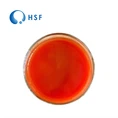

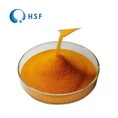
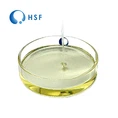
Lycopene is mainly found in the ripe fruits of tomatoes of the Solanaceae family, but also in watermelons, grapes and other fruits and vegetables. Research shows that lycopene is the most concentrated carotenoid in various tissues and organs of the human body, accounting for about 50% of the carotenoids in human serum, and is easily absorbed, metabolized and utilized by the body.
 |
 |
Lycopene cannot be synthesized by the human body and must be obtained through diet and other supplements. Lycopene can be added to food as a pigment, nutritional enhancer and other ingredients to realize its nutritional and health value. As a food ingredient, lycopene can be applied to a wider range of food and beverage products such as jam, juice, dairy products, meat products, baked goods, candies, meal replacement foods, etc. The production and development of lycopene has received increasing attention. As a phytochemical, its superior antioxidant properties have attracted widespread attention. It has been developed and applied as an antioxidant and has unlimited development potential.
Application of lycopene
1. Application of lycopene in food
Lycopene has a variety of physiological functions. The Food and Agriculture Organization (FAO) and the World Health Organization (WHO) have included it in the list of food additives. Its physiological functions such as antioxidant, prevention of cardiovascular disease and immunity enhancement are significant and widely used. in the food industry.
- Health food for antioxidant and anti-aging
The harmful attack of free radicals on cellular components is one of the main factors causing human aging, and maintaining appropriate levels of antioxidants and free radical scavengers in the body can extend lifespan and delay aging. Lycopene is one of the powerful antioxidants found in nature. Its excellent antioxidant capacity can not only efficiently quench singlet oxygen but also effectively scavenge peroxidative free radicals, enhance antioxidant enzyme activity, and prevent protein and DNA from being oxidized. damage, thereby delaying aging. Scholars studied the concentrations of lycopene, a-tocopherol, and 8-carotene in the plasma of different groups of people and found that the level of lycopene in the plasma decreased significantly with age, while other indicators remained the same or increased.
 |
 |
- Health food for boosting immunity
Lycopene can activate immune cells and enhance immune activity, thus resisting the occurrence of various diseases. Lycopene can protect phagocytes from their own oxidative damage, enhance giant cells and T cells to kill tumor cells, and reduce oxidative damage to lymphocyte DNA. Lycopene can promote the secretion of interleukin 2 (IL-2) and interleukin 4 (IL-4) and improve human immunity. In addition, lycopene may have anti-aging, anti-inflammatory and anti-coagulant physiological functions. The latest research confirms that lycopene can significantly reduce the secretion of inflammatory mediator NO and pro-inflammatory factor IL-6 in macrophages, inhibit inflammatory responses, protect the body from damage and enhance immune activity.
 |
 |
- Health food for skin protection
Lycopene can reduce skin damage from radiation or ultraviolet rays. Studies have shown that when ultraviolet rays irradiate the skin, the lycopene in the skin is destroyed first, and the lycopene in the skin is reduced by 31% to 46% compared with the skin without ultraviolet irradiation, while β-carotene does not change much, indicating that lycopene It has a strong effect in reducing oxidative damage to tissues.
 |
 |
2. Application in functional drinks
Functional beverages mainly exert the anti-fatigue physiological function of lycopene. The mechanism of action is that lycopene can eliminate peroxyl free radicals produced by exercise, thereby delaying the occurrence of fatigue and restoring fatigue after exercise. This feature can provide drinks with healthy nutritional functions for specific groups of people (such as athletes).
 |
 |
3. Application in meat products
Lycopene is a natural pigment with antioxidant properties. It can not only ensure food safety, but also can be used as a new antiseptic and preservative and pigment to replace nitrite. It is widely used in the meat product processing industry. Adding lycopene to the meat filling for making sausages, adding 20g of tomato peel per kg can significantly reduce the oxidation level of the sausage, indicating that lycopene can effectively slow down the oxidation reaction and improve the sensory quality and quality of the product. It can also improve consumers' acceptance of the taste and color of sausages, indicating that lycopene is feasible as an antioxidant preservative and colorant in processed meat products. In addition, products rich in lycopene are acidic, which will reduce the PH value of meat and inhibit the growth of spoilage microorganisms to a certain extent. It can be seen that lycopene partially replaces nitrite and has the functions It has the dual functions of meat processing pigment and antioxidant preservative.
 |
 |
4. Application in edible oil
Lycopene can be added to edible oil as a natural antioxidant to make functional oils. Because of its functions of scavenging peroxidative free radicals, inhibiting lipid peroxidation and quenching singlet oxygen, it can slow down the rancidity of oils. The researchers explored the stability of lycopene in different varieties of edible oils, its impact on the oxidative stability of edible soybean oil, and the mechanism of lycopene's anti-oil oxidation action. This article provides a reference for improving oil stability, improving oil quality, configuring and producing functional oils, and developing antioxidant preparations. It also points out that adding lycopene as an antioxidant to edible oil is an effective method to slow down the oxidation of oils.
 |
 |
Fermented Lycopene oil/powder from HSF Biotech
The preparation of lycopene mainly includes plant extraction, chemical synthesis, and microbial fermentation. Microbial fermentation method has obvious advantages in the current lycopene production due to its low cost and high yield.
 |
 |
HSF's fermented lycopene uses Boulardella trispora, a strain with superior performance, whose metabolic process can produce natural beta-carotene and lycopene. Our company uses advanced fermentation technology and equipment to ensure the stability and controllability of the fermentation process. We also optimized the fermentation medium and used a special medium containing starch phosphates, which helps increase lycopene production. At the same time, we also use specific regulators to control the pH value of the fermentation system to ensure that the fermentation process proceeds under optimal conditions.
In terms of product quality, HSF's lycopene has high purity and good stability. We use advanced extraction and purification technology to ensure that the lycopene content in our products reaches high standards. At the same time, we also conduct strict quality testing and control on our products to ensure that each batch of products meets quality standards.
For more details, please contact :
Email: sales@healthfulbio.com
Whatsapp: +86 18992720900