



As the number of obese people continues to increase worldwide, sugar reduction and sugar control have become one of people's most urgent health needs. Sugar substitutes have become a substitute for sugar due to their low energy and high sweetness and are widely used in food processing.
Sugar substitutes are mainly divided into three categories: sugar alcohols, natural sweeteners, and artificial sweeteners.
Natural sweeteners are sweet ingredients extracted from plants, grains, fruits, vegetables, and other organisms. They mainly include steviol glycosides, glycyrrhizin, sweet tea glycosides, mogroside, and thaumatin.
Synthetic sweeteners are sweet compounds synthesized by chemical methods. They have high sweetness, stable properties, low energy, and do not participate in metabolism. Allowed artificial sweeteners include dipeptides such as aspartame, neotame, and alitame; sulfonamides such as cyclamate, acesulfame potassium, and saccharin sodium; and sucrose derivatives such as sucralose.
 |
 |
Advantages of sugar substitutes
Low calorie
Natural sugars such as sucrose, glucose, and fructose have a caloric value of 16.74 kJ·g−1. Common sugar substitutes on the market have the characteristics of providing no or only very few calories and high sweetness. "Scientific Consensus on Food Sweeteners (2022)" states that cyclamate, acesulfame potassium, saccharin sodium, sucralose, and steviol glycosides produce almost zero calories. Aspartame produces 12.56~16.74 kJ of heat per gram, but its sweetness is 200 times that of sucrose. At the same sweetness, the dosage is very small and the heat generated is negligible. Sugar alcohols generate 6.70~10.88 kJ of heat per gram, of which erythritol only generates 0.879 kJ of heat per gram. However, they hardly participate in metabolism after entering the human body, and the heat absorbed by the body is extremely low.
 |
 |
Improve the sensory properties of beverages
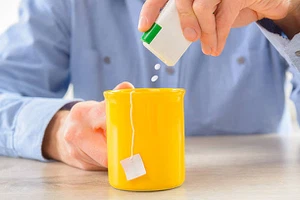
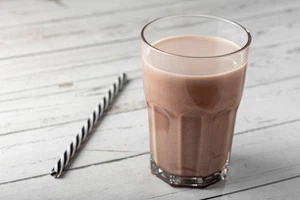
Some sugar substitutes can not only replace the sweetness of sucrose but also add flavor to specific drinks and improve the sensory properties of drinks. Adding acesulfame potassium, steviol glycosides, and microsites to black tea and original yogurt respectively, compared with adding sucrose, can highlight the original bitter taste of black tea and reduce the sweetness stimulation of yogurt; adding steviol glycosides and microsites to black tea and original yogurt respectively. In chocolate milk, the original bitter taste of chocolate can be stimulated. Adding mogroside to probiotic yogurt can significantly increase the content of Lactobacillus casei and Lactobacillus bulgaricus and obtain higher sensory attribute scores.
 |
 |
Does not cause dental caries
Excessive intake of sugary drinks is one of the risk factors for dental caries, and most sugar substitutes cannot be effectively used by oral bacteria and produce less acid by-products that are corrosive to teeth. Xylitol and erythritol play an important role in preventing dental caries by inhibiting the number of bacteria in the mouth by reducing salivary flow and plaque acid. Compared with sucrose of the same sweetness, artificial sweeteners can inhibit the growth and acid production of Streptococcus mutans and Streptococcus sanguinis in the oral cavity, and reduce biofilm formation, thereby reducing dental plaque and reducing the risk of dental caries.
 |
 |
Biologically active
Rare sugars are monosaccharides and their nucleoside derivatives that exist in nature but in small amounts. They can improve the physical and chemical properties of food, exert physiological functions, and can also modify drugs, and optimize their functions. D-psicose has antioxidants, lowering blood sugar and blood lipids, inhibiting obesity, and neuroprotective effects, and is currently becoming a hot spot in sweetener research. The taste and sweetness of D-tagatose are most similar to sucrose. The sweetness is stimulating and has the properties of low calorie, zero glycemic index, blood sugar inactivation, prebiotic effect, and antioxidants. Studies have confirmed that D-tagatose has a stronger ability to inhibit bacterial acid production than xylitol; it can also inhibit glucosyltransferase activity, reduce glucan production, and hinder bacterial growth. Therefore, it can be used in food, drug, and health products.
Application of sugar substitute
Food processing industry
In the food processing industry, especially in the field of beverage production, the application of artificial sweeteners has become the norm in the industry. These beverages use artificial sweeteners to replace traditional sugar, which not only satisfies consumers' pursuit of sweetness but also reduces sugar intake and is in line with modern people's pursuit of a healthy diet.
In the world of baked goods, artificial sweeteners also play an important role. Traditional baked goods tend to be high in calories and sugar, which is not good for consumers' health. The introduction of artificial sweeteners allows baked goods to maintain their original taste and flavor while reducing calories and sugar content. This provides consumers with more healthy, delicious food options.
Artificial sweeteners are also widely used in condiments and sauces. The pursuit of food texture and sweetness to reduce reliance on traditional sugar has become an important trend in the production of condiments and sauces. The addition of artificial sweeteners improves the taste of condiments and sauces while reducing their sugar content, satisfying consumers' dual needs for health and deliciousness.
 |
 |
Pharmaceutical industry applications
In the pharmaceutical industry, artificial sweeteners are gradually showing their unique application value and prospects.
In the field of diabetic food, artificial sweeteners have become an important part of the diet control of diabetic patients due to their low-calorie and high-sweetness characteristics. It can effectively avoid blood sugar increases while meeting patients' sweet taste needs, thereby contributing to blood sugar control and disease management of diabetic patients.
In terms of medical and healthcare products, artificial sweeteners also show their potential application value. Due to their unique flavor and texture, artificial sweeteners are widely used in various health products to improve the taste and flavor of the products and improve patient acceptance. Some artificial sweeteners also have antioxidant, anti-inflammatory, and other biological activities, further expanding their application scope in the field of medical and healthcare products.
 |
 |
In the field of pharmaceutical preparations, artificial sweeteners also play an indispensable role. By adding artificial sweeteners to pharmaceutical preparations, the taste of the medicine can be improved and patients' medication compliance can be improved. Some artificial sweeteners with specific biological activities may also have a positive impact on the efficacy of drugs and provide new ideas and methods for drug research and development.
Application in daily chemical products
Artificial sweeteners are increasingly used in the daily chemical industry, and their role in oral care products is particularly significant.
In the field of oral care, the application of artificial sweeteners is no longer limited to improving the taste of products. They can effectively improve the oral environment, and prevent the occurrence of oral diseases by inhibiting bacterial growth and reducing the formation of dental plaque. In the formulations of products such as toothpaste and mouthwash, artificial sweeteners not only provide a pleasant taste experience but also play an important role in preventing dental caries and reducing oral inflammation.
The application of artificial sweeteners in the field of cosmetics is also gradually recognized. In cosmetics such as lipsticks and facial creams, the addition of artificial sweeteners not only enhances the user experience of the products but also plays a positive role in improving the moisturizing properties of the products and enhancing skin elasticity. These sweeteners generally have low irritation and high compatibility, making cosmetics more delicate in texture and more comfortable to use.
 |
 |
The use of artificial sweeteners in detergents and fragrance products also adds a pleasant aroma to the products. They work synergistically with other ingredients in detergents to improve cleaning performance while adding a fresh scent to the product. In fragrance products, the use of artificial sweeteners makes the aroma more lasting and softer, enhancing the appeal of the product.
HSF Biotech's sweeteners series
Are you going to wholesale phytosweet™ sweeteners from a professional producer and supplier? HSF Biotech is one of the well-known phytosweet™ sweeteners manufacturers in China, welcome to contact our factory.
 |
 |
The sweetener products produced by our company have the advantages of high purity, good stability, wide application range and strong innovation ability. We believe that these advantages will make our products more competitive in the market and bring better health protection to consumers.
For more details, please contact us:
Email: sales@healthfulbio.com
Whatsapp: +86 18992720900