



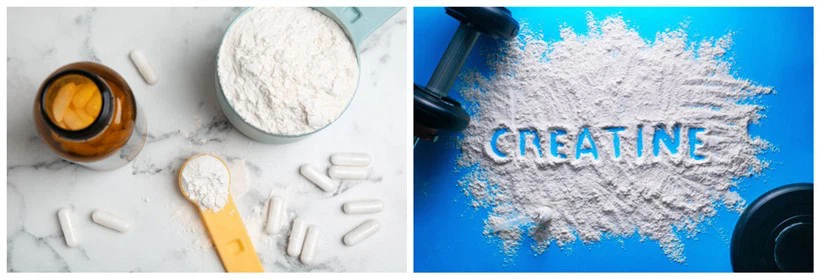
Creatine is a substance synthesized from three amino acids: arginine, glycine, and methionine. It can be produced by the human body itself or obtained through food intake. The more creatine stored in the human body, the more sufficient the energy supply, and the stronger the strength and athletic ability. Because creatine has the effects of quickly providing energy, increasing muscle mass, enhancing strength, accelerating fatigue recovery, and improving explosive power, it is deeply loved by professional athletes and fitness enthusiasts.
The efficacy of creatine
1. Rapid Energy Replenishment: Muscle movement in the human body relies on the breakdown of adenosine triphosphate (ATP) to provide energy. During high-intensity exercise, ATP can be depleted within a few seconds. Aerobic exercises can rely on the aerobic metabolism of carbohydrates and fats for energy. However, in anaerobic exercise, creatine comes into play for energy metabolism. It can combine with phosphate to form creatine phosphate (CP), which becomes an important energy substrate in the body. Creatine phosphate serves as a reserve for ATP, storing energy. In general, for explosive movements lasting less than 8 seconds, creatine phosphate is the primary source of energy. Oral creatine supplementation can increase muscle creatine phosphate levels by up to 20%.
2. Promoting Muscle Growth: During exercise, not only carbohydrates and fats are consumed, but muscle tissue also undergoes breakdown. Therefore, supplementing an adequate amount of creatine can reduce protein consumption in the body and promote the synthesis of more myofilaments, such as actin and myosin, which play important roles in muscle contraction. As a result, muscles naturally become stronger and more powerful. When starting to use creatine, there is often a noticeable increase in muscle size and density. This is because creatine can cause muscle cells to store more water, leading to an increase in muscle volume and a fuller, more defined appearance. Therefore, for individuals looking to increase muscle size, supplementing with creatine is a great option.
3. Increasing Muscle Strength and Explosiveness: Research has shown that the more creatine is stored, the more creatine phosphate (CP) can be synthesized, which in turn allows for a longer supply of ATP. This enables muscles to sustain high-intensity exercise for a longer duration, allowing individuals to fully tap into their strength potential. Sports such as weightlifting, sprinting, swimming, and wrestling that require high levels of explosiveness can greatly benefit from creatine supplementation. By supplementing with creatine, athletes can provide their muscles with a greater amount of energy in a short period of time, resulting in enhanced explosiveness and improved performance.
4. Promoting Recovery from Fatigue: Supplementing with creatine can help tired muscle cells regain vitality. This is because during intense exercise, the ATP energy in muscles is quickly depleted, causing the body to rely on glycolysis for energy production, which produces a large amount of lactic acid. This leads to muscle soreness and fatigue. However, if muscles can store more creatine, it can increase the production of mitochondrial ATP, improve oxygen consumption, reduce glycolysis, and decrease lactic acid production. As a result, fatigue is reduced, and exercise can become more sustainable and explosive.
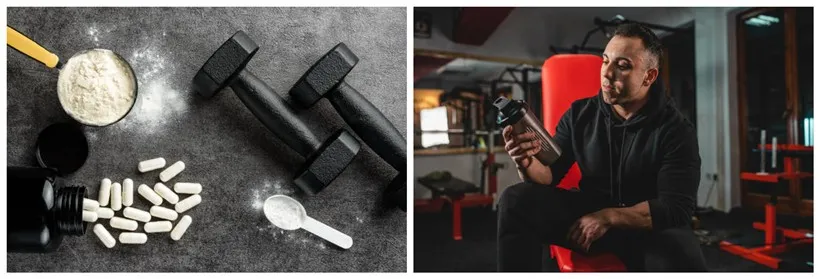
The use of creatine
1. Choosing Creatine Supplements: There are various types of creatine supplements available in the market, such as creatine monohydrate, creatine ethyl ester, creatine hydrochloride, creatine citrate, creatine malate, liquid creatine, creatine pyruvate, and more. However, creatine primarily falls into two categories: creatine monohydrate and complex creatine.
Creatine monohydrate, also known as pure creatine, is the most affordable, simple, and widely used form of creatine. It serves as the base substance for complex creatine formulas. On the other hand, complex creatine is a combination of pure creatine and enriched additives like glycogen, calcium ketone acid, and phosphate, which are scientifically formulated to enhance rapid absorption and utilization in the body. However, complex creatine tends to be more expensive.
It is recommended that users mix pure creatine monohydrate with carbohydrates to create their own complex creatine, which not only saves costs but also achieves the goal of nutritional supplementation.
2. Usage of Creatine: Beginners who are using creatine for the first time should pay attention to the loading phase and maintenance phase. During the first week, which is the loading phase, take 5 grams of creatine four times a day. If you have two training sessions in a day, you can take creatine before and after each session. If you have one training session in a day, take creatine before and after that session. There are no fixed time restrictions for the other two servings, as long as there is a 4-hour gap between them. The purpose of the loading phase is to quickly saturate the muscles with creatine. Without the loading phase, it may take around 30 days for creatine to reach saturation levels in the body.
After the loading phase, maintain creatine intake at 5 grams per day. The typical usage schedule is to have a 1-week loading phase, followed by 6 weeks of maintenance, and then take a break of 2-3 weeks before starting a new cycle. Even on rest days within a regular training cycle, it is important to maintain creatine supplementation to ensure stable creatine levels in the body. If the break between training periods is more than 20 days, you can stop taking creatine and resume supplementation once normal training resumes.

3. The timing and precautions for creatine supplementation. Creatine can have different effects when taken at different times. If the goal is to improve muscle strength and explosiveness, it is recommended to take creatine within 30 minutes to 1 hour before training. If the aim is to increase muscle size and volume, it is advised to take creatine within 2 hours after training, and the sooner, the better.
During creatine supplementation, it is important to drink enough water to ensure proper hydration of the cells and prevent potential side effects such as muscle tightness, stiffness, or cramps. Creatine intake should be matched with the type of training, whether it is focused on strength or speed, and caution should be taken to avoid muscle and ligament strains caused by overtraining.
Creatine should be consumed together with a mixture of carbohydrates, preferably low-glycemic carbohydrates, as this can cause an increase in insulin levels and accelerate the absorption of creatine by muscle cells. It is not recommended to mix creatine with hot water as it may alter the structure of creatine hydrate. Additionally, it should not be consumed with orange juice or caffeinated beverages, as the acidic substances in the former can denature creatine hydrate, and caffeine has a diuretic effect that can affect cellular hydration.

HSF Biotech SoliPro™ Micro-Encapsulated Solid Powder
HSF Biotech Company is a renowned manufacturer in the field of creatine production. With years of experience and expertise, HSF Biotech has established itself as a leading supplier of high-quality creatine products, including Monohydrate Creatine, BCAA Powder, L-Lysine HCL Powder, Glutamine etc. The company's commitment to excellence and innovation has made it a preferred choice for customers across industries.
HSF Company's commitment to research and development ensures continuous exploration of new creatine derivatives and formulations. They work closely with scientific experts and industry professionals to identify emerging trends and develop innovative products that meet the evolving needs of consumers.
With a strong focus on quality control and customer satisfaction, HSF Company has built a reputation as a reliable and trusted partner in the creatine manufacturing industry. Their products are manufactured using advanced technology and strict quality assurance protocols. This ensures consistent potency and purity, providing customers with peace of mind regarding the efficacy and safety of the products.

HSF Biotech Company is a leading player in the production and manufacturing of creatine, particularly monohydrate creatine. Their products find wide applications in various fields, including sports, pharmaceuticals, and the food and beverage industry. With a commitment to excellence and innovation, HSF continues to contribute to the advancement and utilization of creatine for improved health, performance, and well-being.