



Vitamins are a class of essential micronutrients that humans and animals must obtain from food in order to maintain normal physiological functions. They play important roles in growth, metabolism, and development processes in the human body. Although vitamins are not a source of energy or structural components of cells, the metabolism of various substances and energy in the body relies on the regulation of vitamins. The exercise ability of the body is also closely related to vitamins. When there is insufficient vitamin E in the body, the body's activity capacity is weakened, resistance decreases, metabolism becomes disordered, enzyme activity decreases, and the oxidation-reduction process slows down, leading to a decrease in exercise efficiency.
Bioactivity of vitamin E
1. The effects of vitamin E on the reproductive system.
Vitamin E promotes reproduction. It stimulates the secretion of sex hormones, increasing sperm vitality and quantity in males. In females, it elevates estrogen levels, enhancing fertility and preventing miscarriages. Vitamin E deficiency can lead to testicular atrophy, epithelial cell degeneration, and reproductive abnormalities. Vitamin E is commonly used in clinical practice to treat threatened miscarriages and recurrent miscarriages. Additionally, vitamin E also has certain benefits in preventing and treating male infertility.
2. The effects of vitamin E on the cardiovascular system.
Vitamin E is a potent antioxidant that inhibits lipid peroxidation (LPO) in cells and on cell membranes, protecting cells from damage caused by free radicals and preventing a decline in physical performance. The anti-lipid peroxidation properties of vitamin E can prevent the development of atherosclerosis. The oxidation process of low-density lipoprotein (LDL) in the body is closely related to vitamin E and other antioxidants. LDL contains a large amount of polyunsaturated fatty acids and antioxidants such as vitamin E and carotenoids, which can scavenge free radicals and prevent lipid peroxidation chain reactions, thus protecting blood vessels. Additionally, research has indicated that vitamin E deficiency can lead to iron-deficiency anemia.
3. The effects of vitamin E on the urinary system.
Vitamin E can protect liver cells and prevent liver fibrosis. Studies have found that vitamin E plays an important protective role in the structural changes of the liver during the aging process. It is also believed that lipid peroxidation is a significant mechanism of mitochondrial damage in cholestatic hepatocytes of aging rats, and vitamin E has a pronounced protective effect on it. Vitamin E also has a certain protective effect on the kidneys of patients with diabetes.
4. Vitamin E maintains immune function.
Vitamin E plays an important role in maintaining normal immune function in the human body, particularly in protecting T lymphocytes. This function has been confirmed in animal models and the elderly population in the United States. Vitamin E selectively affects humoral immunity mediated by different antigens, and this effect is dose-dependent.
5. The anti-aging effects of vitamin E.
Experimental evidence has shown that free radicals and lipid peroxidation are major contributors to human aging. Vitamin E can inhibit the formation of harmful substances such as free radicals and lipid peroxides in the body. Its antioxidant properties protect the body's cells from the harmful effects of free radicals, thereby delaying the aging process and effectively reducing the formation of wrinkles, maintaining a youthful appearance.
6. The improvement of visual function by vitamin E.
Recent studies have found that vitamin E can inhibit lipid peroxidation in the lens of the eye, promote peripheral blood vessel dilation, improve blood circulation, and prevent the occurrence and progression of myopia. Therefore, it appears that proper supplementation of vitamin E can improve visual acuity.

Tocopherol (Vitamin E ) and physical performance
Prolonged and intense exercise can lead to an increase in endogenous free radicals, which cause damage to the body and affect physical performance. Vitamin E is an essential part of substance and energy metabolism, and its antioxidant function can slow down lipid peroxidation caused by exercise, reduce free radicals in the body, and prevent the decline of physical performance. Studies have shown that vitamin E has a positive effect on improving athletic performance and physical recovery after medium-to-high intensity and high-intensity exhaustive exercise training.
During exercise, the demand for vitamin E increases due to enhanced metabolism. However, the conclusions regarding the effect of long-term or acute exercise on tissue vitamin E levels are inconsistent: there may be a slight increase, no change, or a decrease in vitamin E levels during or after exercise. The reason for the maintenance of vitamin E levels after training may be an adaptation of muscle vitamin E levels to the decrease in oxidative stress caused by exercise training. Some studies have shown that plasma vitamin E levels increase after exercise. This is because vitamin E in fat is decomposed into free fatty acids along with glycerol during exercise and leaks out, while blood becomes concentrated, leading to an increase in plasma vitamin E after exercise. However, it is generally believed that exercise can cause a decrease in tissue vitamin E levels due to its involvement in the antioxidative process of exercise-induced oxidative stress. Therefore, timely supplementation of vitamin E for athletes during training or competition is essential.

Vitamin E Supplements for Athletes
The recommended dietary intake of vitamin E for Chinese residents is as follows: 3-5 mg/day for children aged 0-4, 5-10 mg/day for children aged 4-11, and 14 mg/day for individuals aged 14 and above, including pregnant and lactating women. However, the vitamin E intake for athletes should be appropriately increased to improve athletic performance and facilitate physical recovery. For example, during training for track and field jumping events, the recommended daily supplementation of vitamin E should be 19.9 mg. Research has indicated that supplementing athletes with 5 mg of vitamin E per day can improve their physical capabilities and endurance by 51.5%.
HSF Biotech VegeToco™ Natural Vitamin E
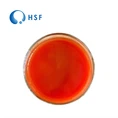
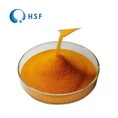
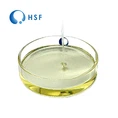
HSF Biotech is a leading manufacturer of natural Vitamin E, also know as Tocopherol. HSF produces a wide variety of specifications to meet the unique product requirements of different brand owners.
At HSF Biotech, we utilized state-of the art extraction methods to produce Mix-Tocopherol, D-alpha Tocopherol, D-alphaTocopheryl Acetate Oil and corresponding microcapsule powder series. HSF experienced team of professionals is dedicated to providing high-quality products and services to meet our customer’s needs.
HSF Work closely with brand owners to customize different specifications of Natural Vitamin E, whether for small-scale or large-scale production. Our talented R&D team can develop unique formulations based on customer requirements. At the same time, HSF adhere to strict quality control standards to guarantee the consistency and accuracy of all products produced.

Want to get FREE SAMPLES, please contact our specialists at sales@healthfulbio.com.