


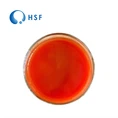

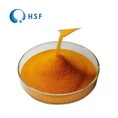
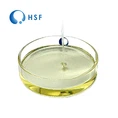
β-Carotene is a carotenoid and an orange-yellow fat-soluble compound. Its name comes from the Latin word for carrot and it belongs to the family of natural chemicals (such as carotene or carotenoids). It exists in large quantities in plants, giving fruits and vegetables a rich yellow and orange color.
β-Carotene is also used as a colorant in foods (such as margarine). β-Carotene is an antioxidant, known as a source of vitamin A, an important active substance for human physiological functions, and an indispensable nutrient for maintaining human health.

β-Carotene: The difference between natural and synthetic
β-Carotene can be produced by three methods: chemical synthesis, plant extraction, and microbial fermentation. According to different production methods, it can be divided into two categories: chemically synthesized β-carotene and natural β-carotene.
Because natural β-carotene has good physiological activity, its price is twice that of chemicals. In the past, artificially synthesized β-carotene was mostly used in food, cosmetics, and health products. With the continuous development of toxicology and analytical technology, studies have shown that: although the purity of chemically synthesized β-carotene is relatively high and the production cost is low, the product is easily mixed with a small amount of toxic chemicals, which may cause chromosome mutations and carcinogenic effects, and the absorption effect is too poor compared with natural β-carotene; while natural β-carotene has better antioxidant effects and does not contain harmful substances, so as people's understanding continues to improve, naturally extracted β-carotene will take the initiative in the market.
Common types of β-carotene products
|
Product |
Specification |
Type |
Application |
|
96% |
Fine Powder |
Dietary supplements, |
|
|
20%/30% |
Oil Suspension |
Softgel Capsules, |
|
|
10%/20% |
Cold Water Soluble & Beadlets |
Solid beverage, Tablets, |
Since the pure product is generally easily oxidized, the 30% oil suspension is the most commonly used. In addition, the water-soluble product is easy to use and is therefore used in beverages.
Physiological effects of beta-carotene
A safe source of vitamin A
Pure beta-carotene is a dark orange crystal with a metallic luster. It is insoluble in water but soluble in organic solvents. In the body, it can be converted into two molecules of vitamin A by oxygenase (beta-carotene-15,15′-oxygenase) in the intestinal mucosa or liver. Beta-carotene is rich in food and is therefore considered the main source of vitamin A for the human body. Because excessive intake of vitamin A can cause toxicity, the human body will only convert beta-carotene into vitamin A when needed, making beta-carotene a safe source of vitamin A.
Keep your eyes healthy
A diet rich in beta-carotene and other carotenoids can reduce the risk of age-related macular degeneration (AMD) by up to 35%. Beta-carotene can also help keep the cornea (the surface of the eye) healthy and moist, optimizing eye health. Vitamin A can help optimize night vision or low-light vision because it helps the eye convert light into signals sent to the brain. As a powerful antioxidant, beta-carotene helps reduce oxidative stress on the eyes caused by blue light and UV radiation from device screens. Vitamin A strengthens the immune system and helps reduce eye inflammation and the risk of eye infections.
 |
 |
Protect skin health
Beta-carotene and other carotenoids can also help maintain the overall health of the skin by protecting it from ultraviolet (UV) rays and pollution. Since UV exposure can cause skin aging, the benefits of beta-carotene can keep the skin healthy.
Make the immune system healthier
Beta-carotene can reduce oxidative damage to immune cells and promote the production of certain interleukins to play an immunomodulatory function. Bendich's in vitro experiment found that after mice took beta-carotene, the response of splenocytes to mitogens was enhanced, among which the reactivity of T lymphocytes to concanavalin A was significantly enhanced; Tomita et al. proved that beta-carotene enhances lymphocyte immune function.
It is worth noting that in daily life, consumers can consume foods containing carotenoids (mainly beta-carotene and lycopene). It is recommended that adults take 6mg-15mg of beta-carotene per day to make up for the nutritional gap in the body. Since beta-carotene is fat-soluble, it should be taken with food to ensure absorption.
Application fields of β-carotene
β-carotene has a wide range of applications in many fields:
Food industry:
Food additives and nutritional enhancers: β-carotene is widely used in ordinary foods due to its good coloring properties, stability, and nutritional enhancement functions. It can provide food with yellow, orange-red, and other colors, and is especially suitable for children's food. At the same time, β-carotene can also be used as a nutritional enhancer to provide antioxidant and immune-enhancing effects.
Application range: modulated milk, flavored fermented milk, cheese analogs, fat desserts, canned fruits, jams, candied fruits, dried vegetables, pickled vegetables, candies, instant rice and flour products, cooked meat products, etc. In GB 2760, the scope of use of β-carotene has been expanded to prepared meat products (raw meat with added conditioning ingredients).
Usage limit: For example, the maximum usage in modulated milk is 1g/kg, and the maximum usage in candies is 0.5g/kg, etc.
Beverage industry:
β-carotene can provide beverages with ideal color and taste, increasing the attractiveness and quality of the product.
Candy and chocolate industry:
Adding β-carotene to candy and chocolate can improve the color and taste of the product and increase the added value of the product.
 |
 |
Healthcare products industry:
β-carotene has antioxidant properties and can be added to healthcare products to improve the health effects of the product.
Cosmetics industry:
β-carotene can be used as a natural pigment in cosmetics to provide ideal skin color and gloss.
Feed industry:
β-carotene, as an animal feed additive, can also enhance animal immunity and improve feed utilization.
Pharmaceutical industry:
β-carotene, as a precursor of vitamin A, helps maintain the cell health of epithelial tissue, prevent senile cataracts, and improve cardiovascular diseases.
HSF Biotech's NutraColor® Beta Carotene
- Beta Carotene CWS/CWD, the spray-dried water dispersible powder;
- Beta Carotene OS, the oil suspensions of beta carotene;
- Beta Carotene BD, the direct compressible beadlets.
 |
|
 |

For more details, please contact us:
Email: sales@healthfulbio.com
Whatsapp: +86 18992720900