



Creatine (sometimes called creatine monohydrate) is known as "the phenomenon" in the bodybuilding community and is one of the best-selling muscle-building supplements. To date, more than 500 studies have evaluated the effects of its supplements on muscle growth, metabolism, exercise capacity and many other health indicators.
While it may be effective for building muscle and increasing strength, on the other hand, this supplement may also have some negative effects. Is creatine safe? Depending on who you ask, it may be "very safe for most people," or it may cause reactions such as water retention and digestive upset.
|
|
|


what is creatine? hou does it work?
Creatine monohydrate is a small peptide made of amino acids (the "building blocks of protein"). It is formed in the liver, pancreas and kidneys, mainly with the help of the amino acids glycine, arginine and methionine. It was first introduced to the public in the 1990s as a supplemental form, when reports emerged of Olympic athletes using it to enhance performance. Today, this supplement is one of the "most widely used nutritional supplements or boosters" on the market.
What exactly is creatine doing to your body to cause the physical and mental changes described above?
Despite what many people believe, it is not a steroid, nor is it an unnatural/artificial product. Creatine monohydrate is a molecule found naturally in the human body, particularly in skeletal muscle. About 90 to 95 percent of creatine is stored in muscles, with the remainder found in the heart, brain, liver, kidneys, testicles, and nearly every cell. It is taken in supplement form to help promote energy production in the body. This compound has the effect of storing phosphate groups in the form of creatine phosphate (also known as creatine phosphate), which supports the release of energy and therefore contributes to strength and muscle mass gains.
Taking this supplement can be used to boost energy production in the form of adenosine triphosphate (ATP). ATP is sometimes called the body's "molecular currency" because it helps store and transport chemical energy within cells. ATP is required for cellular function. It's a source of fuel for our muscles-especially when they're working hard, like during exercise. When we eat food, we get a mixture of macronutrients (carbohydrates, fats, and proteins) used to create ATP, and creatine helps this process by providing phosphate groups that help create ATP.
|
|
|


what are the benefits?
Most researchers today, including Dr. Paul Greenhaff, whose work has been published in the American Journal of Clinical Nutrition, consider creatine safe to consume. This is not just for athletes, but also for people looking to increase their energy and metabolism. Most studies find that not everyone responds the same way to this supplement. Some people may experience greater results and improved health, while others deal with creatine side effects such as indigestion and fluid retention. Below we'll take a look at the pros and cons of using it, what happens if you start to get "creatine overload," and how to maximize your results while using this supplement safely.
Benefits associated with taking/consuming this supplement may include:
- Helps protein synthesis, thereby increasing lean muscle growth. Creatine also increases weight since muscles are filled with more water. Some studies have found that taking creatine supplements for one week can lead to weight gain of approximately 0.9-2.2 kg (2.0-4.6 lbs).
- Increase strength and power output. The creatine storage capacity in our muscles is limited, but it increases as muscle mass increases. Supplementation regenerates ATP stores more quickly during strenuous physical activity, helping to sustain effort and prevent fatigue.
- May help improve muscle recovery and exercise recovery, such as maximizing the effects of strength training.
- Helps maximize performance during high-intensity interval training (HIIT). Studies have found that it improves work performed during maximal effort muscle contraction, single sprint performance, and repetitive sprint performance.
- Neuroprotective properties (may help protect the brain).
- Cognitive enhancement, such as increased alertness, concentration, and concentration.
- May help reduce the severity of depressive symptoms, according to animal studies and small pilot studies in humans.
- Cardioprotective properties as it may help protect the heart and blood vessels. It has also been shown to support increased endurance and anaerobic cardiovascular capacity.
- May reduce fatigue.
- May help increase bone density when used in conjunction with resistance training.
|
|
|


Risks and Side Effects
Generally speaking, creatine appears to be safe, but there are some dangers of creatine. Some people may not respond well to higher doses, such as if they have kidney problems or an enzyme defect that makes it difficult to digest protein. Some studies suggest that creatine side effects may include:
Weight gain due to water retention
Constipation
Restless
Some studies have looked at the effects of supplements on the kidneys, but haven't found much evidence that it damages the kidneys in most healthy people without kidney disease. The kidneys do have a job metabolizing creatine and breaking it down so it can be excreted from the body through urine, but at normal/moderate doses this does not appear to be dangerous for most people.
how to choose creatine
Many experts believe that pure creatine monohydrate is the best type because it is generally the cheapest and has been proven to be effective. If you can find micronized creatine monohydrate, this is a good option, as this form tends to dissolve more easily in liquids and may be easier to digest.
Another type is creatine nitrate, which seems to have a stronger effect than creatine monohydrate but doesn't seem to be more effective or better tolerated. Then there's creatine ethyl ester, which is "purported to increase the bioavailability of creatine." This type may be beneficial, but research has not confirmed that it is actually more bioavailable than creatine monohydrate.
Therefore, creatine monohydrate is the best because it is the most researched creatine, the creatine found to be the most effective, and the best value creatine.
HSF Biotech SoliProTM Creatine Monohydrate
HSF Biotech is a leading producer of creatine monohydrate.
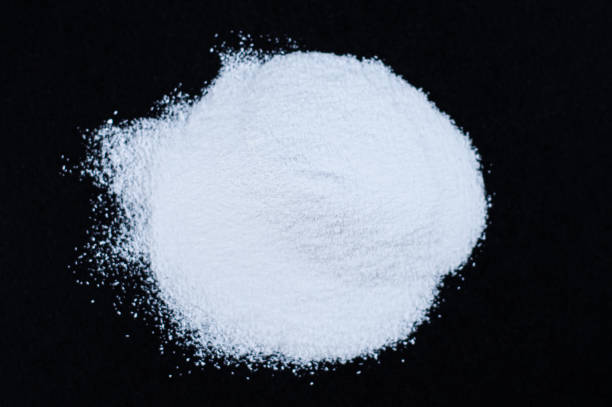
The control of material ratio and temperature during the production process of creatine monohydrate is extremely critical. The purity of the main content of creatine monohydrate produced by HSF must be above 99%, the creatinine content should be less than 100ppm, the dicyandiamide content should be less than 50ppm, and the moisture content should be less than 12%. As a food or health product additive, it still needs to meet the various requirements for food additives on heavy metal content and bacterial count.
HSF Biotech provides quality assurance for all products, and can work with the technical team to meet customers' strict requirements for products, and can provide competitive market prices to establish a long-term and stable cooperative relationship with you.
For more information, please contact:
Email: sales@healthfulbio.com
Whatsapp: +86 18992720900