



In the quest for better health, lecithin has become a popular supplement for supporting various aspects of health, including brain function and liver health. But when faced with the choice between soy and sunflower lecithin, which one truly comes out on top? While both are excellent sources of the essential phospholipid phosphatidylcholine, a closer look reveals distinct advantages that position sunflower lecithin oil as the superior choice for most people. Let's explore the science and benefits behind these two popular supplements.

How Does Lecithin Benefit Your Body?
Lecithin is a type of fat that's crucial to every cell in your body. The primary component of lecithin-phosphatidylcholine-plays several vital roles in maintaining your health. Like DHA, crude oil is fundamental for infant brain development. The choline in lecithin is a building block for neurotransmitters, supporting cognitive function and memory in adults.
Brain and Cognitive Support: Choline is a precursor to acetylcholine, a neurotransmitter essential for memory, mood, and muscle control. Regular lecithin intake ensures your brain has the raw materials it needs for optimal function.
Cardiovascular Health: Lecithin helps metabolize fats and cholesterol. It can aid in maintaining healthy cholesterol levels already within the normal range by supporting the transport and breakdown of lipids in your bloodstream.
Liver Function: Phosphatidylcholine helps protect liver cells from damage and supports the organ's natural detoxification processes, much like how antioxidants in fermented green tea extract protect skin cells.
Digestive Health: As an emulsifier, lecithin helps blend fats with water, which can improve fat digestion and nutrient absorption in the gut.
Cell Membrane Integrity: Sunflower lecithin oil is a fundamental component of cell membranes, contributing to their fluidity and integrity, which is essential for proper cellular communication and function.

The Downside of Soy Lecithin
While soy lecithin is widely available and cost-effective, several concerns have emerged that make health-conscious consumers think twice.
Processing Methods: Most commercial soy lecithin is extracted using harsh chemical solvents like hexane. This industrial processing can leave trace residues in the final product, raising concerns about purity.
Allergen Potential: As one of the top eight allergens, soy can trigger reactions in sensitive individuals. Even highly processed soy lecithin contains trace proteins that may cause issues for those with soy allergies.
GMO Concerns: The vast majority of soybeans grown worldwide are genetically modified. Unless specifically labeled as non-GMO or organic, soy lecithin likely comes from genetically modified sources.
Hormonal Effects: Soy contains isoflavones, which are phytoestrogens. While generally considered safe in moderate amounts, some individuals prefer to avoid these compounds due to concerns about their potential effects on hormone balance.
Environmental Impact: Large-scale soy farming, particularly of GMO varieties, has been linked to deforestation and heavy pesticide use in some regions, raising ecological concerns.

Why Sunflower Lecithin Liquid Stands Out
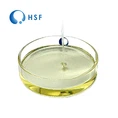
Sunflower lecithin, particularly in liquid form, addresses many of the concerns associated with its soy-based counterpart while offering unique benefits. This aligns with the trend toward cleaner, more sustainable ingredients seen in other supplements, such as Schizochytrium algae powder for pets.
Gentle Extraction Process: Unlike soy lecithin, high-quality sunflower lecithin is typically extracted through a cold-pressing method that doesn't require harsh chemical solvents. This results in a purer, more natural product.
Allergen-Friendly: Sunflower seeds are not among the major food allergens, making sunflower lecithin a safer choice for those with food sensitivities or allergies.
Non-GMO by Nature: Sunflower crops are not genetically modified, so you can be confident that sunflower lecithin is naturally non-GMO without needing special certification.
Neutral Taste and Easy Use: Sunflower lecithin liquid has a milder, less bitter taste compared to soy lecithin. Its liquid form makes it incredibly easy to incorporate into your daily routine-simply add it to smoothies, salad dressings, or even drizzle it over food.
Superior Absorption: The liquid form of sunflower lecithin may offer better bioavailability compared to powdered or granular forms, as it's already emulsified and ready for your body to utilize.
Versatile Applications: Just as fucoxanthin oil can be creatively added to DIY beauty recipes, sunflower lecithin liquid blends seamlessly into both foods and homemade health preparations.
Head-to-Head: Nutritional Comparison
When comparing soy and sunflower lecithin directly, their nutritional profiles are quite similar in terms of phospholipid content. Both typically contain:
Phosphatidylcholine (the most abundant phospholipid)
Phosphatidylinositol
Phosphatidylethanolamine
Essential fatty acids
The critical differences lie not in the core nutrients, but in what accompanies them. Sunflower lecithin generally contains fewer potential contaminants from processing, no phytoestrogens, and none of the allergen proteins found in soy products. This makes it a cleaner source of the same beneficial compounds.
How to Incorporate Sunflower Lecithin Liquid into Your Routine
Integrating sunflower lecithin liquid into your daily health regimen is simple and versatile. Inspired by the creative applications in the provided articles, here are some practical ways to use it:
Morning Boost Smoothie: Add one teaspoon of sunflower lecithin liquid to your morning smoothie. Its emulsifying properties will help create a smoother texture while delivering cognitive benefits to start your day. This method is similar to adding Fermented Ashwagandha Extract Powder to a morning routine for stress reduction.
Homemade Health Supplements: Create your own brain-healthy supplement by combining sunflower lecithin liquid with other nootropic ingredients like lion's mane mushroom powder or omega-3 oils.
Culinary Applications: Use sunflower lecithin liquid as a natural emulsifier in homemade salad dressings, sauces, or soups. It helps blend oil and water-based ingredients seamlessly.
Direct Consumption: For the most direct approach, simply take one teaspoon daily. The mild, nutty flavor makes it palatable straight from the spoon.
Baking Substitute: Replace soy lecithin or eggs in baking recipes with sunflower lecithin liquid. Use approximately one tablespoon per egg in most recipes.
Brain Health Elixir: Create a daily wellness drink by blending sunflower lecithin liquid with warm almond milk, a dash of cinnamon, and a natural sweetener like honey or maple syrup.

Conclusion
When evaluating what's healthier-soy or sunflower lecithin-the evidence clearly favors sunflower lecithin, particularly in liquid form. While both provide the essential phospholipids your body needs, sunflower lecithin offers these benefits without the common concerns associated with soy: harsh chemical extraction, GMO ingredients, allergen potential, and phytoestrogen content.
Sunflower lecithin liquid represents the evolution of lecithin supplementation-a purer, more sustainably sourced, and user-friendly option that aligns with modern health-conscious values. Its gentle extraction process, neutral taste, and easy incorporation into daily routines make it the superior choice for those seeking the cognitive, cardiovascular, and cellular benefits of lecithin without compromise.
As with any supplement, quality matters. Look for cold-pressed, non-GMO sunflower lecithin oil from reputable sources to ensure you're getting the purest product with maximum benefits.
Ready to experience the clean, effective benefits of sunflower lecithin for yourself? Contact us at sales@healthfulbio.com to learn more about our premium Sunflower Lecithin Liquid and how it can enhance your wellness journey.