


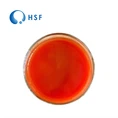

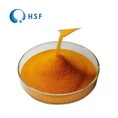
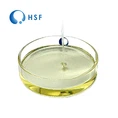
β-carotene is a carotenoid and a precursor of vitamin A. As an orange fat-soluble compound, it has the dual functions of coloring and nutritional supplementation, and is an indispensable nutrient for maintaining human health. β-carotene has been proven to have a large number of biological effects. It can play a powerful role in quenching free radicals, anti-oxidation, and maintaining cell vitality in the body.

At present, the production of β-carotene by microbial fermentation has attracted more and more attention. Blakesleatrispora is the only strain that has achieved industrial production of β-carotene.
The dilute solution of β-carotene is orange-yellow and is easily soluble in organic solvents such as dichloromethane, chloroform, and carbon disulfide. When the concentration of the solution increases, it is orange, and it may be slightly red due to the polarity of the solvent. It is unstable in oxygen, heat and light. It is relatively stable in weak bases. At present, β-carotene is widely used in the food industry, feed industry, medicine and cosmetics industry.
 |
 |
Application Areas
β-Carotene, named after the Latin word carrot, is an orange-yellow fat-soluble compound and a precursor of vitamin A. It exists in large quantities in plants, giving fruits and vegetables a rich color. Due to its coloring, antioxidant and nutritional enhancement functions, β-carotene is widely used in ordinary foods and health care products.
β-Carotene has been recommended as a food additive and nutritional fortifier by the Joint Expert Committee on Food Additives of the Food and Agriculture Organization of the United Nations and the World Health Organization, and has been recognized as a Class A excellent nutritional pigment and has been approved for use in 52 countries and regions around the world.
Application direction
- Colorant
First of all, β-carotene has good coloring properties, ranging from yellow to orange-red, with strong coloring power, stable and uniform color, and can coexist with elements such as K, Zn, and Ca without discoloration, especially suitable for children's food. It can also be used for tablet sugar coating coloring, and its color and stability are better than lemon yellow and carmine red complex sugar coating method. Domestic β-carotene has been included in the national standard of the People's Republic of China as a colorant (Food Additive Use Hygiene Standard GB-2760-96). β-carotene is used in ordinary foods through synthesis or fermentation.
β-carotene is an edible oil-soluble pigment. Its own color can cover all colors from red to yellow due to differences in concentration, so it has attracted attention from the food industry. It is very suitable for the development of oily and protein products, as an edible orange pigment and nutritional enhancer, such as margarine, capsules, fish paste products, vegetarian products, instant noodles, etc. The β-carotene treated with microencapsulation can be converted into a water-soluble pigment, which can be used in almost all foods.
 |
 |
Synthetic β-carotene, as a food additive, has been included in the "National Food Safety Standard Food Additives Usage Standard" (GB 2760). It is used in various types of food as a colorant to give food color.
In GB 2760, synthetic β-carotene can be used in food categories such as reconstituted milk (maximum usage of 1g/kg, the same below), flavored fermented milk (1g/kg), cheese analogs (1g/kg), fat desserts (1g/kg), canned fruit (1g/kg), jam (1g/kg), candied fruit (1g/kg), dried vegetables (0.2g/kg), pickled vegetables (0.132g/kg), candy (0.5g/kg), instant rice and flour products (1g/kg), and cooked meat products (0.02g/kg). According to the latest revision of GB 2760, the scope of use of β-carotene has been expanded to prepared meat products (raw meat with added seasonings) (food category 08.02.01).
Nutritional enhancer
β-carotene is widely used in health foods as a raw material for nutritional enhancers.Like other carotenoids, β-carotene is an antioxidant. Eating foods rich in β-carotene can prevent the body from contacting a destructive molecule called free radicals, which can damage cells through the oxidation process.
At the same time, β-carotene will be converted into vitamin A by the human body when needed. If the human body ingests too much vitamin A, it will cause poisoning. β-carotene will only be converted into vitamin A when the human body needs it, which makes β-carotene a safe source of vitamin A.
- Antioxidant
Moreover, β-carotene is an excellent antioxidant. It has a synergistic effect with vitamin E and vitamin C. Their combination is called the "iron triangle" of antioxidants and has a strong antioxidant effect. Adding β-carotene to cosmetics such as lipstick and rouge can make their color naturally plump, and can also nourish and protect the skin. Main Value β-carotene, a tetraterpenoid compound, has high pharmacological and nutritional value and is now widely used in medicine, health products, food additives and cosmetics. It is used as a food additive, nutritional enhancer and pharmaceutical preparation.
 |
 |
HSF Biotech's β-carotene
HSF Biotech produced β-carotene by microbial fermentation (Blakeslea trispora) to obtain high-grade pure beta-carotene powder (96%). After microencapsulation technology, β-carotene crystals are uniformly dispersed in sunflower oil, adding tocopherols as antioxidants, and finally get beta-carotene oil.
 |
 |
Beta Carotene Oil Suspension is reddish-brown liquid. It can be used as a colorant or nutritional supplement for oily foods such as margarine, meat, etc. In addition, due to its medicinal properties, it can also be used to prepare soft capsules.
For more details, please contact us:
Email: sales@healthfulbio.com
Whatsapp: +86 18992720900