




Omega-3 fatty acids are among the most researched and celebrated nutrients in the world of health and wellness. From supporting brain development in infants to promoting heart health, reducing inflammation, and protecting vision, these essential fats are truly vital. But with a dizzying array of options on the market-fish oil, krill oil, cod liver oil, and now algae oil-a common question arises: which form of omega-3 is the best?
The answer depends on your priorities: source sustainability, purity, bioavailability, dietary restrictions, and specific health goals. However, when you consider all factors together-particularly for DHA (docosahexaenoic acid), the most critical omega-3 for brain and eye health-a clear winner emerges. In this comprehensive guide, we'll compare the major omega-3 sources, explain why DHA matters most for certain populations, and introduce you to HSF Biotech's premium Algae DHA Oil-a pure, sustainable, and highly bioavailable solution.

Understanding Omega-3s: EPA, DHA, and ALA
Before comparing sources, it's essential to understand the three main types of omega-3 fatty acids:
ALA (Alpha-linolenic acid): Found in plant sources like flaxseeds, chia seeds, walnuts, and soybeans. Your body can convert a small amount of ALA into EPA and DHA, but the conversion rate is very low (typically less than 5-10%). ALA alone is insufficient for meeting your body's needs for the more active forms.
EPA (Eicosapentaenoic acid): Found primarily in marine sources (fish, algae). EPA is known for its anti-inflammatory properties and plays a key role in heart health and immune function.
DHA (Docosahexaenoic acid): Found primarily in marine sources. DHA is a structural component of the brain (making up about 10-15% of the cerebral cortex) and the retina (about 50% of the retina's fatty acids). It is absolutely critical for brain development in infants, cognitive function in adults, and eye health throughout life.
For most health benefits-especially brain and eye health-DHA is the most important omega-3. And this is where the source matters tremendously.
The Major Omega-3 Sources Compared
Let's break down the most common omega-3 supplements.
1. Fish Oil (from fatty fish like salmon, anchovies, sardines)
Pros:
Contains both EPA and DHA.
Widely available and relatively inexpensive.
Extensive research base.
Cons:
Sustainability concerns: Overfishing is a serious global issue. Many fish stocks are threatened.
Environmental contaminants: Fish can accumulate toxins like mercury, PCBs, and dioxins from polluted waters. High-quality fish oil is molecularly distilled to remove these, but not all products are pure.
Fishy aftertaste and burps: A common complaint that leads many people to stop taking fish oil.
Not suitable for vegetarians or vegans.
Oxidation risk: Fish oil is prone to rancidity, which not only makes it less effective but can actually be harmful.
2. Krill Oil (from tiny crustaceans)
Pros:
Contains EPA and DHA in phospholipid form, which may be slightly better absorbed than the triglyceride form in standard fish oil.
Contains astaxanthin (a natural antioxidant) that helps prevent oxidation.
Smaller capsules and less fishy aftertaste.
Cons:
Significantly more expensive than fish oil.
Sustainability concerns: While some krill fisheries are certified sustainable, krill is a keystone species in the Antarctic ecosystem. Overfishing could have catastrophic effects on whales, seals, penguins, and other marine life.
Not suitable for vegetarians or vegans.
Lower DHA content per capsule compared to concentrated fish or algae oil.
3. Cod Liver Oil
Pros:
Natural source of vitamins A and D in addition to EPA/DHA.
Cons:
Very high in vitamin A, which can be toxic in excess, especially during pregnancy.
Same sustainability and contamination issues as fish oil.
Strong taste.
4. Algae Oil (from marine microalgae)
Pros:
The only vegan source of DHA. (Vegetarians and vegans cannot get DHA from plants, only ALA.)
Pure and contaminant-free: Algae are grown in controlled, sterile fermentation tanks. There is no risk of mercury, PCBs, or microplastics-common contaminants in wild fish.
Sustainable: Algae farming requires no fishing, no bycatch, and minimal land and water. It is a truly renewable resource.
No fishy taste or smell: Algae DHA has a clean, neutral taste, making it ideal for supplements, infant formula, and fortified foods.
Very low or zero EPA: This is actually an advantage for infants, children, and pregnant women, as high EPA may have blood-thinning effects and is not needed for brain development. Most algae DHA oil contains <1% EPA.
Highly bioavailable: Algae DHA is in the natural triglyceride form, which is well-absorbed by the body.
Cons:
Typically more expensive than standard fish oil (but comparable to high-quality, molecularly distilled fish oil).

Why Algae DHA Oil Is the Best Form for Specific Populations
For Infants, Children, and Pregnant Women
DHA is non-negotiable for brain and eye development during pregnancy, infancy, and early childhood. The DHA in algae oil is:
Contaminant-free: Mercury exposure during pregnancy is a serious concern. Algae oil eliminates this risk.
Low EPA: High EPA is not recommended for infants, as it may affect bleeding time and is not necessary for development.
Vegan and pure: Many infant formulas now use algae-derived DHA exclusively.
Verdict: For prenatal health, infant formula, and children's supplements, algae DHA is the superior and safest choice.
For Vegetarians and Vegans
ALA from flax or walnuts converts to DHA at a rate of less than 5%. A vegan diet without supplemental DHA can lead to suboptimal DHA levels, which may affect brain and eye health over time. Algae oil is the only direct source of vegan DHA.
Verdict: For vegetarians and vegans, algae DHA is essential.
For Environmentally Conscious Consumers
Fish oil is derived from wild-caught fish, many of which are overfished. Algae oil is grown in tanks using fermentation-no fishing, no bycatch, no habitat destruction. It is one of the most sustainable omega-3 sources available.
Verdict: For those who prioritize sustainability, algae DHA is the clear winner.
For Individuals Who Dislike Fishy Burps
The fishy aftertaste and burps from fish oil are caused by oxidation and the breakdown of fish lipids. Algae oil has a neutral taste and does not cause fishy burps.
Verdict: For taste-sensitive individuals, algae DHA is much more pleasant to take.

A Note on EPA for General Adult Health
For adults, EPA is also important for its anti-inflammatory effects and cardiovascular benefits. If your primary goals are heart health and reducing inflammation, a balanced EPA/DHA supplement may be beneficial. However, DHA remains critical for brain and eye health throughout life. Many adults choose a combined EPA/DHA supplement, which can be achieved by taking algae DHA oil alongside a small amount of fish oil, or by choosing an algae oil that also contains EPA (some strains produce both).
For brain-focused health (memory, focus, aging), DHA is the priority.
Why Choose HSF Biotech's Algae DHA Oil?
For consumers and manufacturers seeking the highest quality, purest, and most sustainable DHA source, HSF Biotech offers a premium Algae DHA Oil that sets the standard.
Why HSF Biotech Algae DHA Oil Stands Out
Pure Algal Source: Our DHA is fermented from Schizochytrium sp. This marine microalgae strain has passed the US FDA GRAS (Generally Recognized as Safe) consensus assessment and is approved for use in infant formula. It is the same strain used by leading global infant formula brands.
High Potency: Available in 30%, 40%, and 50% DHA concentrations (by weight), allowing for flexible dosing in supplements, functional foods, and infant formula.
Extremely Low EPA: Our DHA oil contains ≤1% EPA, making it ideal for infants, children, and pregnant women who need pure DHA without the potential blood-thinning effects of EPA.
Exceptional Purity: Because the algae are grown in a fully closed, sterile fermentation system, there is no risk of mercury, PCBs, heavy metals, or microplastics. Our oil meets stringent specifications for heavy metals (Pb ≤ 0.5 ppm, As ≤ 0.5 ppm), residual solvents, and trans-fatty acids (≤1.0%).
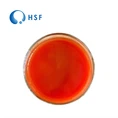
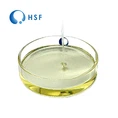
Superior Stability and Taste: The oil has a light yellow to orange color and a slight, clean odor-no fishy smell. It is stabilized with antioxidants to prevent oxidation, ensuring a long shelf life and no unpleasant aftertaste.
Clean-Label and Sustainable: Produced without chemical solvents, our DHA oil is a biosynthetic, environmentally friendly, and traceable product. It is suitable for organic and non-GMO formulations.
Advanced Fermentation Technology: HSF has invested over a decade in strain screening and fermentation optimization. Our proprietary Schizochytrium strain (HSc-01) produces DHA at levels up to 70% in the biomass, ensuring high yields and consistent quality.
Rigorous Quality Assurance: HSF Biotech is committed to the highest international standards. Our DHA oil is produced in facilities with certifications including ISO 9001, ISO 22000, FAMI-QS, IP (NON-GMO), Kosher, and Halal. Every batch undergoes strict third-party testing for purity, potency, and safety.
Versatile Applications: Our Algae DHA Oil is ideal for:
Infant formula and follow-up formula
Prenatal and postnatal supplements
Children's gummies and liquids
Adult DHA supplements (softgels, liquids)
Functional foods and beverages (milk, yogurt, nutrition bars)
Pet food and animal nutrition
Cosmetics and personal care products
Reliable Supply Chain: With a thousand-ton fermentation production line and an investment of RMB 110 million, HSF is a leading, reliable manufacturer of algal DHA oil.
Product Specifications at a Glance
Product Name: Algae DHA Oil (Docosahexaenoic Acid Oil)
Appearance: Light yellow to orange oily liquid.
Specifications: 30%, 40%, 50% DHA.
Source: Fermentation of Schizochytrium sp.
EPA Content: ≤1.0%.
Features: Vegan, sustainable, contaminant-free, highly bioavailable, neutral taste.
Applications: Infant formula, prenatal supplements, adult DHA supplements, functional foods, pet nutrition, cosmetics.
Shelf Life: 1 year at room temperature; 2 years refrigerated (0-10°C).

Conclusion: For Pure, Sustainable DHA, Algae Oil Is Best
So, which form of omega-3 is the best? For general adult health, a combination of EPA and DHA from high-quality fish or algae oil can be beneficial. But for DHA specifically-the omega-3 most critical for brain and eye health-algae oil is superior.
It is purer (no ocean contaminants), more sustainable (no fishing), suitable for everyone (including vegetarians and vegans), and free from fishy aftertaste. For infants, children, pregnant women, and environmentally conscious consumers, algae DHA is not just a good option-it is the best option.
HSF Biotech's Algae DHA Oil delivers this essential nutrient in its purest, most potent, and most sustainable form. Whether you are an individual seeking a clean, effective DHA supplement or a manufacturer formulating infant formula or functional foods, our algae DHA oil provides the quality and reliability you demand.
Ready to choose the best omega-3 for your health or product line? Contact HSF Biotech today at sales@healthfulbio.com to learn more about our Algae DHA Oil, request a sample, or discuss your specific needs.