


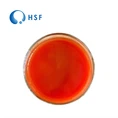


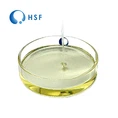
Liposomal Vitamin C can be better absorbed by the human body.

In 1965, Bangham and colleagues at the University of Cambridge discovered liposomes, which can be used as cell membrane models and drug delivery vehicles. It has been recognized and widely used in the treatment of various systemic diseases such as blood, respiratory, and tumor. Since liposomes have the effect of weakening the epidermal barrier, great progress has also been made in the field of dermatological treatment and cosmetic applications.
Applications
1. Applications in infectious and parasitic diseases: Using liposomes as antiparasitic drug carriers to target drugs to intrahepatic parasites, liposomes accumulate in the infected cell population, increasing the duration of drug action.
2. Applications in terms of antifungal. The encapsulation of antifungal drugs in liposomes can reduce their toxicity and maintain their existing antibacterial activity, and can provide drug release ability to further enhance the antibacterial effect.
3. Applications in immune adjuvants. Liposomes can improve the immune response of the body, reorganize antigens into liposome membranes or incorporate them into liposomes to increase the sensitivity of immune responses.
4. Applications in the fight against disease. The half-life of liposomal drugs is significantly increased, which can control the release rate of the drug in the body.
5. As an antidote carrier. Liposomal Vitamin C is a commonly used nanoantidote in colloidal form.