



Vitamin E is one of the most important nutrients in equine nutrition, yet it is also one of the most frequently misunderstood. Unlike many vitamins, horses cannot synthesize vitamin E on their own, and their ability to obtain it from natural sources varies dramatically depending on their diet and lifestyle. For horse owners, trainers, and feed formulators, understanding why vitamin E matters-and how to deliver it effectively-is essential for supporting equine health, performance, and overall vitality.
In this comprehensive guide, we'll explore the critical roles vitamin E plays in the horse's body, the factors that increase the need for supplementation, and why HSF Biotech's Feed Grade Vitamin E 50% Powder is the ideal choice for feed manufacturers and equine nutritionists.

What Is Vitamin E and Why Does It Matter for Horses?
Vitamin E is a fat-soluble nutrient that exists in eight chemical forms: four tocopherols (alpha, beta, gamma, delta) and four tocotrienols. The most biologically active form in the horse's body is alpha-tocopherol.
Vitamin E's primary function is as a powerful antioxidant. It protects cell membranes from oxidative damage caused by free radicals-unstable molecules generated by normal metabolism, exercise, and environmental stressors. Without adequate vitamin E, cells become vulnerable to oxidative stress, which can compromise their structure and function.
Key Functions of Vitamin E in Horses:
Cellular Protection: Vitamin E is the body's primary lipid-soluble antioxidant. It integrates into cell membranes, where it neutralizes free radicals before they can damage the delicate lipid structures that maintain cell integrity.
Immune System Support: Vitamin E supports normal immune function, helping horses mount an effective response to challenges and maintain health during periods of stress, such as training, transport, or weaning.
Muscle Function and Recovery: Horses in training experience increased oxidative stress from exercise. Vitamin E helps protect muscle tissue from exercise-induced damage and supports normal muscle function and recovery.
Reproductive Health: Vitamin E supports normal reproductive function in both mares and stallions, helping maintain fertility and overall reproductive wellness.
Neurological and Neuromuscular Function: Vitamin E is essential for maintaining nervous system health and the muscles it controls, supporting coordination and normal movement.
Why Horses Are at Risk of Vitamin E Deficiency
Horses have a unique vulnerability to vitamin E deficiency compared to many other animals. Here's why:
1. They Cannot Synthesize Vitamin E
Unlike some nutrients that the body can produce, vitamin E must be obtained entirely from the diet. There is no internal production pathway.
2. Fresh Grass Is the Best Source-But Not Always Available
The richest natural source of vitamin E for horses is fresh, lush green grass. However, the vitamin E content of grass declines rapidly after cutting and during storage. This means:
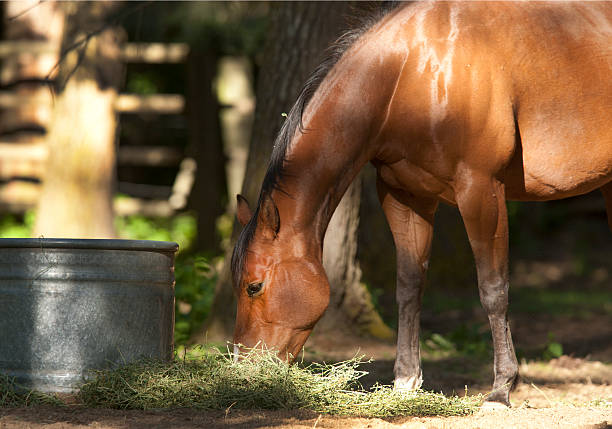
Hay loses most of its vitamin E during the drying and storage process. A horse on a hay-based diet may receive very little vitamin E from forage alone.
Horses without access to pasture (stabled horses, those in dry lots, or during winter months) are at particularly high risk of deficiency.
3. Modern Management Practices Increase Demand
Several factors common in modern horse management increase oxidative stress and, therefore, the need for vitamin E:
Intense Training: Exercise generates free radicals. The harder a horse works, the greater the oxidative burden.
Stress: Transport, competition, changes in routine, and social stress all increase oxidative stress.
Aging: Older horses may have reduced absorption and increased oxidative stress.
Pregnancy and Lactation: These life stages increase nutritional demands.
Illness or Recovery: The body's antioxidant needs increase during times of health challenges.
The Consequences of Vitamin E Deficiency in Horses
When vitamin E levels are insufficient, horses may experience a range of issues related to oxidative stress and compromised cellular function. While we will not mention specific diseases, the general signs of deficiency can include:
Reduced performance and stamina
Muscle soreness or stiffness after exercise
Poor coat condition and dullness
Reduced immune response
Neurological or neuromuscular concerns (in severe cases)
Ensuring adequate vitamin E intake is a foundational part of proactive equine wellness.
Why Supplementation Is Often Necessary
Given that hay-based diets and modern management practices often fail to provide sufficient vitamin E, supplementation is frequently recommended by equine nutritionists and veterinarians. The question is not whether to supplement, but how to do it effectively.
What to Look for in a Vitamin E Supplement for Horses
Natural vs. Synthetic: Natural vitamin E (d-alpha-tocopherol) is more bioavailable and retained longer in the body than synthetic forms (dl-alpha-tocopherol). However, for feed applications, the acetate form of synthetic vitamin E (dl-α-tocopheryl acetate) is commonly used due to its superior stability.
Stability: Vitamin E is sensitive to oxidation, light, and heat. A stabilized, protected form ensures the vitamin remains potent in the feed.
Concentration and Accuracy: A concentrated powder allows for precise dosing and even mixing.
Feed Safety Certifications: Look for products produced under recognized feed safety standards, such as FAMI-QS.

Why Choose HSF Biotech's Feed Grade Vitamin E 50% Powder?
For feed manufacturers and equine nutritionists seeking a reliable, high-quality vitamin E source for horse feed, HSF Biotech offers a premium Feed Grade Vitamin E 50% Powder. This product is specifically designed to meet the unique demands of equine nutrition.
Why HSF Biotech Feed Grade Vitamin E 50% Powder Stands Out
Microencapsulated for Stability: Our product uses advanced microencapsulation technology to protect vitamin E (dl-α-tocopheryl acetate) from oxidation, light, and moisture. This ensures a longer shelf life and maintains potency during feed processing, including pelleting and extrusion.
Highly Concentrated: Standardized to contain ≥50% Vitamin E, our powder provides a potent, concentrated source that allows for accurate dosing and consistent fortification of horse feed.
Superior Handling and Mixing: The free-flowing powder form is easier to weigh, blend, and transport than viscous liquid vitamin E. It disperses evenly in premixes and complete feed, ensuring uniform distribution and consistent intake for every horse.
Stable Form of Vitamin E: We use dl-α-tocopheryl acetate, the acetate ester of vitamin E, which is more resistant to oxidation than free tocopherol. This makes it the preferred choice for feed applications where long shelf life and stability are essential.
Rigorous Quality Assurance: HSF Biotech is committed to the highest international standards. Our Feed Grade Vitamin E 50% Powder is produced in facilities with certifications including FAMI-QS, ISO 9001, Kosher, and Halal. FAMI-QS is a feed safety certification specifically recognized in the European feed industry.
Versatile Applications: Ideal for use in:
Horse and Equine Feed: Premixes and complete feed for all classes of horses.
Poultry Feed: Broiler, layer, and breeder premixes.
Swine Feed: Piglet, grower, finisher, and sow diets.
Ruminant Feed: Dairy and beef cattle premixes.
Aquaculture: Fish and shrimp feeds.
Pet Food: Dog and cat food premixes.
Product Specifications at a Glance
Product Name: Feed Grade Vitamin E 50% Powder (DL-α-Tocopheryl Acetate Powder)
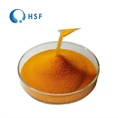
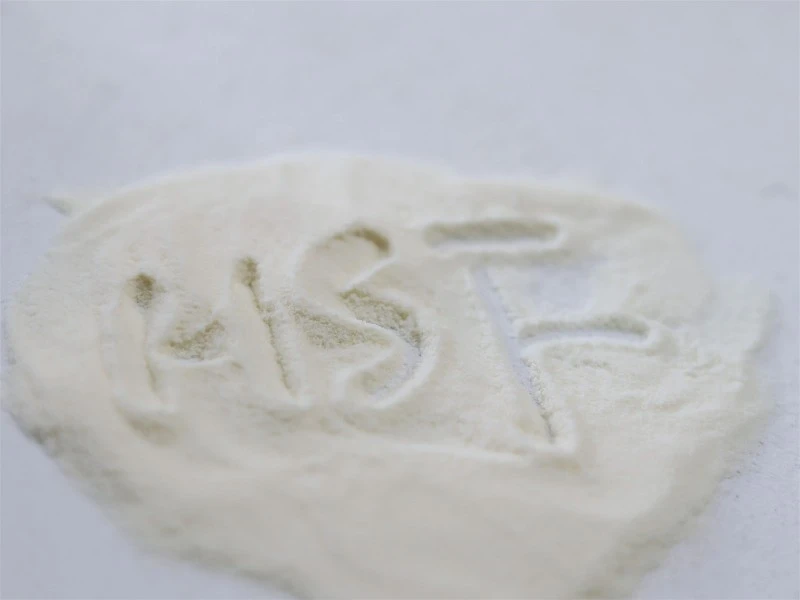
Appearance: Almost white or yellowish, free-flowing powder.
Assay: ≥50% Vitamin E.
Key Feature: Microencapsulated for stability, free-flowing for easy mixing.
Certifications: FAMI-QS, ISO 9001, Kosher, Halal.
Shelf Life: 2 years when stored properly.
How to Use Feed-Grade Vitamin E 50% Powder in Horse Feed
Inclusion Rate: The recommended inclusion rate varies depending on the horse's age, workload, reproductive status, and overall diet. Typical recommendations range from 20 to 100 grams per ton of complete feed. For specific guidance, consult your equine nutritionist.
Mixing: Add the powder to the premix or complete feed and blend thoroughly to ensure even distribution. The microencapsulated powder disperses easily without clumping.
Storage: Store in a cool, dry place, away from direct sunlight and moisture. Keep the container tightly sealed when not in use.
Conclusion: A Foundation for Equine Wellness
Vitamin E is an indispensable nutrient for horses. Its role as the body's primary lipid-soluble antioxidant makes it essential for cellular protection, immune function, muscle health, and overall vitality. Because horses cannot synthesize vitamin E and modern management practices often limit its availability from forage, supplementation is frequently necessary to bridge the gap.
HSF Biotech's Feed Grade Vitamin E 50% Powder delivers this essential nutrient in a stable, concentrated, and easy-to-use form. Whether you are formulating feed for performance horses, breeding stock, or senior companions, our vitamin E powder provides the quality and reliability you need to support equine health from the inside out.
Ready to elevate your equine feed formulations with premium vitamin E? Contact HSF Biotech today at sales@healthfulbio.com to learn more about our Feed Grade Vitamin E 50% Powder, request a sample, or discuss your specific needs.