



In the world of natural wellness and nutritional supplements, few ingredients have generated as much excitement-and as much regulatory scrutiny-as astaxanthin. Often called the "king of carotenoids," this powerful antioxidant is celebrated for its potent cellular protection properties and is a popular addition to many wellness routines. It's found naturally in microalgae, salmon, and krill, and is widely used in supplements, cosmetics, and even animal feed.
However, you may have heard that astaxanthin is "banned" in certain places. This raises a common question: why is astaxanthin banned in some countries? The reality is more nuanced than a simple ban. The regulatory status of astaxanthin varies significantly around the world, driven by concerns about the source of the astaxanthin (natural vs. synthetic), its use in certain products (like farmed salmon), and the establishment of safe intake levels. In this comprehensive guide, we'll explore the reasons behind these regulations, clarify the distinction between natural and synthetic astaxanthin, and explain why HSF Biotech's Astaxanthin Powder (derived from natural fermentation) is a safe, high-quality choice.

Understanding the Regulatory Landscape: Why the Scrutiny?
The primary reason astaxanthin faces regulatory scrutiny is not a universal ban on the compound itself, but rather specific restrictions related to its source and application. These restrictions are typically centered on two main areas:
1. The Source: Natural vs. Synthetic Astaxanthin
This is the most critical distinction. Astaxanthin can be sourced in two ways:
Natural Astaxanthin: Derived from the microalgae Haematococcus pluvialis (and sometimes from yeast). This is the form found in nature and is the type commonly used in dietary supplements for humans.
Synthetic Astaxanthin: Chemically manufactured, often from petrochemicals. It is chemically similar but not identical to the natural form, and its use is typically restricted.
The Concern: Some countries have raised concerns about the safety of synthetic astaxanthin, particularly when it is used as a color additive in farmed salmon feed. Farmed salmon do not naturally consume the algae that gives wild salmon its characteristic pink-red color. To achieve the desired color that consumers expect, synthetic astaxanthin is often added to their feed. This practice has led to restrictions in some regions due to apprehensions about synthetic petrochemical-derived additives in the food supply.
2. Acceptable Daily Intake (ADI) and Exposure Limits
Regulatory bodies like the European Food Safety Authority (EFSA) have established an Acceptable Daily Intake (ADI) for astaxanthin to ensure consumer safety. This ADI represents the amount that can be safely consumed daily over a lifetime without appreciable health risk.
The Issue: The ADI (0.2 mg per kg of body weight) can be exceeded when combining different sources of astaxanthin. For example, an adult taking a high-dose astaxanthin supplement (up to 8 mg/day) while also regularly eating salmon (which contains astaxanthin) could approach or exceed the ADI. For children and adolescents, this combined exposure can exceed the ADI more easily.
The Result: This has led to specific labeling requirements and restrictions in the EU. For instance, supplements containing astaxanthin are required to carry a label stating they should not be consumed by children under 14. This is not a "ban" but a safety measure to prevent excessive intake.

Are There "Bans" on Astaxanthin? The Reality
The term "banned" can be misleading. Here is a more accurate breakdown:
Synthetic Astaxanthin in Salmon: Some countries, like Australia and New Zealand, have historically expressed strong concerns about the use of synthetic astaxanthin in farmed salmon feed, effectively restricting its import or sale. This is often what people mean when they say astaxanthin is "banned."
European Union: The EU does not ban natural astaxanthin. In fact, natural astaxanthin from H. pluvialis is authorized as a Novel Food for use in food supplements. However, it is subject to strict regulations, including the ADI and the labeling requirement for children. The EU also carefully regulates the use of astaxanthin as a food color additive (E161j).
United States: The FDA recognizes natural astaxanthin from algae as generally safe and has approved it as a food coloring for specific uses, including in animal feed. It is widely available as a dietary supplement.
Other Countries: Regulations can vary. In some regions, astaxanthin supplements, like any other dietary supplement, require proper registration to ensure quality and safety. For example, the Philippine FDA has issued warnings against unregistered astaxanthin products.
The Big Picture: Natural vs. Synthetic
The global trend is a clear preference for natural astaxanthin. The EU, for instance, only permits natural astaxanthin in foods for human consumption, a stance driven by consumer demand for clean-label, natural products.
Natural astaxanthin from Haematococcus pluvialis is considered the superior and safest source, free from the concerns associated with synthetic petrochemical-derived versions. This is the source used by HSF Biotech.

Why Choose HSF Biotech's Astaxanthin Powder?
For those seeking a safe, effective, and regulation-friendly source of astaxanthin, HSF Biotech offers a premium Astaxanthin Powder that stands out for its quality, purity, and natural origin.
Why HSF Biotech Astaxanthin Powder Stands Out
Natural Fermentation Source: Our astaxanthin is derived from the microalgae Haematococcus pluvialis through a controlled fermentation process. This yields a natural, non-GMO astaxanthin that is free from the concerns associated with synthetic versions. The product is available in natural and micro-encapsulated forms.
High Potency and Purity: Standardized to ≥2% astaxanthin, our powder ensures a potent, effective dose. It meets strict specifications for heavy metals (Pb NMT 3ppm, As NMT 2ppm) and microbiology.
Versatile Applications: Our Astaxanthin Powder is ideal for use in:
Dietary Supplements: For cellular health and antioxidant support.
Functional Foods and Beverages: For fortification and natural color.
Cosmetics: In skincare formulations for its protective properties.
Animal Nutrition: As a feed additive (where regulations permit).
Rigorous Quality Assurance: HSF Biotech is committed to the highest international standards. Our astaxanthin powder is produced in facilities that are certified to cGMP, ISO 9001, ISO 22000, FAMI-QS, Kosher, and Halal. This ensures a product that meets global regulatory and quality requirements.
Excellent Stability: With a 2-year shelf life when stored properly, our product maintains its potency over time.
Sustainable Source: Our fermentation-based production is environmentally sustainable and free from the variability of wild harvesting.
Product Specifications at a Glance
Product Name: Astaxanthin Powder
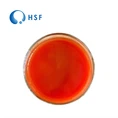
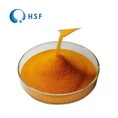
Appearance: Dark red fine powder.
Specifications: ≥2% astaxanthin.
Source: Fermentation (Haematococcus pluvialis).
Features: Natural, high purity, versatile, third-party tested.
Applications: Dietary supplements, functional foods, cosmetics, animal feed.
Shelf Life: 2 years.

Conclusion: Informed Choice, Superior Quality
The question "why is astaxanthin banned in some countries?" is best understood through the lens of regulatory caution, particularly regarding synthetic astaxanthin in aquaculture. The genuine concern is about source and safe intake levels, not a rejection of the compound itself. In fact, natural astaxanthin from algae is widely recognized as safe and is a highly valued ingredient in health and wellness products worldwide.
By choosing HSF Biotech's Astaxanthin Powder, you are selecting a product from a trusted, certified manufacturer that prioritizes quality, purity, and natural sourcing, aligning with the global trend towards safe, effective, and clean-label ingredients.
Ready to experience the benefits of premium natural astaxanthin? Contact HSF Biotech today at sales@healthfulbio.com to learn more about our Astaxanthin Powder, request a sample, or discuss your specific formulation needs.