



Phytosterols play an effective role in maintaining cholesterol balance in the body and are hailed as the "key to life" by scientists. What exactly are phytosterols?
Phytosterols are physically purified from corn and soybeans and have the characteristics of high nutritional value and strong physiological activity. Phytosterols may reduce the risk of cardiovascular disease by lowering cholesterol. It is widely used in food, medicine, cosmetics, animal growth agents and paper processing, printing, textile and other fields. It is especially common as a food additive in Europe and is widely used in food to reduce human cholesterol.
 |
 |
How phytosterols affect cholesterol
Dyslipidemia has affected people of all ages and has become one of the major factors endangering modern human health. Year-round abnormal blood lipids will cause chronic damage to blood vessels throughout the body, and cardiovascular and cerebrovascular diseases will follow closely after arteriosclerosis. The ultimate cause of dyslipidemia is modern people's unhealthy lifestyle. Excessive intake of animal foods and less and less intake of plant foods is a very important aspect. Although we already know from numerous media information the ability of dietary fiber contained in plant foods to regulate blood lipids, few people know that there is another lipid-lowering "master" in plant foods - phytosterols.
 |
 |
As early as the 1960s, international research on the effects of phytosterols on cholesterol levels began. Authoritative organizations such as the World Heart Federation, the American Heart Association, and the European Atherosclerosis Society jointly recognize that phytosterols can effectively reduce cholesterol levels, thereby reducing the risk of cardiovascular and cerebrovascular diseases.
Phytosterols enter our small intestine and begin to work. Because cholesterol flows into our blood and other organs through the small intestine, plant sterols can effectively prevent cholesterol and expel it from the body along with the garbage in our intestines. Phytosterols have three functions that effectively inhibit the intake of exogenous cholesterol:
One is the confusing function. Phytosterols are similar in chemical structure to animal sterols such as cholesterol, but their effects are completely different from cholesterol. There is a carrier that binds cholesterol in the small intestinal mucosa. It is this similar structure that causes this carrier to be confused by phytosterols and combine with them, so that phytosterols can competitively "occupy" the cholesterol absorption channels in the intestine. Once plant sterols occupy the position of cholesterol, the body will naturally absorb less cholesterol.
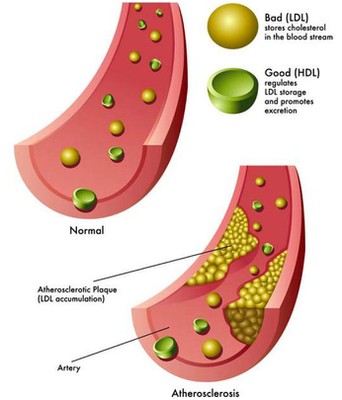
The second is the screening function. Phytosterols can "recognize" good and bad cholesterol in the blood and seize the position of low-density lipoprotein cholesterol (bad cholesterol) in the intestines, reducing its absorption. At the same time, it does not affect the level of high-density lipoprotein cholesterol (good cholesterol), thereby regulating blood lipid balance.
The third is to consider functions. Phytosterols have unique cholesterol-lowering effects. Only when the daily dietary cholesterol intake of the human body is higher than 400 to 450 mg, will plant sterols play its role in hindering the absorption of cholesterol. This means that if the body's own cholesterol intake is not high, plant sterols will not affect the absorption of cholesterol and keep cholesterol in the body at a normal level.
HSF Biotech's Phytosterol Products
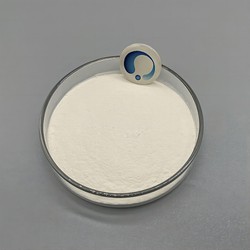
As one of the drafting units of China's phytosterol industry standards, HSF Biotech has made fruitful achievements in the fields of functionality, safety and application of phytosterols over the years, and has been highly recognized by many well-known companies at home and abroad. MaxSterol™ plant sterols produced by HSF use HSF's patented technology to use vegetable oil by-products as raw materials to produce a series of plant sterol products of various specifications and uses in various fields. HSF is also the only enterprise in the Chinese market that has obtained both the plant sterol food production license and the feed production license certification. In 2021, HSF took the lead in the industry to obtain cGMP certification for plant sterols.

Phytosterols are insoluble in water and have limited solubility in oil, which greatly limits its application. Esterification of phytosterols into phytosterol esters is one of the important modification methods. It not only improves the fat solubility of phytosterols, but also has a higher absorption rate of esterified phytosterol esters than phytosterols, and has a more significant cholesterol-lowering effect.
The thin film reaction coupling separation technology developed by HSF Biotech avoids the use of solvents and catalysts in the process of manufacturing phytosterol esters. In 2014, it established the first domestic production line of phytosterol esters, realizing the localization of phytosterol esters. . The LowChol™ brand produced a series of products launched in the same year, broadening the application of plant sterols in the fields of oils and cosmetics. In order to meet the water-solubility requirements of phytosterol esters, HSF Biotech has developed LowChol™-W water-soluble phytosterol esters, which brings new strength to product formulations such as dairy products, solid beverages, and functional beverages. At present, HSF LowChol™ plant sterol ester series products have been used and recognized by many well-known brand customers at home and abroad.
For more details, please contact us: Email: sales@healthfulbio.com
Whatsapp: +86 18992720900