


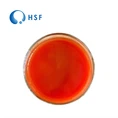

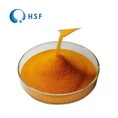
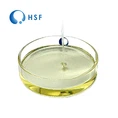
Plant sterols are plant-derived sterols that are found in nuts, vegetables, grains, fruits, and other plants. They have a molecular structure similar to cholesterol. Plant sterols are mainly sourced from plant oils, with corn oil having the highest content of plant sterols among common plant oils in China. Other plant oils used for extracting plant sterols include peanut oil, soybean oil, rapeseed oil, sesame oil, and sunflower seed oil. Plant sterols mainly consist of β-sitosterol, campesterol, and brassicasterol. Plant sterol esters are products obtained through esterification reactions between fatty acids and plant sterols. Plant sterol esters have similar effects on human skin, and cholesterol and can provide a good barrier function for the skin, making them an important component for maintaining skin vitality. Plant sterol esters have good lipid solubility and can be added as a cholesterol-lowering agent in diet or medications.
With the improvement of living standards and the strengthening of health consciousness in China, there is increasing demand for cholesterol-lowering diets due to the widespread concern about chronic diseases related to high blood lipids. As a new functional food ingredient, plant sterol esters have been applied in dairy products.

Application of phytosterol esters
1. Application in cheese
Researchers have found that plant sterol esters have a certain impact on the texture of low-fat quark cheese. During the milk sterilization process in the production of quark cheese, if plant sterol ester microcapsules are added before milk sterilization, the hardness of the cheese initially increases and then decreases with the increasing amount of plant sterol ester microcapsules. The elasticity of the cheese decreases significantly with the increasing amount of plant sterol ester microcapsules. Quark cheese is a fresh soft cheese that originated from Germany. Due to its characteristic of not requiring pressing like other soft cheeses, quark cheese can save the amount of plant sterol ester microcapsules, reduce costs, and lower concerns regarding cholesterol elevation without compromising the sweet taste of full-fat cheese. Currently, the main application of plant sterol esters is in microencapsulation. Plant sterol ester microcapsules are added before milk sterilization and after curd cutting and whey drainage to achieve the desired effect.
Studies have found that adding plant sterol esters to Parmesan cheese also has an impact on its texture. The hardness of the cheese gradually increases with an increasing amount of plant sterols. Feeding animals with Parmesan cheese containing plant sterol esters resulted in a 19% reduction in TC and 11% reduction in TG, and an 8% increase in HDL. Plant sterol esters also have some applications in butter cheese, where their addition affects the extensibility of low-fat butter cheese. Studies have shown that the esterification of plant sterols can effectively reduce the friction coefficient of butter cheese, making it easier to stretch.

2. Applications in milk
Plant sterol esters are mainly used in milk as a component of composite milk products, such as functional milk products that primarily contain plant sterol esters and alpha-linolenic acid. Composite milk products containing alpha-linolenic acid and plant sterol esters are primarily prepared from plant sterol esters, raw milk, flaxseed oil, and commonly used food additives. These products have been validated through double-blind controlled trials, demonstrating their secondary lipid-lowering function.
Researchers conducted a population trial of adding plant sterol ester milk. Patients with abnormal blood cholesterol were recruited from the community and randomly divided into three groups: the group consuming plant sterol ester milk (n=59), the group consuming regular milk (n=58), and the group not consuming any milk (n=62). The trial lasted for 2 months, during which the intervention group (plant sterol ester milk) and the control group (regular milk) consumed 500g of milk daily. The intervention group's intake of plant sterols was 1.58g/day, while the non-milk group did not consume any dairy products throughout the trial. After 1 month of intervention, the total cholesterol (TC) and low-density lipoprotein cholesterol (LDL-C) levels in the intervention group were significantly lower than those in the control group. The results of the trial indicate that plant sterol ester milk can significantly reduce the TC and LDL-C levels of patients with abnormal blood cholesterol.
Research also has shown that at higher levels of plant sterol ester addition, the crystallization of milk fat is delayed, while at lower levels, plant sterol ester enrichment induces milk emulsion crystallization. Understanding the impact of adding plant sterols on the physical and crystallization behavior of emulsions can help the functional food industry design products that are more stable both physically and chemically.
There have also been studies on yogurt, which have shown that adding plant sterol esters to yogurt not only preserves the nutritional value of yogurt but also reduces consumers' absorption of cholesterol.

3. Application in milk powder
Plant sterol esters have been used as blood lipid-lowering ingredients in powdered milk. Adding plant sterol esters to low-fat powdered milk can effectively reduce serum LDL-C and TC levels in middle-aged and elderly patients with hyperlipidemia, without the need for special dietary control or lifestyle intervention.
As a functional food additive with bioactive properties such as cholesterol-lowering effects, plant sterol esters are receiving increasing attention. As a food additive in dairy products, plant sterol esters have already gained some applications and developments. With the strengthening of consumer health awareness and further research on plant sterol esters, the development and application of plant sterol esters have promising prospects.

HSF Biotec LowChol™ Phytosterol
HSF Biotech Company produces plant sterol esters, derived from two sources: soybean and pine wood. These plant sterol esters come in various specifications and can be widely applied in various fields. Particularly, as a novel resource for food, they can be added to cheese, milk, and powdered milk.
HSF Company is dedicated to utilizing the potential of plant sterols in promoting a healthier lifestyle. The plant sterol esters produced by HSF are carefully extracted from high-quality soybeans and pine wood, ensuring purity and effectiveness. These natural compounds have been scientifically proven to have cholesterol-lowering properties, making them ideal for use in food products.
As an innovative resource for the food industry, HSF's plant sterol esters open up new possibilities for creating functional and healthier food products. With the growing demand for cholesterol-lowering ingredients and increasing consumer awareness of the importance of heart health, the application of plant sterol esters in various food sectors holds great promise.
HSF Biotech Company maintains strict quality control measures throughout the production process to ensure that their plant sterol esters meet the highest standards. By offering reliable and effective products, HSF aims to support the food industry in developing healthier options and contribute to improving public health.

Want to get FREE SAMPLES, please contact our specialists at sales@healthfulbio.com.