



In the quest for healthier lifestyles, reducing sugar intake has become a top priority for millions. With growing concerns about obesity, diabetes, and metabolic syndrome, people are turning to alternative sweeteners to satisfy their sweet tooth without the negative health consequences. Among these alternatives, one natural sweetener has been generating significant buzz: allulose.
But a critical question remains for those monitoring their blood sugar-whether for diabetes management, ketogenic diets, or general wellness: does allulose raise blood sugar? The short answer is no. But let's dive deeper into the science behind this remarkable sweetener, explore its unique properties, and understand why it's becoming a game-changer in the world of healthy eating.

Understanding Allulose: A Rare Natural Sugar
Allulose (also known as D-allulose or D-psicose) is a rare monosaccharide, or simple sugar, that occurs naturally in tiny quantities in certain foods like raisins, figs, wheat, and jackfruit. It's an "epimer" of fructose-meaning it has the same chemical formula as fructose (C6H12O6) but a slightly different atomic arrangement. This small structural difference has profound implications for how your body processes it.
Discovered in the 1940s but only commercialized in recent years, allulose has captured the attention of food scientists and health enthusiasts alike. It provides a clean, pure sweetness-about 70% as sweet as regular table sugar-but with only 0.3% of the calories. That means it has roughly 0.4 calories per gram, compared to sugar's 4 calories per gram.
But the most remarkable feature? How your body handles it.
Does Allulose Raise Blood Sugar? The Science Says No
The answer to the question "Does allulose raise blood sugar?" is a definitive no. Here's why:
1. Unique Metabolic Pathway
Unlike regular sugar (sucrose) or even fructose, allulose is not metabolized by your body for energy. When you consume allulose, approximately 70-84% is absorbed from your small intestine into your bloodstream. However, unlike glucose, your body does not recognize allulose as a usable fuel. Instead, it is excreted unchanged in your urine within 24 hours.
The small remainder that isn't absorbed travels to your large intestine, where gut bacteria ferment it. This unique pathway means that allulose provides virtually no usable calories and, crucially, does not raise blood glucose or insulin levels.
2. Clinical Evidence
Multiple human clinical studies have confirmed allulose's neutral effect on blood sugar. Research published in the Journal of Nutritional Science and Vitaminology found that consuming allulose did not increase post-meal blood glucose or insulin levels in healthy adults. In fact, some studies suggest that allulose may actually help suppress blood glucose spikes from other carbohydrates when consumed together.
3. Glycemic Index of Zero
The glycemic index (GI) measures how quickly a food raises blood sugar levels. Pure glucose has a GI of 100. Allulose has a glycemic index of zero. This places it alongside other non-impact sweeteners, such as stevia and monk fruit, making it an excellent choice for anyone concerned about blood sugar management.
4. Benefits for Diabetics and Prediabetics
For individuals with type 2 diabetes or prediabetes, every gram of sugar matters. Allulose offers a way to enjoy sweet flavors without the glycemic consequences. Its lack of effect on blood sugar and insulin makes it a particularly attractive option for this population.
Beyond Blood Sugar: Other Health Benefits of Allulose
Allulose's benefits extend far beyond its neutral effect on blood sugar.
1. Ultra-Low Calorie Content
With approximately 90-95% fewer calories than table sugar, allulose is a powerful tool for weight management. It allows you to reduce your caloric intake without sacrificing sweetness, making it easier to adhere to a reduced-calorie diet.
2. Natural and Clean Label
Unlike artificial sweeteners such as aspartame, sucralose, or saccharin, allulose is a naturally occurring sugar. It's not synthesized in a laboratory from chemical compounds. Allulose is typically produced through enzymatic conversion from fructose derived from corn or sugar beets-a natural process that yields a product recognized as "natural" by regulatory bodies.
3. Does Not Promote Tooth Decay
While regular sugar feeds the bacteria in your mouth that cause cavities, allulose does not. It is non-cariogenic, meaning it does not contribute to tooth decay. This makes it an excellent option for oral health-conscious consumers.
4. Excellent Stability
Allulose is highly stable under various conditions. It does not caramelize or break down at high temperatures, making it suitable for baking and cooking. It maintains its sweet taste in both acidic and alkaline environments and over a wide range of temperatures.
5. Helps Suppress Glucose Spikes
Some research indicates that allulose may actually help reduce the absorption of glucose from other carbohydrates consumed at the same meal. This potential anti-hyperglycemic effect adds another layer of benefit for blood sugar management.
How Allulose Compares to Other Sweeteners
| Sweetener | Calorie per gram | Glycemic Index | Effect on Blood Sugar | Natural? |
|---|---|---|---|---|
| Allulose | 0.4 kcal | 0 | None | Yes |
| Sucrose (Table Sugar) | 4 kcal | 65 | Significant spike | Yes |
| Stevia | 0 kcal | 0 | None | Yes |
| Monk Fruit | 0 kcal | 0 | None | Yes |
| Erythritol | 0.24 kcal | 0 | None | Yes (sugar alcohol) |
| Aspartame | 4 kcal | 0 | None | No (artificial) |
| Sucralose | 0 kcal | 0 | None | No (artificial) |
Allulose occupies a unique space: it's natural, tastes and behaves like sugar (including browning and caramelizing), has zero glycemic impact, and provides minimal calories.
How to Incorporate Allulose into Your Daily Routine
Allulose powder is incredibly versatile and easy to use. Here are some simple ways to add it to your diet:
Morning Beverages
Stir a teaspoon of allulose powder into your coffee, tea, or matcha latte. It dissolves easily and provides a clean sweetness without any aftertaste.
Baking and Cooking
Replace sugar with allulose in your favorite recipes. Because it measures, looks, and browns similarly to sugar, it's a near one-to-one replacement. Note that allulose is about 70% as sweet as sugar, so you may need to use slightly more (about 1.3 times the amount of sugar) to achieve the same sweetness level.
Smoothies and Protein Shakes
Blend allulose into your post-workout smoothie or protein shake for added sweetness without the glycemic load.
Yogurt and Oatmeal
Sprinkle allulose over your morning yogurt or oatmeal for a sweet, satisfying breakfast that won't spike your blood sugar.
Homemade Sauces and Dressings
Allulose dissolves well in liquid, making it perfect for sweetening salad dressings, marinades, and sauces.

Is Allulose Right for You?
For the vast majority of people, allulose is a safe, effective, and beneficial alternative to sugar. However, there are a few considerations:
Digestive Tolerance
Like many low-calorie sweeteners, consuming large amounts of allulose (typically more than 30-40 grams in a single sitting) may cause digestive discomfort in some people, including gas, bloating, or loose stools. Starting with a small amount and gradually increasing intake can help your digestive system adjust.
Consultation with Healthcare Provider
If you have a medical condition, particularly a digestive disorder, or are taking medications, it's always wise to consult with a healthcare professional before making significant changes to your diet.
Quality Matters
The purity and quality of allulose can vary between manufacturers. Choosing a high-quality, pure allulose powder from a reputable source is essential for both safety and taste.
Why Choose HSF Biotech's Allulose Powder?
For those seeking a reliable, pure, and natural allulose powder, HSF Biotech offers a premium Allulose Powder that sets the standard for quality and performance.
Why HSF Biotech Allulose Powder Stands Out
Exceptional Purity: Our allulose is standardized to ≥98.5% D-allulose content (dry basis), ensuring a potent, pure, and consistent product. It meets rigorous quality standards for moisture, ash content, and heavy metals.
Natural Fermentation Source: Derived through enzymatic epimerization from fructose, our allulose is a natural product-not chemically synthesized. Using corn or sugar beet as raw material, the process yields a clean, safe sweetener.
Superior Taste Profile: Our allulose delivers a pure, delicate sweetness that closely mimics high-purity sucrose. It has no off-flavors, no bitterness, and no aftertaste-just clean, satisfying sweetness at various temperatures.
Excellent Stability: The structure and properties of our bulk allulose are extremely stable and chemically inert. It maintains its original state under acidic or alkaline conditions and during high-temperature processing, making it ideal for baking and cooking.
Versatile Form: Available as a white crystalline powder or granule, our allulose is easy to measure, mix, and incorporate into any food or beverage application.
Rigorous Quality Assurance: HSF Biotech is committed to the highest international standards. Our allulose is produced in facilities with certifications including ISO 9001, FSSC 22000, cGMP, Kosher, and Halal. Every batch undergoes strict third-party testing for purity, potency, heavy metals (Pb ≤ 2 ppm, As ≤ 1 ppm), and microbiology.
Regulatory Recognition: Allulose has been recognized as safe by the FDA (US Food and Drug Administration) and is considered one of the most competitive sugar substitutes currently available.
Product Specifications at a Glance
Product Name: Allulose Powder (D-Allulose, D-Psicose)
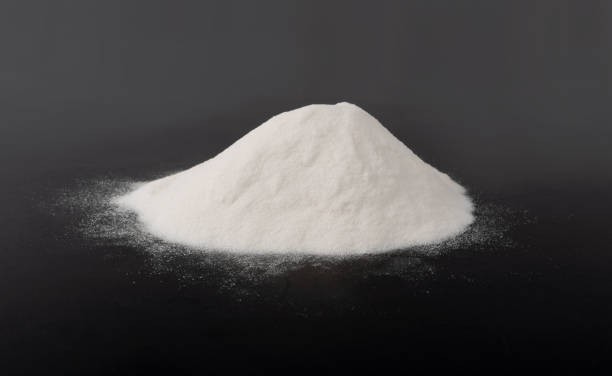
Appearance: White crystalline powder or granule.
Specification: ≥98.5% D-allulose content (dry basis).
Source: Fermentation/enzymatic conversion from corn or sugar beet.
Sweetness: Approximately 70% of sucrose.
Calories: ~0.4 kcal/g (approximately 0.3% of sucrose calories).
Glycemic Index: 0.
Applications: Beverages, baked goods, confectionery, dairy products, ketogenic foods, sugar-free products.
Shelf Life: 24 months.
Conclusion: The Sweet Solution for Blood Sugar Management
So, does allulose raise blood sugar? Absolutely not. This remarkable natural sweetener offers the best of both worlds: the taste and functionality of real sugar without the glycemic consequences. With zero impact on blood glucose and insulin, ultra-low calories, natural origins, and excellent stability, allulose is emerging as one of the most compelling sugar substitutes available today.
HSF Biotech's Allulose Powder delivers this exceptional sweetener in its purest, most potent form. Whether you're an individual managing diabetes, following a ketogenic diet, seeking to reduce calories, or simply striving for better health, our allulose powder provides the quality, purity, and performance you need to enjoy sweetness without compromise.
Ready to transform your relationship with sugar? Contact HSF Biotech today at sales@healthfulbio.com to learn more about our Allulose Powder, request a sample, or discuss your specific needs for retail or food manufacturing.