



Walk through any grocery store's supplement aisle, and you'll notice a growing number of products containing lycopene-the vibrant red carotenoid responsible for the rich color of tomatoes, watermelons, and pink grapefruits. Marketed for its powerful antioxidant properties and potential health benefits, lycopene has become a popular addition to many wellness routines.
But as you consider adding a lycopene supplement to your daily regimen, a common question arises: Does lycopene affect skin color? Can consuming this red pigment actually turn your skin a shade of orange or red, similar to what happens when people eat excessive amounts of beta-carotene-rich carrots?
In this comprehensive guide, we'll explore the science behind lycopene and skin color, explain the phenomenon of carotenodermia, and highlight the genuine-and highly desirable-way that lycopene influences your skin's appearance.

Understanding Lycopene: More Than Just a Red Pigment
Lycopene is a naturally occurring carotenoid-a class of pigments synthesized by plants, algae, and photosynthetic bacteria. Unlike beta-carotene, lycopene does not convert to vitamin A in the body. Instead, it functions primarily as a potent antioxidant, recognized as one of the most effective singlet-oxygen quenchers among carotenoids.
Found abundantly in:
Tomatoes and tomato products (ketchup, sauce, paste)/ Watermelon/ Pink grapefruit/ Guava/ Papaya
Lycopene has been extensively studied for its potential to support heart health, prostate health, skin protection, and overall cellular wellness. But its pigment nature naturally raises questions about its effect on human skin tone.
The Short Answer: Lycopene and Skin Color
No, lycopene does not typically change your skin color in an unnatural or unattractive way. Unlike beta-carotene, which can cause a yellow-orange discoloration of the skin (a harmless condition called carotenodermia) when consumed in very large amounts, lycopene has a much subtler effect on skin appearance.
However, research has shown that regular, moderate intake of lycopene-rich foods or supplements can contribute to a warm, healthy, natural-looking glow-often perceived as a "carotenoid glow"-that is actually considered attractive and associated with good health and vitality.
The Science of Carotenoid Skin Coloration
To understand lycopene's effect, we must first understand how carotenoids in general interact with the skin.
Carotenodermia: The Beta-Carotene Effect
When someone consumes extremely high amounts of beta-carotene (typically from supplements or excessive carrot juice), the excess carotenoids accumulate in the outermost layer of the skin (the stratum corneum). This can result in a yellowish-orange discoloration, most noticeable on the palms of the hands, soles of the feet, and face. This condition, known as carotenodermia, is harmless and reversible upon reducing intake.
Why Lycopene Is Different
Lycopene has a different chemical structure and distribution pattern in the body compared to beta-carotene. While lycopene does accumulate in the skin, its red pigment blends with your natural skin tone in a way that enhances, rather than distorts, your complexion.
Research published in the journal Evolution and Human Behavior found that individuals with higher levels of carotenoids (including lycopene) in their skin were perceived as more attractive and healthier than those with lower levels. The effect produces a warm, golden, sun-kissed glow that is distinctly different from a tan but equally-if not more-appealing.

The Desirable "Lycopene Glow": How It Actually Improves Your Skin
Rather than worrying about turning an unnatural color, you should be excited about how lycopene can improve your skin's appearance. Here's what the science says.
1. Promotes a Natural, Healthy Skin Tone
A 2017 study found that increasing dietary intake of carotenoid-rich fruits and vegetables led to measurable increases in skin yellowness (a component of healthy skin tone) within just 4 weeks. This "carotenoid glow" is perceived as a sign of health, vitality, and attractiveness-similar to the effect of a mild tan but without the DNA damage caused by UV exposure.
Lycopene contributes significantly to this effect. Its red-orange hue combines with your natural skin pigments to create a warm, appealing complexion that signals good nutrition and overall wellness.
2. Provides Natural Sun Protection from Within
One of lycopene's most remarkable benefits is its ability to protect skin from UV damage when consumed regularly. Studies have shown that dietary lycopene can:
Reduce the skin's sensitivity to UV radiation (the sunburn response)
Decrease the formation of sunburn cells
Protect against UV-induced oxidative stress
This internal protection does not replace topical sunscreen, but it provides an additional layer of defense against the aging and damaging effects of sun exposure.
3. Reduces Redness and Inflammation
For individuals with sensitive or reactive skin, lycopene's anti-inflammatory properties can help reduce facial redness and calm irritation. By neutralizing free radicals and modulating inflammatory pathways, lycopene supports a more even, balanced complexion.
4. Fights Premature Skin Aging
Oxidative stress from UV exposure, pollution, and other environmental factors is a primary driver of premature skin aging (photoaging). As a powerful antioxidant, lycopene helps:
Protect collagen and elastin fibers from degradation
Reduce the formation of fine lines and wrinkles
Support skin's natural repair processes
The result is skin that looks smoother, firmer, and more youthful over time.

Does Lycopene Turn Skin Orange? What the Evidence Shows
To directly address the concern: no, lycopene does not turn your skin orange or red in a noticeable, unattractive way under normal supplementation conditions.
The doses used in clinical studies (typically 10-30 mg per day) are safe and well-tolerated, with no reports of significant skin discoloration. The theoretical risk of carotenodermia from lycopene alone is extremely low, as lycopene does not accumulate in the skin to the same extent as beta-carotene, and its red pigment blends more naturally with human skin tones.
Even in studies where participants consumed high amounts of tomato paste or lycopene supplements daily for months, the observed skin changes were positive-a warm, healthy glow-not an unnatural discoloration.
The Many Health Benefits of Lycopene Beyond Skin
While the skin benefits are compelling, lycopene offers a wide range of other science-backed advantages that make it a valuable addition to any wellness routine.
1. Powerful Antioxidant Protection
Lycopene is one of the most effective singlet oxygen quenchers among all carotenoids, meaning it neutralizes one of the most damaging forms of free radicals. This antioxidant activity supports cellular health throughout the body.
2. Supports Heart Health
Numerous studies have linked higher lycopene intake with better cardiovascular health, including healthy blood pressure levels, improved cholesterol profiles, and reduced oxidative damage to lipids.
3. Promotes Prostate Health
Lycopene has been extensively studied for its role in supporting prostate health in men. Research suggests that regular lycopene intake may help maintain healthy prostate tissue and function.
4. Supports Eye Health
Along with other carotenoids like lutein and zeaxanthin, lycopene contributes to eye health by protecting against oxidative stress and supporting the health of the macula.
How to Incorporate Lycopene into Your Daily Routine
There are two primary ways to increase your lycopene intake: through diet and through high-quality supplementation.
Dietary Sources
Cooked tomato products (tomato sauce, paste, ketchup) have higher bioavailable lycopene than raw tomatoes, as cooking breaks down cell walls.
Watermelon is an excellent source of bioavailable lycopene.
Pink grapefruit and guava also contribute meaningful amounts.
Supplementation with Lycopene Oil
For consistent, therapeutic intake, a high-quality lycopene supplement is an excellent choice. HSF Biotech's Lycopene Oil offers a convenient, bioavailable form of this powerful carotenoid.

Why Choose HSF Biotech's Lycopene Oil?
For individuals seeking a reliable, high-quality lycopene supplement, HSF Biotech offers a premium Lycopene Oil that stands out for its purity, potency, and natural sourcing.
Why HSF Biotech Lycopene Oil Stands Out
Natural Fermentation Source: Our lycopene is derived from Blakeslea trispora, a non-GMO fungus, through a controlled fermentation process. This yields a natural, highly bioavailable lycopene identical to what is found in nature.
High Potency: Available in multiple concentrations, including 6%, 10%, 20%, and 30% lycopene oil suspensions, allowing you to choose the right strength for your needs.
Excellent Bioavailability: The oil suspension form (in sunflower seed oil) enhances the absorption of this fat-soluble carotenoid, ensuring your body can utilize it effectively.
Clean Formulation: Our lycopene oil contains lycopene, sunflower seed oil, and vitamin E (as a natural antioxidant)-no unnecessary additives or fillers.
Rigorous Quality Assurance: HSF Biotech is committed to the highest international standards. Our lycopene oil is produced in facilities with certifications including ISO 9001, FSSC 22000, cGMP, Kosher, and Halal. Every batch undergoes strict testing for purity, potency, heavy metals, and microbiology.
Versatile Applications: HSF's Lycopene Oil can be used as:
A dietary supplement (taken orally, added to water or juice)
A skin health ingredient (topically or orally)
A natural colorant for functional foods and beverages
A fortifier for cosmetics and pet food
Excellent Stability: Our packaging (1kg or 10kg aluminum cans) protects the oil from light and oxygen, ensuring a 24-month shelf life when stored properly.
Product Specifications at a Glance
Product Name: Lycopene Oil (Lycopene Suspension)
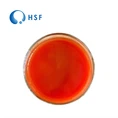
Appearance: Dark red to purplish-red oily liquid.
Specifications: 6%, 10%, 20%, 30% lycopene.
Source: Fermentation (Blakeslea trispora).
Carrier: Sunflower seed oil.
Features: Natural, highly bioavailable, antioxidant-rich.
Applications: Dietary supplements, skin health, eye health, prostate health, functional foods, cosmetics.
Shelf Life: 24 months.
Conclusion: Embrace the Glow
So, does lycopene affect skin color? Yes-but not in the way you might fear. Rather than causing an unnatural orange or red discoloration, regular lycopene intake contributes to a warm, healthy, attractive glow that signals vitality and well-being. Combined with its powerful antioxidant protection against UV damage, its anti-inflammatory effects, and its role in supporting heart, prostate, and eye health, lycopene is a true multitasking nutrient.
HSF Biotech's Lycopene Oil offers a pure, potent, and bioavailable way to harness these benefits. Whether you're looking to protect your skin from within, support your overall health, or create a natural, vibrant supplement or food product, our lycopene oil delivers the quality and efficacy you can trust.
Ready to experience the healthy glow of premium lycopene? Contact HSF Biotech today at sales@healthfulbio.com to learn more about our Lycopene Oil, request a sample, or discuss your specific needs.