


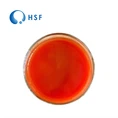

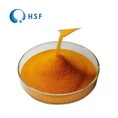
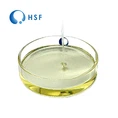
Carotenes-particularly beta-carotene-are among the most powerful and versatile nutrients found in nature. Responsible for the vibrant orange, red, and yellow hues of fruits and vegetables, beta-carotene is a precursor to vitamin A (retinol), a nutrient essential for vision, immune function, skin health, and cellular communication. But unlike vitamin A itself, beta-carotene is safe even in higher amounts, as your body only converts what it needs.
However, many people do not get enough beta-carotene from their diet alone. Whether due to limited intake of colorful produce, digestive issues that impair absorption, or simply a desire for optimal health, the question arises: how to increase carotene in the body effectively?
In this comprehensive guide, we'll explore the best dietary sources, lifestyle factors that enhance absorption, and the role of high-quality supplementation-including HSF Biotech's premium Beta Carotene Oil-in helping you achieve optimal levels of this vital nutrient.
Understanding Beta-Carotene: Your Body's Source of Vitamin A
Beta-carotene belongs to a family of compounds called carotenoids, which are pigments synthesized by plants, algae, and photosynthetic bacteria. It is classified as a "provitamin A" carotenoid, meaning your body can convert it into retinol (active vitamin A) as needed-a highly regulated process that prevents the risk of vitamin A toxicity associated with preformed vitamin A from animal sources.
Why Beta-Carotene Matters
Vision: Vitamin A derived from beta-carotene is a key component of rhodopsin, a protein in your retina that allows you to see in low-light conditions.
Immune Function: Vitamin A helps maintain the integrity of mucous membranes (your body's first line of defense) and supports the production and activity of white blood cells.
Skin Health: Beta-carotene acts as an internal antioxidant, protecting skin cells from UV damage and oxidative stress, while also contributing to a healthy, natural glow.
Cellular Protection: As a potent antioxidant, beta-carotene helps neutralize harmful free radicals that can damage cells and contribute to chronic diseases.
Signs You May Have Low Beta-Carotene Levels
While severe vitamin A deficiency is rare in developed countries, suboptimal beta-carotene intake is common. Signs may include:
- Frequent colds or infections
- Dry, rough, or flaky skin
- Night blindness or difficulty adjusting to darkness
- Dry eyes or corneal issues
- Slow wound healing
If you recognize any of these signs, taking steps to increase your beta-carotene levels is a wise investment in your long-term health.

How to Increase Carotene in the Body Naturally
The most straightforward way to increase beta-carotene levels is through diet. However, what you eat-and how you prepare it-matters immensely.
1. Eat a Rainbow of Beta-Carotene-Rich Foods
Beta-carotene is abundant in brightly colored plant foods. The richest sources include:
Orange and Yellow Vegetables
Carrots: One medium carrot provides over 100% of the Daily Value (DV) for vitamin A from beta-carotene.
Sweet Potatoes: A single baked sweet potato contains more than 400% of the DV.
Pumpkin and Butternut Squash: Excellent sources, especially in soups and purees.
Winter Squash: Acorn, kabocha, and delicata squash are all rich in beta-carotene.
Leafy Green Vegetables
Spinach and Kale: Their green chlorophyll masks the orange beta-carotene, but they are surprisingly rich sources.
Collard Greens and Swiss Chard: Also excellent.
Red and Orange Fruits
Mangoes: A cup of mango provides about 25% of the DV.
Apricots: Fresh or dried, apricots are concentrated sources of nutrients.
Cantaloupe and Papaya: Also significant contributors.
Other Sources
Red Bell Peppers: Surprisingly high in beta-carotene, especially when ripe.
Broccoli: A moderate but valuable source.
2. Cook Foods to Release More Beta-Carotene
This is a critical point. Beta-carotene is trapped within plant cell walls composed of cellulose. Cooking breaks down these cell walls, making the beta-carotene much more bioavailable.
Steaming or roasting carrots, sweet potatoes, and squash significantly increases the amount of beta-carotene your body can absorb compared to eating them raw.
Puréeing cooked vegetables (e.g., making carrot or pumpkin soup) further liberates the carotenoids.
3. Always Pair with Healthy Fats
Beta-carotene is fat-soluble, meaning it cannot be absorbed without dietary fat. To get the most from your meal, always include a source of healthy fat.
Drizzle olive oil over roasted vegetables.
Add avocado or nuts to your spinach salad.
Cook with coconut oil or ghee.
Pair carrot sticks with hummus (which contains tahini, a sesame seed paste rich in fat).
4. Chew Thoroughly
Mechanical breakdown of plant cell walls in your mouth-through thorough chewing-helps release beta-carotene before it even reaches your stomach.

Dietary Challenges: Why Diet Alone May Not Be Enough
Even with the best intentions, achieving consistently high beta-carotene levels through diet alone can be challenging for several reasons:
Modern farming and storage can reduce the carotenoid content of produce.
Individual differences in digestive efficiency affect conversion rates.
Low-fat diets (still common despite shifting nutritional advice) severely impair absorption.
Certain medical conditions reduce fat absorption and, therefore, carotenoid absorption.
Busy lifestyles make it difficult to prepare and consume multiple servings of colorful produce daily.
For these reasons, many health-conscious individuals and healthcare practitioners turn to high-quality beta-carotene supplements.
The Role of Beta-Carotene Supplementation
A well-formulated beta-carotene supplement can provide a consistent, bioavailable dose that is difficult to achieve through food alone. However, not all supplements are created equal. The form, source, and delivery system dramatically affect how well your body can absorb and utilize the nutrient.
What to Look For in a Beta-Carotene Supplement
Natural Source: Liquid Beta-carotene derived from natural fermentation (e.g., from Blakeslea trispora) is chemically identical to the beta-carotene found in plants and is highly bioavailable. Avoid synthetic beta-carotene derived from petrochemicals.
Oil-Based Suspension: Because beta-carotene is fat-soluble, an oil-based liquid form (like HSF Biotech's Beta Carotene Oil) is significantly more absorbable than dry powder tablets, which require additional dietary fat at the time of consumption.
Purity and Potency: Look for a standardized, high-concentration product with third-party testing for purity (free from heavy metals and contaminants).
Stability: Beta-carotene is sensitive to light, heat, and oxygen. A well-packaged, stabilized product (like aluminum cans with inert gas flushing) ensures potency throughout its shelf life.
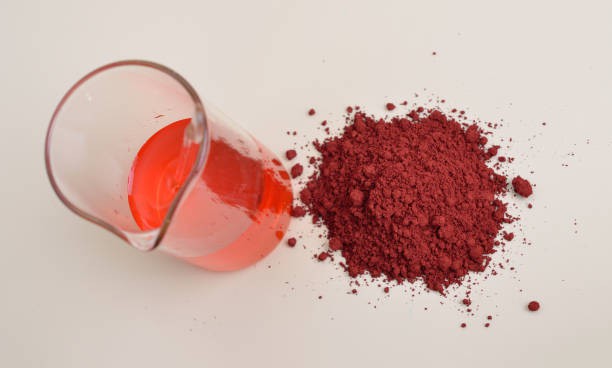
Why Choose HSF Biotech's Beta Carotene Oil?
For those seeking a premium, highly bioavailable beta-carotene supplement, HSF Biotech offers an exceptional Beta Carotene Oil that combines natural fermentation technology with a bio-enhancing oil suspension.
Why HSF Biotech Beta Carotene Oil Stands Out
Natural Fermentation Source: Our beta-carotene is derived from Blakeslea trispora through a controlled fermentation process. This yields a natural, non-GMO beta-carotene that is chemically identical to the form found in carrots and sweet potatoes-and far superior to synthetic alternatives.
Oil Suspension for Maximum Absorption: Our beta-carotene is suspended in sunflower seed oil and stabilized with vitamin E (a natural antioxidant). This oil-based formulation ensures that the beta-carotene is readily absorbed by your body without requiring you to consume additional fat at the time of supplementation. Simply take the oil with a meal, and the fat needed for absorption is already there.
High Potency: Our Beta Carotene Oil is standardized to ≥30% beta-carotene, providing a concentrated, effective dose per serving.
Excellent Stability: The combination of the oil medium, added vitamin E, and protective packaging (aluminum cans that block light) ensures a 24-month shelf life and maintains potency.
Rigorous Quality Assurance: HSF Biotech is committed to the highest international standards. Our beta-carotene oil is produced in facilities with certifications including ISO 9001, ISO 22000, Kosher, and Halal. Every batch undergoes strict testing for purity, potency, heavy metals (Pb ≤ 2 ppm, As ≤ 1 ppm), and microbiology.
Versatile Application: While ideal as a dietary supplement (taken directly or added to food), our Beta Carotene Oil is also used as a natural colorant (E160a) and nutrient fortifier in the food, beverage, and cosmetic industries.
Product Specifications at a Glance
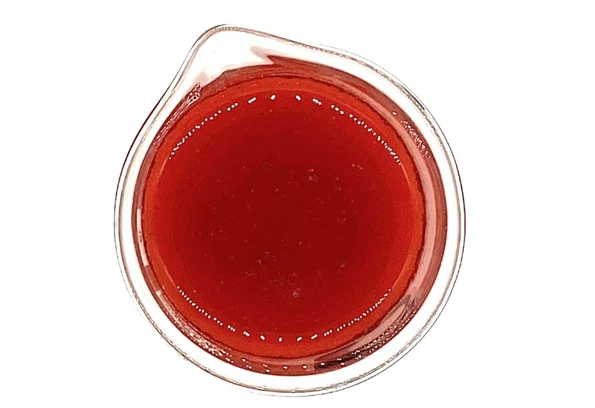
Product Name: Beta Carotene Oil (Beta Carotene Suspension)
Appearance: Dark red to reddish-brown oily liquid.
Specification: ≥30% beta-carotene.
Source: Fermentation (Blakeslea trispora).
Carrier: Sunflower seed oil, with vitamin E as an antioxidant.
Features: Natural, highly bioavailable, stable, clean-label.
Applications: Dietary supplements (softgels, drops), food fortification, natural colorant, cosmetics.
Shelf Life: 24 months.
How to Use Beta Carotene Oil for Best Results
As a Dietary Supplement:
Take the recommended dose (follow product instructions or consult a healthcare provider) with a meal. The oil-based formulation ensures absorption without requiring additional fat.
Can be taken directly by mouth or mixed into a small amount of yogurt, smoothie, or salad dressing.
For Food Manufacturers:
Our Beta Carotene Oil can be used as a natural colorant and fortifier in margarine, cheese, baked goods, beverages, and nutritional products.
Precautions and Considerations
Carotenodermia (Harmless Skin Color Change): Very high intake of beta-carotene from food or supplements can cause a harmless yellow-orange discoloration of the skin (especially palms and soles). This is not dangerous and resolves with reduced intake.
Consult a Healthcare Provider: As with any supplement, consult a healthcare professional before starting beta-carotene, especially if you are pregnant, nursing, taking medications, or have a medical condition.
Conclusion: A Multifaceted Approach to Optimal Carotene Levels
Increasing beta-carotene in your body is best achieved through a combined approach: a diet rich in colorful, cooked vegetables paired with healthy fats, plus a high-quality supplement when additional support is needed.
HSF Biotech's Beta Carotene Oil offers the most bioavailable, convenient, and reliable way to ensure optimal levels of this essential provitamin A nutrient. Whether you are an individual seeking to support your vision, immunity, and skin health, or a manufacturer looking for a premium ingredient for fortification, our beta-carotene oil delivers the purity, potency, and performance you can trust.
Ready to boost your beta-carotene levels naturally and effectively? Contact HSF Biotech today at sales@healthfulbio.com to learn more about our Beta Carotene Oil, request a sample, or discuss your specific needs.