



In the crowded world of cognitive enhancement supplements, few ingredients have garnered as much scientific interest as phosphatidylserine (PS). Marketed as a memory booster, stress reducer, and brain health protector, it has become a staple in nootropic stacks and age-related cognitive formulas. But with so many supplements making bold claims, a critical question remains: Does phosphatidylserine actually work?
The short answer is yes-but not as a magic pill for instant genius. Decades of clinical research support the efficacy of phosphatidylserine for specific, measurable outcomes related to memory, stress, and cognitive function in aging populations. In this comprehensive guide, we'll explore what phosphatidylserine is, how it works in the brain, what the science says about its benefits, and why HSF Biotech's Phosphatidylserine Powder is the high-quality choice for formulators and consumers alike.

Understanding Phosphatidylserine: A Key Component of Your Brain
Before we can evaluate whether it works, we need to understand what phosphatidylserine is and why it matters.
Phosphatidylserine is a type of phospholipid-a fat molecule that is a fundamental building block of cell membranes. While it is found throughout the body, it is most concentrated in the brain, where it makes up approximately 17.7% of the brain's total phospholipids. It is primarily located on the inner leaflet of cell membranes, where it plays a critical role in:
Cell signaling: PS helps transmit messages from the cell surface to the cell interior, initiating important cellular responses.
Neurotransmitter release: It is involved in the release of key brain chemicals like dopamine, acetylcholine, and serotonin, which regulate mood, memory, and focus.
Membrane fluidity and integrity: PS helps maintain the structural health and flexibility of neuronal cell membranes, which is essential for efficient communication between brain cells.
As we age, natural levels of phosphatidylserine in the brain decline. This decline is associated with normal age-related changes in memory, learning speed, and cognitive processing. Supplementing with PS is intended to help replenish these levels, supporting brain function at a cellular level.
Does Phosphatidylserine Actually Work? The Evidence
Let's look at the specific areas where clinical research has demonstrated the effectiveness of phosphatidylserine supplementation.
1. Age-Related Memory and Cognitive Decline
This is the strongest area of evidence for phosphatidylserine. Multiple double-blind, placebo-controlled studies have shown that PS can slow and even reverse some aspects of age-related cognitive decline.
A landmark study published in Clinical Trials Journal (1991) gave 300 mg of PS daily to elderly patients with age-associated memory impairment. After 12 weeks, those taking PS showed significant improvements in memory, learning, concentration, and daily life activities compared to the placebo group.
A 2002 study in Aging Clinical and Experimental Research found that elderly subjects taking 300 mg of PS daily for six months experienced improvements in cognitive function and mood.
Verdict: Yes-phosphatidylserine is effective at supporting cognitive function in older adults with normal age-related memory concerns.
2. Stress and Cortisol Reduction
Modern life is stressful, and chronic stress elevates cortisol levels, which can negatively impact memory, mood, and overall health. Several studies have investigated PS's ability to blunt the cortisol response to stress.
A 2014 study in The Journal of the International Society of Sports Nutrition gave 600 mg of PS to healthy young men undergoing a mental stress test. PS supplementation significantly reduced the cortisol spike compared to placebo.
Other research has found that PS can lower cortisol levels after intense exercise, potentially aiding recovery and reducing exercise-induced stress.
Verdict: Yes-phosphatidylserine has been shown to lower elevated cortisol levels in response to both mental and physical stress.
3. Focus, Attention, and Mood
The evidence here is more mixed but still promising, particularly for specific populations.
Some studies have shown that PS can improve attention, impulse control, and behavior in children with Attention Deficit Hyperactivity Disorder (ADHD). A 2012 study in Alternative Medicine Review found that PS supplementation improved ADHD symptoms and reduced short-term auditory memory problems.
For healthy adults without cognitive impairment, the benefits are more subtle. Some studies show improvements in mood and reaction time, while others show no significant effect on standard memory tests.
Verdict: For healthy younger adults, the effects on focus may be mild. For those with elevated stress or subclinical attention issues, PS can be beneficial.
4. Athletic Performance and Recovery
Phosphatidylserine has also been studied in the context of sports nutrition. Research suggests it may:
Reduce perceived exertion and muscle soreness after exercise.
Lower cortisol spikes following intense training.
Help prevent overtraining syndrome in endurance athletes.
Verdict: Yes-PS can be a valuable tool for athletes looking to manage stress and support recovery.

How Does Phosphatidylserine Work in the Brain?
Understanding the mechanism helps explain why PS is effective.
1. Supports Neurotransmitter Function
PS facilitates the release of acetylcholine, a neurotransmitter critical for learning and memory. By ensuring adequate acetylcholine availability, PS helps maintain the communication pathways necessary for forming new memories.
2. Maintains Membrane Fluidity
Healthy, flexible cell membranes allow neurons to communicate more efficiently. PS helps keep neuronal membranes in optimal condition, which is especially important as we age and membranes naturally become more rigid.
3. Crosses the Blood-Brain Barrier
Because PS is lipid-soluble, it can easily cross the blood-brain barrier after absorption. This means that when you take a PS supplement, it can directly enter brain tissue and be incorporated into neuronal membranes.
4. Modulates the HPA Axis
The hypothalamic-pituitary-adrenal (HPA) axis is the body's central stress response system. PS appears to help normalize HPA axis activity, reducing excessive cortisol release in response to stressors.
Who Can Benefit Most from Phosphatidylserine?
Based on the evidence, the following groups are most likely to experience noticeable benefits:
Older adults experiencing normal age-related memory lapses or mild cognitive impairment.
Individuals under chronic stress (e.g., high-pressure jobs, caregiving).
Endurance athletes seeking better recovery and lower exercise-induced cortisol.
Students or professionals during periods of high mental demand (though effects may be subtle).
Children with ADHD (under medical supervision).
For healthy, young, unstressed individuals, the benefits may be less dramatic. However, even in this group, long-term supplementation may support brain health as a proactive measure.
How to Take Phosphatidylserine for Best Results
Recommended Dosage
For cognitive support (aging): 300 mg daily, typically taken in divided doses (e.g., 100 mg three times per day or 300 mg once daily).
For stress/cortisol reduction: 300-600 mg daily, taken before stressful events or after exercise.
For ADHD (children): Dosage varies based on weight and condition; consult a healthcare provider.
Timing
PS is fat-soluble and should be taken with a meal containing dietary fat for optimal absorption. Morning doses are common for daytime focus; evening doses may improve sleep quality by lowering evening cortisol levels.
Consistency is Key
Like many brain supplements, PS's effects build over time. Most studies showing cognitive benefits used supplementation periods of 12 weeks or longer.
Why Choose HSF Biotech's Phosphatidylserine Powder?
For manufacturers and formulators seeking a reliable, high-quality source of phosphatidylserine, HSF Biotech offers a premium Phosphatidylserine Powder that sets the standard for purity, consistency, and functionality.
Why HSF Biotech Phosphatidylserine Powder Stands Out
High Potency and Purity: Our PS powder is available in multiple specifications, including 50-60% phosphatidylserine content (dry basis), ensuring a concentrated, effective ingredient. It meets strict quality standards for acetone insolubles (≥95%), low solvent residues, and peroxide value (≤10.0 meq/kg).
Natural, Plant-Based Source: Sourced from non-GMO, plant-based ingredients (typically sunflower or soy lecithin), our PS is a clean-label, allergen-free choice for supplements and functional foods.
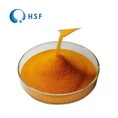
Excellent Formulation Versatility: The powder form (light yellow to brown, with a pleasant aroma) is ideal for:
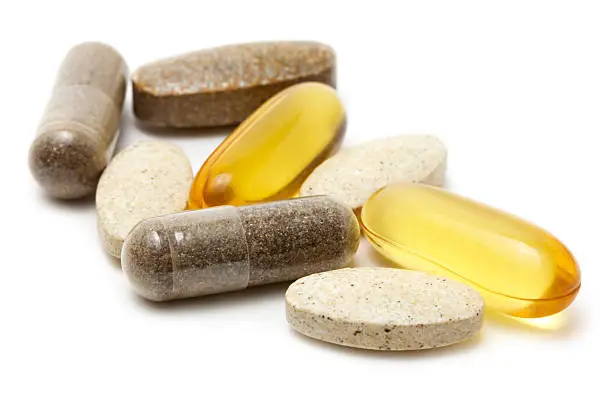
Dietary supplements: Tablets, capsules, and powder blends.
Functional foods: Bars, beverages, and snacks.
Sports nutrition: Recovery formulas and pre-workout blends.
Supports Multiple Health Claims: With robust science backing its benefits, PS is a valuable addition to products targeting:
Cognitive health (memory, focus, learning)
Stress management (cortisol reduction)
Healthy aging (neuroprotection)
Athletic recovery
ADHD support
Technical Excellence: Our PS powder is manufactured with careful control over moisture (≤2.0%), heavy metals (Pb ≤ 0.09 ppm, As ≤ 0.1 ppm), and microbiology (low total plate count, negative for pathogens). It is also available in various particle sizes (powder, granule, or clump) to suit different processing needs.
Rigorous Quality Assurance: HSF Biotech is committed to the highest international standards. Our PS is produced in facilities with certifications including ISO 9001, ISO 22000, IP (NON-GMO), Kosher, and Halal. Every batch undergoes strict third-party testing to ensure purity, potency, and safety.
Reliable Supply: With flexible packaging options (1kg aluminum foil bags or 25kg drums) and a 24-month shelf life under recommended storage conditions, we can meet the needs of both small-batch developers and large-scale manufacturers.
Product Specifications at a Glance
Product Name: Phosphatidylserine Powder (PS)
Appearance: Light yellow to brown powder, granule, or clump.
Specification: 50-60% phosphatidylserine (dry content).
Key Features: Non-GMO, plant-based, high purity, excellent solubility.
Applications: Cognitive supplements, stress management formulas, sports nutrition, healthy aging products, and ADHD support.
Shelf Life: 24 months (when stored in cool, dry, dark conditions).

Conclusion: Backed by Science, Trusted by Formulators
So, does phosphatidylserine actually work? The answer is a resounding yes, particularly for age-related memory support, stress reduction, and athletic recovery. The science is robust, the mechanisms are well understood, and the clinical outcomes are measurable.
HSF Biotech's Phosphatidylserine Powder delivers this powerful nootropic in a pure, consistent, and versatile form. Whether you are a supplement manufacturer looking to create a cutting-edge brain health formula or a consumer seeking a high-quality PS product, our phosphatidylserine provides the quality, efficacy, and safety you demand.
Ready to incorporate science-backed brain nutrition into your product line? Contact HSF Biotech today at sales@healthfulbio.com to learn more about our Phosphatidylserine Powder, request a sample, or discuss your specific formulation needs.