



In the world of nutritional supplements, few ingredients have garnered as much scientific support for a specific health outcome as zeaxanthin has for eye health. Alongside its sister carotenoid lutein, zeaxanthin is often called the "eye vitamin" for its critical role in protecting the macula-the part of your retina responsible for sharp, central vision. But unlike more general supplements, zeaxanthin isn't for everyone. So, who should take zeaxanthin?
The short answer is: anyone concerned about long-term eye health, particularly those at risk for age-related macular degeneration (AMD) or those who spend significant time in front of digital screens. But the full answer is more nuanced. In this comprehensive guide, we'll explore what zeaxanthin does, who is most likely to benefit from supplementation, and why HSF Biotech's Zeaxanthin Oil Suspension is a superior choice for maintaining optimal eye health.

Understanding Zeaxanthin: Your Eye's Natural Shield
Zeaxanthin is a carotenoid-a natural pigment found in plants, algae, and photosynthetic bacteria. It is one of only two carotenoids (the other being lutein) that are selectively deposited in the macula of the human retina. There, they form the macular pigment, which acts as an internal pair of sunglasses, filtering out harmful blue light and neutralizing oxidative stress.
How Zeaxanthin Protects Your Eyes
Blue Light Filtration: Zeaxanthin absorbs high-energy blue light (which can damage retinal cells) before it reaches the sensitive photoreceptors.
Antioxidant Activity: It neutralizes free radicals generated by light exposure and metabolic processes, reducing oxidative damage to the retina.
Membrane Stabilization: Zeaxanthin helps maintain the structural integrity of retinal cell membranes, supporting healthy cellular function.
Anti-Inflammatory Effects: It may help reduce chronic, low-grade inflammation in the retinal tissue.
Unlike lutein, which is distributed more broadly throughout the retina, zeaxanthin is concentrated in the very center of the macula (the fovea) -the area responsible for your sharpest, most detailed vision. This central role makes it particularly important for tasks like reading, driving, and recognizing faces.
Who Should Take Zeaxanthin?
While everyone benefits from adequate zeaxanthin intake, certain groups have a more urgent need.
1. Individuals Over Age 50 (Risk of Age-Related Macular Degeneration)
Why they need it: Age-related macular degeneration (AMD) is the leading cause of vision loss in older adults. The macula naturally thins and becomes more vulnerable to oxidative damage with age. Studies, including the landmark Age-Related Eye Disease Study 2 (AREDS2), have shown that supplementing with lutein and zeaxanthin can slow the progression of AMD and reduce the risk of developing advanced stages.
Key evidence: The AREDS2 trial replaced beta-carotene with lutein (10 mg) and zeaxanthin (2 mg) in the supplement formula and found it to be equally effective-and safer for former smokers-than the original formulation.
Who should take it: Anyone over 50, especially those with a family history of AMD or early signs of the condition.
2. People with a Family History of Eye Disease
Genetics plays a significant role in your risk for AMD and other retinal conditions. If you have a parent or sibling with AMD, your own risk is significantly elevated. Proactive zeaxanthin supplementation may help delay or reduce that risk.
3. Heavy Users of Digital Devices
Why they need it: Digital screens emit significant amounts of blue light. While the levels are lower than sunlight, chronic, long-term exposure-especially in low-light conditions (like scrolling on a phone in bed)-may contribute to oxidative stress in the retina over decades. Zeaxanthin helps filter this blue light before it can damage retinal cells.
Who should take it: Office workers, programmers, graphic designers, students, and anyone who spends 6+ hours per day in front of computers, tablets, or smartphones.
4. Those with Low Dietary Intake of Leafy Greens and Colorful Vegetables
Zeaxanthin is not produced by the body; it must come from diet or supplements. The richest dietary sources are:
Leafy greens: Spinach, kale, collards, turnip greens.
Orange and yellow vegetables: Corn, orange peppers, squash.
Egg yolks (highly bioavailable due to the fat content).
If your diet is low in these foods-which describes a large portion of the Western population-you are likely not getting optimal zeaxanthin levels. Supplementation is a reliable way to bridge this gap.
5. Athletes and Active Individuals
Why they need it: Intense physical activity increases oxidative stress throughout the body, including the eyes. Additionally, athletes often spend significant time outdoors, exposing their eyes to UV and blue light. Zeaxanthin's antioxidant properties may help protect retinal cells from exercise-induced oxidative damage.
6. People Who Have Undergone Cataract Surgery
Why they need it: The eye's natural lens filters some blue light. After cataract surgery (where the clouded lens is replaced with a clear intraocular lens), more blue light reaches the retina. Zeaxanthin supplementation may help compensate for this lost filtration, protecting the macula.
7. Those Concerned About Overall Cognitive Health
Emerging research suggests a connection between macular pigment density and cognitive function. The brain also accumulates lutein and zeaxanthin, where they may play a protective role against age-related cognitive decline. While more research is needed, maintaining healthy zeaxanthin levels may benefit both your eyes and your brain.

Who Might Not Need Zeaxanthin (Or Should Be Cautious)?
Young, healthy individuals with excellent diets: If you regularly eat large servings of leafy greens, eggs, and colorful vegetables, you may already be getting adequate zeaxanthin.
Those with very specific medical conditions: As with any supplement, consult your healthcare provider if you have a chronic condition or are taking medications.
What to Look For in a Zeaxanthin Supplement
Not all zeaxanthin supplements are created equal. Key factors to consider:
Natural vs. Synthetic: Natural zeaxanthin (extracted from marigold flowers) is the form found in the diet and in the human retina. It is highly bioavailable and well-studied. Synthetic versions may not be identical.
Formulation (Oil Suspension vs. Powder): Zeaxanthin is fat-soluble. A liquid zeaxanthin significantly enhances absorption compared to dry powders, as the oil provides the fat needed for uptake.
Dosage: The AREDS2 study used 2 mg of zeaxanthin alongside 10 mg of lutein. Many eye health formulas use a 5:1 or 10:2 ratio of lutein to zeaxanthin, mirroring the natural ratio in the diet. A daily dose of 2-4 mg of zeaxanthin is common for general maintenance.
Purity and Testing: Look for third-party testing for heavy metals, pesticides, and residual solvents.

Why Choose HSF Biotech's Zeaxanthin Oil Suspension?
For those seeking a premium, highly bioavailable zeaxanthin supplement, HSF Biotech offers an exceptional Zeaxanthin Oil Suspension that combines natural sourcing with advanced formulation.
Why HSF Biotech Zeaxanthin Oil Stands Out
Natural Marigold Source: Our zeaxanthin is extracted from Tagetes erecta (marigold flowers), a rich, natural source of this carotenoid. This ensures a plant-based, non-GMO ingredient that is identical to the zeaxanthin found in a healthy diet.
Oil Suspension for Maximum Absorption: Because zeaxanthin is fat-soluble, an oil-based suspension is the most bioavailable form. Our product is suspended in vegetable oil with added vitamin E (a natural antioxidant) to protect against oxidation and enhance stability. This means your body can absorb and utilize the zeaxanthin effectively without requiring you to consume additional fat at the time of supplementation.
High Potency and Purity: Our zeaxanthin oil is available in multiple concentrations, including 10%, 20%, and 30%, allowing for flexible dosing. It meets rigorous specifications for heavy metals (As ≤ 2 ppm, Pb ≤ 1 ppm), residual solvents, and pesticide residues.
Proven Stability: The oil suspension formulation, combined with vitamin E and protective packaging, ensures a 24-month shelf life and maintains potency. The product is protected from light and oxygen, which degrade carotenoids.
Versatile Applications: While ideal as a dietary supplement (softgels, drops), our Zeaxanthin Oil is also used as a natural colorant (providing a yellow-orange hue) and nutrient fortifier in the food, beverage, cosmetic, and animal feed industries.
Rigorous Quality Assurance: HSF Biotech is committed to the highest international standards. Our zeaxanthin oil is produced in facilities with certifications including ISO 9001, ISO 22000, Kosher, and Halal. Every batch undergoes strict third-party testing for purity, potency, and safety.
Scientific Backing: Zeaxanthin is one of the most well-researched nutrients for eye health, with a strong body of clinical evidence supporting its role in maintaining macular health and reducing AMD risk.
Product Specifications at a Glance
Product Name: Zeaxanthin Oil Suspension
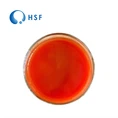
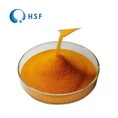
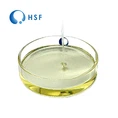
Appearance: Orange-yellow to red-yellow viscous oil.
Specifications: 10%, 20%, 30% zeaxanthin (HPLC).
Source: Marigold flower (Tagetes erecta).
Carrier: Vegetable oil, with vitamin E as antioxidant.
Features: Natural, highly bioavailable, stable, clean-label.
Applications: Dietary supplements (softgels, drops), eye health formulas, functional foods, cosmetics, animal nutrition.
Shelf Life: 24 months.
How to Use Zeaxanthin Oil Suspension
As a Dietary Supplement:
Take the recommended dose (typically 2-4 mg daily, or as directed by a healthcare provider) with a meal containing fat. Because the supplement is already in an oil base, a full meal may not be strictly necessary, but taking it with food can further enhance absorption.
Can be taken directly by mouth or mixed into a small amount of yogurt, smoothie, or salad dressing.
For Manufacturers:
Our Zeaxanthin Oil can be used to fortify beverages, nutritional bars, softgels, and eye health formulas. It also serves as a natural colorant.
Precautions and Considerations
Consult a Healthcare Provider: As with any supplement, speak with your doctor before starting zeaxanthin, especially if you are pregnant, nursing, taking medications, or have a medical condition.
High Doses: Doses above 20 mg daily have not been extensively studied for long-term safety. Stick to the recommended 2-4 mg for general maintenance, or follow professional guidance.
No Immediate Effect: Zeaxanthin accumulates in the retina over weeks to months of consistent use. It is not a quick fix but a long-term investment in eye health.

Conclusion: Protecting Your Vision for the Long Haul
Zeaxanthin is not a supplement for everyone, but for those at risk of age-related macular degeneration, heavy users of digital devices, individuals with low dietary intake, and anyone concerned about long-term vision health, it is one of the most scientifically supported nutrients available.
HSF Biotech's Zeaxanthin Oil Suspension offers a natural, highly bioavailable, and stable form of this essential carotenoid. Whether you are an individual looking to protect your eyes for decades to come or a manufacturer seeking a premium ingredient for eye health formulations, our zeaxanthin oil delivers the purity, potency, and performance you can trust.
Ready to invest in your long-term vision? Contact HSF Biotech today at sales@healthfulbio.com to learn more about our Zeaxanthin Oil Suspension, request a sample, or discuss your specific needs.