


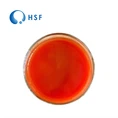

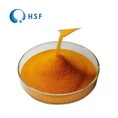
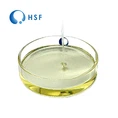
Character of Canthaxanthin
Canthaxanthin is a type of carotenoid that is commonly found in red and orange-pigmented fruits and vegetables, such as carrots, apricots, and papayas. It is also found in some types of microorganisms, such as certain types of algae and bacteria. Canthaxanthin has gained popularity as a food additive and dietary supplement due to its potential health benefits.
- One of the key features of canthaxanthin is its antioxidant properties. As an antioxidant, canthaxanthin helps to protect the body's cells against damage caused by harmful molecules called free radicals. This can reduce the risk of chronic diseases such as cancer, heart disease, and Alzheimer's disease.
- Canthaxanthin has also been shown to have anti-inflammatory effects. Inflammation is a natural response of the body to injury or infection, but chronic inflammation can lead to a range of health issues. Canthaxanthin has been shown to help reduce inflammation and can be used as a complementary therapy for conditions such as arthritis and irritable bowel syndrome.
- Other potential benefits of canthaxanthin include improved eye health and skin protection. Canthaxanthin has been found to protect the eyes against damage caused by blue light, which is emitted by electronic devices such as computers and smartphones. It may also help to reduce the risk of age-related macular degeneration, a common eye disease.
- In terms of skin protection, canthaxanthin has been found to help reduce the damage caused by UV radiation. This can help to prevent sunburn and reduce the risk of skin cancer.

Source and Production Method
Canthaxanthin is a carotenoid pigment that is produced by a wide range of microorganisms, fungi, algae, and some animals such as crustaceans, fish, and birds. The main source of canthaxanthin is the green micro-alga haematococcus pluvialis, which can accumulate canthaxanthin to high concentrations under stress conditions or during the stationary phase of growth.
Production of canthaxanthin from haematococcus pluvialis involves a two-step process; first, the alga is grown on a large scale in open ponds or closed photobioreactors. In the second stage, the algal biomass is harvested and subjected to cell disruption to release the pigment, which is then further purified for use as a food or feed ingredient.
Canthaxanthin can also be synthesized chemically through several methods such as the oxidation of β-carotene or the condensation of acetone and β-ionone. However, canthaxanthin produced through chemical synthesis is often less preferred than natural sources due to the presence of impurities and potential health risks.

Applications and Uses
Canthaxanthin is a carotenoid pigment that is commonly used as a food coloring additive. But beyond the food industry, this powerful antioxidant has a wide range of applications in various fields including medicine, animal feed, and other industries.
- The food industry has been using canthaxanthin as a coloring and flavoring agent for years. It provides an appealing reddish-orange hue to various foods such as salmon, trout, and flamingo feathers. It is also used in the production of functional food products such as sports drinks, energy bars, and dietary supplements.
- In the medical and healthcare industry, canthaxanthin has been found to have an effective protective effect against UV light when used in sunscreens. It has also been used as a dietary supplement to improve the skin’s resistance to environmental stressors and to maintain its overall health and appearance.
- In animal feed, canthaxanthin is commonly used as a feed additive for poultry, fish, and other livestock. This pigment enhances the color of these animals’ skin and flesh, making them more visually appealing to consumers. This, in turn, leads to higher demand and better profits for farmers.
Outside of these industries, canthaxanthin has also been used in the production of inkjet ink, paints, and other industrial products. It serves as a good natural colorant and is deemed safer for use than synthetic dyes.

Safety Evaluate
Canthaxanthin has been extensively evaluated for its safety, and no harmful effects have been observed so far. It has a low toxicity profile, even at high doses, and has not been associated with any significant adverse health effects. Therefore, it can be concluded that canthaxanthin is safe for human consumption and use in various products.
It has been assessed by various regulatory bodies around the world, including the European Food Safety Authority and the United States Food and Drug Administration, and has been deemed safe for use in food and cosmetic products.
Acute toxicity studies have been conducted on canthaxanthin, and the results indicate that it has a very low toxicity profile, with no significant adverse effects observed even at high doses. In animal studies, doses up to 5000 mg/kg body weight did not cause any adverse effects, indicating a low potential for acute toxicity.
Chronic toxicity studies have also been conducted to evaluate the long-term effects of canthaxanthin exposure. These studies found that even at high doses over a prolonged period of time, canthaxanthin did not cause any adverse effects on health or development.

How can we get it?
Canthaxanthin can be obtained from a variety of natural sources including algae, fungi, bacteria, crustaceans, salmonids, and some other fish. It can also be synthesized chemically.
If you are looking to purchase canthaxanthin, it is often sold as a dietary supplement or food color additive in health food stores, online retailers, and some grocery stores. It is important to consult with a healthcare professional before taking any dietary supplement.
If you are looking to use canthaxanthin for industrial or research purposes, you can typically purchase it from chemical suppliers or specialized distributors.
Want to get FREE SAMPLES, please contact our specialists at sales@healthfulbio.com.