


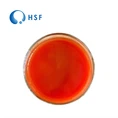

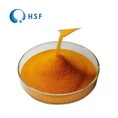
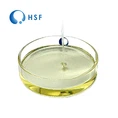
Zeaxanthin is a carotenoid with a hydroxyl group, which often coexists with lutein, β-carotene, cryptoxanthin, etc. to form a carotenoid mixture. Zeaxanthin is an orange-red crystalline powder with little or no odor.

What Is The Best Source of Zeaxanthin?
The human body cannot synthesize zeaxanthin on its own and must obtain it through food or supplements. Zeaxanthin, the main pigment in yellow corn, gets its name from its Latin scientific name. The content of zeaxanthin in corn kernels is about 0.1-9mg/kg. In nature, green leafy vegetables are the main dietary source of lutein, but the content of zeaxanthin is relatively small.
Food sources of zeaxanthin mainly include yellow corn, orange pepper, orange juice, honeydew melon, mango, raspberry, blueberry, peach, wolfberry, egg yolk, etc. The horny endosperm of corn contains a large amount of lutein, with a total content of about 11-30 mg/kg.
Zeaxanthin Benefits
1. Lutein and zeaxanthin are the only carotenoids found in the eye, in the macular area of the eye responsible for central vision. If the function of the macular area is not normal, the main visual function of the person will gradually degenerate and even become blind.
2. At the central point of the macular area, the incident light is the strongest and the reactive oxygen species are produced the most. The ability of carotenoids to scavenge reactive oxygen species mainly depends on the number of conjugated double bonds they contain, while zeaxanthin contains 11 conjugated double bonds, which is a better singlet oxygen scavenger and has higher antioxidant capacity .
3. Ultraviolet light is generally filtered by the cornea and lens, but blue light can penetrate the eyeball to the retina and macula. The macular pigments lutein and zeaxanthin in the lens and macular area can filter out blue light and prevent blue light from harming the eyes.
4. A large number of epidemiological studies have also shown that zeaxanthin has the effect of specifically absorbing the most destructive blue light to the retina, thereby protecting the cone cells in the fovea of the retina. It is a very effective blue light filter, which can effectively reduce oxidative damage to the retina and protect the eyes.