



Everyone is made up of cells. There are 40 trillion to 60 trillion cells in the human body. Lecithin is an important component of the cell membrane of so many cells. The health of each cell is inseparable from the integrity and firmness of the cell membrane. Lecithin is the phospholipid with the highest content in the human body. It is also an important component of nervous tissue. It is a high-level macronutrient, mostly concentrated in the human brain and nervous system, blood circulation system, immune system, heart, liver, lungs, kidneys, and other important organs. It is also listed alongside proteins and vitamins and is known as the "third nutrient".
 |
 |
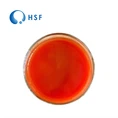
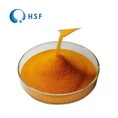
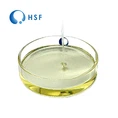
Sunflower lecithin liquid is mainly derived from sunflower seeds. It usually appears as a viscous liquid. It is a combination of phospholipids extracted from sunflower seeds through a mechanical and chemical-free process, so it is very pure. This extraction method ensures the naturalness of sunflower lecithin without adding any chemicals.
Sunflower lecithin liquid, also known as sunflower seed lecithin or sunflower lecithin, is obtained from cold-pressed sunflower oil through advanced physical extraction, refining, and purification processes. This liquid is rich in lecithin (PC), myophospholipids (PI), cephalin (PE) phosphatidic acid (PA), and other active ingredients, and has the dual functions of food additives and nutritional functional ingredients.
Applications of sunflower lecithin
In aquaculture: It helps to reduce cholesterol in shrimp bodies and improve the survival rate and conversion rate of larvae. It can improve the dispersion of fat in the digestive tract of animals to promote the utilization value of lipid feed, and at the same time benefit the quality of animal fur. If necessary, it can be used as a milk substitute for cowboys and piglets.
In feed processing: Spraying on the surface of the feed can significantly reduce dust, and can also assist in the granulation and extrusion of the feed.
Emulsification: Lecithin is used in various forms in food emulsions. It is usually combined with other emulsifiers and stabilizers to achieve emulsification. It can be used in margarine, candy, chocolate, quick-frozen foods, and baked goods such as bread.
Antioxidants: lecithin can significantly improve the antioxidant properties of rapeseed oil, sunflower oil, and soybean oil. Lecithin has a high antioxidant effect in the presence of Cu, Fe, Mn, and other ions.
 |
 |
Foaming agent: In fried products, the best emulsifier is lecithin. Its advantage is that it can maintain the required foaming ability for a long time while preventing food from sticking and coking, and it only makes fat The medium foams without noticeable splashing. At the same time, due to the foaming effect, the volume of the heat transfer medium is artificially increased, thereby significantly reducing the amount of fat used for cooking and frying food.
Growth promoter: Using deoiled lecithin can increase the fermentation speed of fermented products and can be used in the production of fermented foods. Such as bread and cake making. Adding lecithin can significantly increase the activity of yeast and lactococci.
Improve instant solubility: By adding lecithin and using lecithin with high polarity, large HLB value, and good hydrophilicity, the mutual repulsion between fat and water can be eliminated. It can help reduce the hydration of powders with too fast wetting and dispersion in liquids, which can greatly improve the instant solubility of powdered products, allowing them to achieve rapid redissolution and redispersion. At the same time, it can also reduce the risk of instant dissolution The impact of poor properties on the taste and aroma of the final product. In addition, because sunflower lecithin has excellent moisturizing properties, it can maintain the ideal moisturizing effect for a long time and also help extend the shelf life of the product.
In baked goods: Lecithin can also be widely used in baked goods containing chemical leavening agents, such as cakes and biscuits. It helps the balanced dispersion of fat, reduces the extension of protein, and prevents the formation of gluten to obtain a crisp, soft, and refreshing taste; at the same time, it can promote the mixing and mixing of raw materials. It can greatly reduce the time of mixing raw materials. It also has the function of mold release. Lecithin can strengthen the interaction between lipids and proteins in flour, partially emulsifying the oil, and the emulsified oil can be absorbed by gluten, making the gluten network more delicate and elastic, and improving the air-holding properties of the dough. It can expand due to heat during the baking process and gradually become fixed as the baking progresses, causing the central layer structure of the bread to form a porous sponge-like loose body, thereby increasing the volume of the bread. In addition, lecithin and fat combine to form an emulsion, which maintains the moisture in the bread, making the bread soft and loose, and plays a role in preserving freshness; after adding lecithin, the combination of fat and starch can delay the retrogradation of starch and plays a role in preserving the freshness of bread. Anti-aging effect.
 |
 |
In noodle products: Since lecithin is a substance that can improve the affinity between water and oil, it is highly applicable in foods processed with oil. As far as noodles are concerned, the representative noodle product using oil is instant noodles. When processing instant noodles, lecithin can be used to improve the affinity of raw materials for oil. However, after adding lecithin to cut noodles and cooked noodles that do not require the use of oil, it was unexpectedly found that it can change the texture of noodles. Specifically, it makes the noodles smooth, soft, and elastic and has a good effect on the "workability" during noodle processing. In addition, adding lecithin to fried noodles and Chinese soup noodles can make the noodles taste more delicious.
In ice cream and related products: Lecithin is generally used in ice cream mixtures to improve and increase foaming properties, form fine and stable bubbles, and increase the expansion rate of ice cream. It can control the growth of ice crystals, making ice cream small when freezing, giving ice cream a delicate texture and good dryness. It can also prevent lactose from re-crystallizing during ice cream storage and causing sanding. In addition, lecithin has a synergistic effect with casein and other stabilizers, thereby increasing the binding of free water and improving the softness of the product.
In cheese: spray low-viscosity lecithin on the surface of cheese. Due to its surface activity, it acts as a barrier between the interfaces of cheese slices, preventing the adhesion between cheese slices, making the above processing easier, and helping the cheese slices maintain their integrity.
In milk beverages: it can play an emulsifying, thickening, and stabilizing role and prevent stratification.
In foaming cream: adding lecithin significantly increases the whipping expansion rate and stability of cream.
In coffee whitener: liquid coffee whitener should maintain a uniform physical state during transportation and storage, without fat separation; no feather-like coagulation should be produced when adding hot coffee; and no fat separation should occur under repeated melting and freezing. It should have a viscosity similar to that of natural dairy products. If the viscosity is too high, it is not easy to disperse in coffee. Coffee must be whitened evenly. It has a refreshing and mild flavor, which is acceptable to most people.
In margarine: the use of lecithin makes emulsification easier and helps to form a W/O type emulsion. In addition, due to the sudden supercooling phenomenon, lecithin will delay the crystallization process of fat during the manufacture of margarine. Lecithin can play an antioxidant role in the storage of margarine and is also an anti-splash agent for margarine. In the production of margarine, lecithin not only plays an emulsifying and stabilizing role but also improves the spreadability of household margarine.
 |
 |
HSF Biotech's Sunflower Lecithin
HSF Biotech stands out in the market as a producer of premium liquid sunflower lecithin. Here's why:

Premium Ingredients: Our lecithin is crafted from top-notch sunflower seeds, which are naturally rich in unsaturated fatty acids and lecithin, guaranteeing both nutritional value and product purity.
Natural & Safe: Sunflower seeds, being a natural source, offer higher biocompatibility and safety compared to other sources.
Health Benefits Abound: Lecithin is essential for maintaining cellular structure, fostering brain growth, enhancing memory, and promoting cardiovascular health. Our liquid sunflower lecithin is readily absorbed, ensuring rapid delivery of these benefits to the body.
Advanced Manufacturing: We utilize cutting-edge extraction and purification methods to preserve the lecithin's optimal activity.
Rigorous Quality Assurance: Stringent production procedures and quality control mechanisms guarantee the consistency and safety of our products.
Versatile & Convenient: The liquid format of our lecithin makes it effortlessly blendable with food or beverages, offering consumers a seamless daily integration.
Customizable Options: We offer a range of specifications to cater to the varying needs of our customers.

For more details, please contact us:
Email: sales@healthfulbio.com
Whatsapp: +86 18992720900