





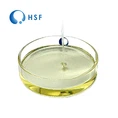
Conjugated linoleic acid (CLA) is an isomer of linoleic acid. It is a series of positional and geometric isomers of linoleic acid with double bonds at carbon 9, 11, or 10, 12. It is a new functional fatty acid. Using food-grade safflower seed oil as raw material, the linoleic acid in it is converted into conjugated linoleic acid through a conjugation reaction, which is a renewable resource. Conjugated linoleic acid uses food-grade lipase as a catalyst to esterify conjugated linoleic acid fatty acids with glycerol to produce conjugated linoleic acid glyceride.
 |
 |
CLA has obtained GRAS (generally recognized as safe) certification from the US FDA and is considered to be a natural, non-irritating ingredient that can be safely used in functional foods and beverages. In 2008, FSANZ (Food Standards Australia New Zealand) recognized CLA as a new resource of food. In January 2009, the Korean KFDA established CLA standards and specifications. In April 2010, the European Union EFSA announced that CLA is safe for use in food.
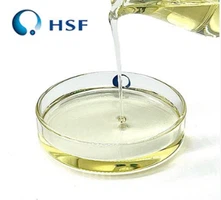
CLA is an essential fatty acid (cannot be synthesized by the human body) and belongs to the omega-6 family. Conjugated linoleic acid (glyceride) mainly appears as a clear light yellow oily liquid. It is another functional lipid substance with great application value after DHA and EPA.
The efficacy of CLA
1. Fat reduction
Research on the functions of conjugated linoleic acid has focused on fat reduction. Conjugated linoleic acid has been shown to affect receptors responsible for increasing fat-burning and glucose and lipid (fat) metabolism. Conjugated linoleic acid will play a role in inhibiting lipoprotein lipase (LPL), an enzyme involved in lipid metabolism (transferring fat to adipocytes, and storage sites). By reducing the activity of this enzyme, CLA leads to a reduction in the storage of body fat (triglycerides).
Secondly, it will play a role in the activation of lipolysis, a phenomenon in which lipids are degraded and then released as fatty acids and used to produce energy (burn). As with the first function, this mechanism leads to a reduction in triglycerides locked in fat storage cells. Finally, research emphasizes that CLA participates in accelerating the natural metabolism of fat cells. CLA can help reduce fat without losing weight, indicating that it can burn body fat while retaining lean muscle mass.
Clinical trials have proven that conjugated linoleic acid has a fat-reducing effect, especially for the legs and waist.

2. Reduce blood lipids and improve vascular health
According to a foreign patent, CLA can effectively play the role of "vascular scavenger", remove garbage from blood vessels, and effectively regulate blood viscosity. According to literature records, safflower has the effects of promoting blood circulation, dispersing blood stasis, relieving pain, regulating endocrine, and removing free radicals. Its seeds - safflower seeds (the source of CLA) are rich in essential fatty acids for the human body. Long-term use has clinical physiological effects such as reducing blood lipids, lowering blood pressure, and dissolving cholesterol. In the test population, 0.7-1.4g CLA was supplemented every day. After 4 weeks, body fat content, serum triglycerides, and serum total cholesterol all decreased. According to the results published at the annual meeting of the American Chemical Society in August 2000, patients with type 2 diabetes who supplemented their diet with 6g CLA every day for 8 weeks can reduce triglyceride levels and improve insulin secretion levels. It suggests that CLA may have the effect of preventing secondary atherosclerosis in patients with type 2 diabetes.
3. Enhance immunity
There are more basic studies on CLA on immune regulation and fewer studies on populations. The mechanism is mainly to regulate inflammatory factors by inducing lipid peroxidation. CLA improves immune-related responses in the following ways: regulating tumor necrosis factor-α, cytokines (interleukin 1, 4, 6, 8), prostaglandins, or nitric oxides while reducing allergic immune responses. Recent clinical research results have shown that CLA supplementation of 6g CLA per day for 12 weeks in patients with rheumatoid arthritis can reduce the production of pro-inflammatory factors such as TNF-α or nuclear factor-kB (NFκB).
From the above functions, it can be found that many of the effects of conjugated linoleic acid, such as fat loss and improving immunity, can play a role in sports supplements, but it cannot be used in sports nutrition foods. As a new food ingredient, its scope of application has clear regulatory requirements. The scope of use does not include sports nutrition foods or special dietary foods.
 |
 |
Applications of CLA
Due to its various physiological functions and effects, conjugated linoleic acid is widely used in many fields.
First of all, in the field of health food, conjugated linoleic acid can be added to various foods, such as dairy products, juices, health products, etc., to increase their nutritional value and functionality. The addition of CLA not only enriches the nutritional content of food but also helps people absorb this important fatty acid to meet the body's health needs.
Secondly, conjugated linoleic acid is also widely used in the pharmaceutical field. It can be used as an immunomodulator and has broad application prospects. A large number of scientific studies have proven that CLA has many important physiological functions such as antioxidants, lowering cholesterol and triglycerides, and anti-atherosclerosis. These functions make it have great potential in the field of medicine.
In addition, conjugated linoleic acid also has significant application effects in the field of beauty and health care. It can be used to produce beauty and health products, such as skin care products, weight loss products, etc. CLA is very similar to the fatty acids secreted by the human body's natural skin, helping to improve skin quality and shape good body curves. It can not only moisturize the skin and protect it from environmental damage but also improve skin elasticity and luster, showing anti-aging effects. At the same time, CLA can also prevent and treat skin damage and various skin diseases.
In addition to the above application fields, conjugated linoleic acid can also be used as an animal feed additive to improve animal growth performance, meat quality, and immunity.
 |
 |
Conjugated linoleic acid from HSF Biotech

HSF is a company specializing in the production of conjugated linoleic acid. Our CLA products may be suitable for many fields such as health foods, health products, nutritional supplements, etc. Whether it is a weight loss crowd, a fitness enthusiast, or the elderly, our CLA products can provide targeted nutritional support.

For more details, please contact us:
Email: sales@healthfulbio.com
Whatsapp: +86 18992720900