



New moms are often recommended to supplement their children with DHA to promote brain development. However, when it comes to making a purchase, they find that there are two types of DHA available: fish oil DHA and algae oil DHA. This leaves moms wondering about the differences between them and which one is more suitable for their children. In reality, in terms of DHA itself, there is no significant difference between DHA derived from fish oil and DHA derived from algae oil. However, there are some variations in terms of DHA content and other ingredients.
Different Source
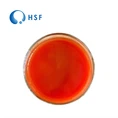
Fish oil is a general term for all oil substances found in fish. It is derived from the bodies of large marine fish and consists primarily of Omega-3 fatty acids, including DHA and EPA. Fish rich in Omega-3 fatty acids include tuna, salmon, sturgeon, mackerel, sardines, herring, anchovies, and trout. Approximately 1 gram of Omega-3 fatty acids can be obtained from every 100 grams of fish meat (actual values may vary). Considering the accumulation of heavy metals and environmental hormones in fish, smaller fish are generally less contaminated, such as salmon compared to sharks. Fish oil is obtained by refining the fat from fish, resulting in a yellowish to reddish-brown oily liquid with a strong fishy odor. Its main components are DHA and EPA, with an average DHA content of 12 grams and EPA content of 18 grams per 100 grams of natural fish oil products. The purity of Omega-3 is only around 20%.
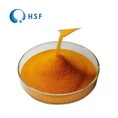
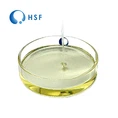
Algae oil, on the other hand, is produced through processes such as fermentation, separation, and purification using microalgae species like Schizochytrium, Ulkenia, and Crypthecodinium. It is a pale yellow to orange-colored oily liquid, and its main component is DHA. Algae oil typically has a DHA content of ≥ 35g/100g.

Different Forms and Absorption Rates
DHA exists in different forms, including triglyceride form, methyl ester form, ethyl ester form, and phospholipid form. DHA derived from fish oil and algae oil is in the triglyceride form, methyl ester form, and ethyl ester form, while DHA derived from egg yolk is in the phospholipid form.
Fungi are an important source of DHA. Taking fish oil DHA as an example, the DHA in fish is present in the form of triglycerides, but in relatively low amounts, typically ranging from 5% to 14%. In the early days, DHA on the market was extracted from fish oil or seaweed using organic solvents. The organic solvents used in the early days did not alter the structure of DHA. Therefore, the DHA extracted using organic solvents was in the natural form of triglyceride-type DHA, but the extraction efficiency was low.

In order to improve extraction efficiency and obtain higher levels of DHA, various methods have been invented, such as low-temperature fractionation, solvent extraction, urea complexation, molecular distillation, and supercritical gas extraction. Taking solvent extraction as an example, ethanol, fish oil, and sodium hydroxide are mixed in certain proportions and heated to saponify the fish oil. The resulting mixture is filtered under pressure to obtain soap liquor and soap pellets. Sulfuric acid is added to the soap liquor under agitation, and the upper layer of the crude fatty acid ethanol mixture is separated. The ethanol is then heated and recovered, followed by repeated washing with water to obtain refined fish oil with higher DHA content. This method significantly improves the efficiency of DHA extraction, but the resulting DHA is no longer in the natural form of triglyceride-type DHA but in the form of ethyl esters. Currently, a large portion of DHA products on the market are in the form of ethyl esters.
The structural differences of DHA have a significant impact on its digestion and absorption in the human body. Whether it is in the form of ethyl esters, methyl esters, or triglycerides, it is absorbed through passive diffusion in the body. The absorption rate of ethyl ester-type DHA is only about 20%, while the absorption rate of naturally occurring triglyceride-type DHA is much higher than that of ethyl esters, but still only around 50%.

Is It Necessary For Children to Take Extra DHA?
For full-term infants who are feeding normally after birth, there is no need for additional supplementation of DHA. However, for preterm infants with a relatively small gestational age, their DHA reserves in the body may be insufficient. Therefore, routine supplementation of DHA is beneficial for the brain and retinal development of preterm infants born at a younger gestational age. Hence, only preterm infants with a particularly young gestational age require additional DHA supplementation.
In addition, for infants who are born full-term and able to breastfeed normally after birth, additional supplementation is generally not necessary because breast milk is rich in DHA, especially if the mother consumes fish regularly. Currently, major formula milk brands in the market include added DHA. If the child is consuming formula milk, there is generally no need for additional DHA supplementation as long as the child is breastfeeding normally.
Pregnant Women Need More Supplements
Actually, it is the pregnant women who need to supplement DHA more than the children. This is because DHA optimizes the phospholipid composition of the fetal pituitary gland cells, especially after the fetus reaches five months of gestation. Artificial stimulation of the fetus's hearing, vision, and touch can cause an increase in dendrites in the sensory cortex of the fetal brain. Therefore, during this time, it is necessary for the mother to provide more DHA to the fetus, which means it is important to consume DHA during pregnancy.

HSF Biotech Algal DHA Oil
DHA algal oil, as a new resource food, possesses unique nutritional value, physiological functions, and high safety. HSF Biotech Company utilizes fermentation technology for DHA algal oil production, as well as best cultivation, extraction through supercritical technology, and molecular distillation techniques to ensure enhanced safety. Through continuous development and improvement in the application technology of DHA algal oil, HSF Biotech has significantly improved its solubility, stability, and other properties.

Want to get FREE SAMPLES, please contact our specialists at sales@healthfulbio.com.