


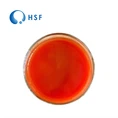
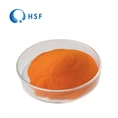
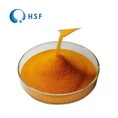

Allulose powder is a popular new sweetener that has been getting a lot of attention lately. In fact, there have been many glowing reviews lately claiming that it mimics the taste and texture of regular sugar, with only a fraction of the calories and carbs.
What's more, this popular sweetener has also been linked to a variety of health benefits. Not only can it promote weight loss and fat loss, but it can also help stabilize blood sugar levels, support liver health, and reduce inflammation throughout the body.
Let's take a look at what allulose is, its potential benefits and uses, and the risks and precautions to take.

What is allulose?
Allulose, also known as D-psicose, is a monosaccharide that occurs naturally in a variety of food sources, including figs, raisins, maple syrup, and brown sugar. It can also be produced commercially from corn and is found in a variety of processed foods.
It is estimated that about 70% of D-psicose is absorbed by the digestive tract and then excreted through the urine, rather than being used as energy or fuel for the body. Unlike many artificial sugars, it does not ferment in the intestines, which means it does not typically cause stomach issues such as gas or bloating.
Allulose sweetener products have surged in popularity among dieters looking to cut back on calories and added sugars. For example, allulose sweeteners are becoming more common because the sweetener is low in carbohydrates and has a minimal effect on blood sugar levels.
When considering the right amount of sugar to consume each day, know that allulose also contains only about 10% of the calories of the same amount of table sugar and is about 70% as sweet. For example, a 5-gram serving contains 5 grams of carbs and zero calories.
Is allulose really good for you?
Several studies have found that this popular sweetener may be associated with a variety of health benefits, from increased fat burning to reduced inflammation. Here are some of the potential health benefits of this sugar substitute.
1. Promotes Weight Loss and Fat Reduction
One of the biggest differences between allulose powder and sugar is the calorie content. In fact, allulose contains only 0.4 calories per gram, which is 90% fewer calories than sugar.
Reducing calorie consumption is an easy way to boost your weight loss efforts. When combined with regular exercise and a healthy, well-rounded diet, replacing table sugar with it can help you cut calories, which may promote weight loss.
A 2018 study published in the journal Nutrients included 121 overweight subjects aged 20 to 40. They were randomly divided into three groups: one group supplemented with sucralose (0.012 grams) twice a day, another group supplemented with 4 grams of allulose twice a day, and the third group supplemented with 7 grams of allulose twice a day.
After supplementing with allulose, both body fat percentage and body fat mass were "significantly reduced." The high-allulose group also had a reduction in abdominal and subcutaneous fat compared to the placebo group.
Meanwhile, previous animal model studies have shown similar results. For example, a 2013 Japanese animal model showed that giving allulose to rats on a high-sugar diet could inhibit weight gain and fat accumulation.
Another animal study in the International Journal of Food Sciences and Nutrition had similar findings, reporting that feeding mice allulose increased energy expenditure and reduced body fat. According to the study, allulose also changes the activity of certain enzymes involved in fat and carbohydrate digestion, which may also have a positive impact on weight loss.

2. Stabilize blood sugar levels
Some studies have shown that allulose can be a powerful tool to help better control blood sugar. Not only does allulose have a low glycemic index, meaning it doesn't affect blood sugar levels, but it can also protect the beta cells in the pancreas, which are responsible for insulin production.
A 2010 study found that consuming allulose with a meal significantly reduced blood sugar levels 30-60 minutes later. Other studies have shown that it can also reduce insulin levels, which may improve the body's ability to more efficiently transport sugar from the blood to cells.
A 2023 study in the Journal of Functional Foods showed that allulose added to sucrose can reduce post-meal glucose and insulin compared to sucrose alone. It also "attenuated the peak rise in glucose and insulin."
3. Support liver health
Although current research is mostly limited to animal models, some studies have found that allulose can reduce the storage of fat in the liver. This may help prevent fatty liver disease, a serious condition that can eventually lead to cirrhosis, or scarring of the liver.
An animal study published in the Journal of Food Science showed that supplementing with allulose reduced fat accumulation in the liver while also reducing body weight and fat mass. Another animal model in Seoul showed that allulose reduced cholesterol and triglyceride concentrations in the liver, which also helps to enhance liver health.
4. May Reduce Inflammation
Inflammation is a normal immune response our bodies use to help defend against infection. On the other hand, chronic inflammation can worsen symptoms of autoimmune diseases and may lead to serious conditions such as heart disease, cancer, and diabetes.
Some studies have shown that allulose may have powerful anti-inflammatory effects. Although it is not yet clear how this works, a recent 2020 study noted that allulose may interact with good bacteria in the gut to help relieve inflammation and reduce weight gain.
How to Use Allulose
Allulose tastes and textures similar to sugar, but is low in calories and carbohydrates, making it an easy alternative to regular sugar in many different products.
Cereals, snack bars, salad dressings, candies, puddings, sauces, and syrups are some of the most common sugary foods on the market today. You can also find this sweetener in other processed foods, including flavored yogurts, frozen dairy products, and baked goods, such as cookies, cakes, and pastries.
You can also choose to cook and bake with allulose, which is available online in granulated varieties. However, most allulose brands tend to be much more expensive than other sweeteners.
For example, when comparing allulose to erythritol, allulose costs almost twice as much per ounce as erythritol. Additionally, allulose doesn't taste as sweet as regular sugar, which means you need to use more to achieve the same sweetness.

HSF Biotech is a high-tech biotechnology company with R&D and innovation as its core. Since our establishment, we have been committed to providing systematic product solutions to customers in the field of nutrition and health around the world. We uphold the concept of "innovation serves a better life" and always take the attitude of a challenger to contribute to human health through continuous R&D and innovation of business models.

Assuming you're keen on getting more familiar with bulk Allulose Powder ingredients and other creative biotechnology items that can uphold your well-being and health objectives, make sure to out to us at sales@healthfulbio.com. Our group at HSF Biotech is committed to giving superior grades, and research-supported answers to assist you with accomplishing ideal well-being and execution.
For more details, please contact us:
Email: sales@healthfulbio.com
Whatsapp: +86 18992720900