


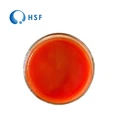

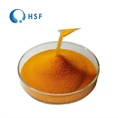

Fermented Green Tea Extract Powder is obtained by green tea through a symbiotic culture of bacteria and yeasts. Fermented green tea can produce highly absorbable polyphenols such as theaflavins. Post-fermentation heat treatment to ensure product microbial stability.

Tea contains more than 500 kinds of chemical components that are beneficial to the human body, such as tea polyphenols, tea polysaccharides, tea pigments, proteins, amino acids, carbohydrates and minerals, which have good nutritional value and pharmacological effects on the human body.
1. Polyphenols (tea polyphenols)
Polyphenols, also known as plant tannins, are secondary metabolites of plant phenolic substances with high content and complex structure.
Tea polyphenols are the general term for a class of polyhydroxy compounds contained in tea leaves, also known as tea tannins and tea tannins. Tea polyphenols account for about 20% to 35% of the dry weight of tea leaves, mainly including catechins and anthocyanins. , phenolic acids and flavonoids.
2. Amino Acid (L-Theanine)
Amino acids are the main nitrogen-containing substances in tea, containing carboxyl and amino groups, and are the basic units of protein. There are as many as 26 amino acids in tea leaves, which are easily soluble in water. Among them, theanine, glutamic acid and aspartic acid are higher in content. Theanine exists almost only in tea leaves, accounting for more than 50% of the amino acids in tea leaves.
L-Theanine can promote the formation of alpha brain waves, improve intelligence and memory, and also have a good effect on lowering blood pressure. Research by the American Academy of Medicine also shows that theanine can even increase the body's disease resistance by 5 times.
3. Alkaloids
Tea is rich in alkaloids, and the alkaloids found in tea are mainly purine alkaloids. Among them, the content of caffeine is the highest. At the same time, caffeine is an important substance that forms the flavor of tea. It dissolves easily in water. After dissolving in water, it combines with tea polyphenols to form polymer complexes.
4. Tea polysaccharide
Tea polysaccharide is a high molecular substance of acid polysaccharide or acid glycoprotein with good biological activity in tea, which is linked by monosaccharide and combined with protein.