



Ginger, a renowned spice and herbal remedy, is celebrated for its wide array of health benefits. It is available in various forms on the market, with Ginger extract powder and ginger powder being two of the most common. This often leads to a frequent question among consumers and manufacturers: Are ginger extract and ginger powder the same thing?
While both originate from the ginger root (Zingiber officinale), ginger extract and ginger powder are fundamentally different in their production, potency, and primary applications. Understanding these differences is key to selecting the right ingredient for your specific needs.
The Fundamental Difference: Production Process
The core distinction lies in how they are manufactured.
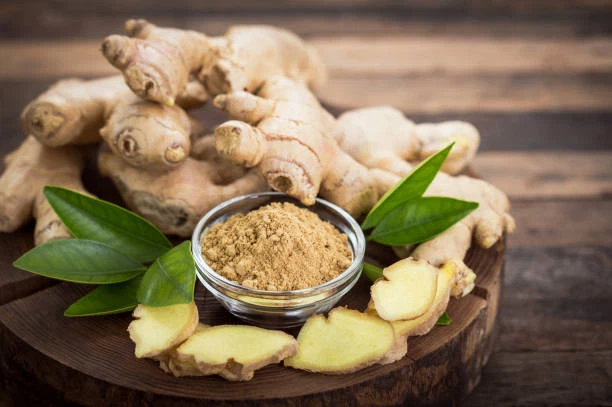
Ginger Powder is produced through a simple, mechanical process. Fresh ginger roots are first washed, peeled, and sliced. They then undergo a drying process to remove virtually all moisture. Finally, the dried ginger slices are ground into a fine powder. This powder is essentially the whole ginger root in a concentrated, dry form, containing all its inherent components, including fiber, starch, and active compounds.
Ginger extract powder, on the other hand, is produced through an extraction process. This involves using a solvent (like water or ethanol) to draw out the bioactive compounds from the ginger root. The solution is then concentrated, and sometimes spray-dried into a powder. This process is designed to isolate and amplify specific active components, such as gingerols and shogaols, which are responsible for ginger's potent anti-inflammatory and antioxidant properties.
A Comparison of Key Characteristics
To better illustrate the differences, here is a direct comparison:
| Feature | Ginger Powder | Ginger Extract |
|---|---|---|
| Production Method | Drying and grinding | Solvent extraction and concentration |
| Potency | Lower, less concentrated | Highly concentrated; standardized for potency |
| Primary Components | Whole ginger root, including fiber and starch | Concentrated bioactive compounds (e.g., gingerols) |
| Flavor & Aroma | Characteristic spicy, warm ginger flavor | Can be more potent and sometimes bitter |
| Color | Pale yellow to light brown | Often darker brown, depending on concentration |
| Primary Application | Culinary spice, seasoning, teas | Dietary supplements, functional foods, pharmaceuticals |
Choosing the Right Form for Your Needs
Your choice between ginger extract and ginger powder should depend on your intended use:
For Culinary Uses: Gingerol powder is the preferred choice. It is ideal for baking, cooking, making teas, and seasoning dishes where the classic ginger flavor and aroma are desired without overwhelming potency.
For Therapeutic & Supplement Use: Ginger extract is significantly more effective. Its standardized high potency makes it the form of choice for dietary supplements, capsules, and functional foods aimed at providing specific health benefits, such as reducing nausea, alleviating muscle pain, or supporting joint health. A small amount of extract can deliver a therapeutic dose equivalent to a much larger quantity of ginger powder.
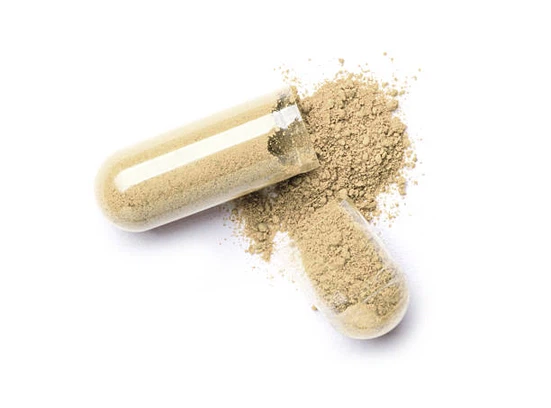
Why Ginger Extract Powder Is the Superior Choice
For manufacturers and brands aiming to develop effective health products, Ginger Extract Powder offers clear advantages:
Standardized Potency: Unlike raw ginger powder, our ginger extract is standardized to contain high levels of active compounds, ensuring every batch delivers reliable and measurable benefits.
Efficiency in Formulation: A small amount of ginger extract powder can provide the therapeutic equivalent of a much larger quantity of regular ginger powder. This makes it cost-effective and easier to incorporate into capsules, tablets, or powdered supplements.
Broad Application Range: Ideal for dietary supplements, functional food and beverage products, sports nutrition formulas, and even pharmaceutical preparations where consistent efficacy is critical.
Whether you're developing a supplement for digestive comfort, an anti-inflammatory formulation, or a general wellness product, ginger extract powder provides the scientific backing and performance that modern consumers expect.

Conclusion
In summary, ginger extract and ginger powder are not the same. Ginger powder is the whole, dried root ground into a culinary spice, valued for its flavor and mild benefits. Ginger extract is a concentrated form of the root's active compounds, engineered for maximum therapeutic potency in supplement and pharmaceutical applications. Recognizing this distinction ensures you can make an informed decision, whether you are spicing up a meal or formulating a high-potency health product.