



Beyond visible microbial spoilage, a more subtle yet pervasive enemy threatens our food: oxidation. When fats and oils in food react with atmospheric oxygen, they can become rancid; vibrant colors fade or brown; flavors deteriorate; essential vitamins are destroyed; and in some cases, harmful compounds can even form. This process of oxidative deterioration not only severely compromises food quality and nutritional value but can also pose risks to human health. To combat this, the strategic use of food antioxidants has become a proven and essential method for preserving the integrity and safety of our food supply.
Understanding the different types of antioxidants and how they work is key to selecting the right solution for your product.

Understanding the Different Types of Food Antioxidants
Food antioxidants can be systematically categorized to help identify the most suitable option for a specific application.
By Source: Antioxidants are classified as either synthetic, such as BHA and BHT, or natural, such as Tea Polyphenols and Phytic Acid, which are derived from plants.
By Solubility: This is crucial for application. Categories include oil-soluble (e.g., BHT), water-soluble (e.g., Vitamin C), and dual-soluble antioxidants that can function in both phases.
By Mechanism: Antioxidants work through various pathways, acting as free radical scavengers, metal chelators, oxygen scavengers, or enzyme inhibitors.

How Do Antioxidants Actually Work?
Antioxidants protect food through several sophisticated mechanisms that halt the chain reaction of oxidation.
Inhibiting Lipid Oxidation: The rancidity of oils and fatty foods is often driven by a free radical chain reaction. Phenolic antioxidants, both natural and synthetic, are highly effective at donating a hydrogen atom to stabilize these free radicals, thereby stopping the chain reaction in its tracks and preserving the quality of the oil.
Preventing Enzymatic Browning: Fruits and vegetables often brown when cut due to the enzyme polyphenol oxidase. Antioxidants like ascorbic acid (Vitamin C) work by scavenging the available oxygen, effectively putting a halt to the browning process and maintaining the fresh, appealing appearance of the produce.
The Growing Focus on Natural Antioxidants
Driven by consumer demand for cleaner labels and concerns over synthetic additives, the food industry is increasingly turning to safe and effective natural alternatives. The variety and application of permitted natural antioxidants are expanding rapidly, with significant growth in the use of ingredients like Tea Polyphenols, Phytic Acid, and Rosemary Extract.

Spotlight on Key Natural Antioxidants
Vitamin C (Ascorbic Acid): A powerful, water-soluble antioxidant and oxygen scavenger widely used to prevent browning in fruits and to protect flavor and color in beverages.
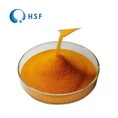
Tea Polyphenols (TP): Predominantly composed of catechins, TP exhibits strong antioxidant activity. Its key component, Epigallocatechin gallate (EGCG), possesses exceptional reducing power. Its efficacy is notable at higher temperatures, and it works synergistically with other antioxidants.
Phytic Acid (PA): A powerful natural chelator, Phytic Acid effectively binds to pro-oxidant metal ions that catalyze oxidation. It is excellent for preventing oil rancidity and discoloration in seafood and canned goods.
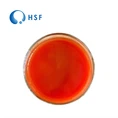
Rosemary Extract: A highly valued natural antioxidant, known for its active compounds like carnosic acid. It is not only effective against oxidation and microbial growth but is also remarkably heat-stable, maintaining its activity even at high processing temperatures up to 240°C. This makes it exceptionally suitable for fried foods, oils, and baked goods.

Leveraging Nature's Power for Food Preservation
As the industry moves decisively towards cleaner labels, the strategic use of high-performance natural antioxidants is no longer an option but a necessity. At HSF Biotech, we are committed to providing advanced, natural antioxidant ingredients designed to meet this very demand.
Our portfolio includes highly effective and stable solutions like our Rosemary Extract, renowned for its superior heat resistance, and our Tea Polyphenols, which offer powerful, synergistic antioxidant activity. By choosing our scientifically-backed natural ingredients, you can effectively extend the shelf life, maintain the superior quality, and ensure the safety of your food products, all while aligning with the modern consumer's preference for natural and wholesome ingredients.