


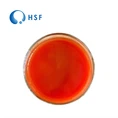

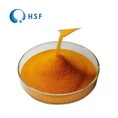
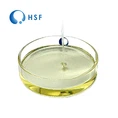
Definition & Source of Lutein
As we age, our vision can start to decline, leading to various eye diseases such as cataracts, macular degeneration, and glaucoma. Fortunately, there are many ways to maintain and improve eye health, including a diet rich in nutrients such as lutein.
Lutein is a natural pigment and antioxidant found in many fruits, vegetables, and other foods. It belongs to a group of chemicals called carotenoids, which are responsible for the bright colors of many plants. Lutein is particularly important for eye health, as it helps protect against damage from blue light and oxidative stress. It may also have other beneficial effects on the body, such as reducing inflammation and lowering the risk of heart disease.
Lutein is a natural antioxidant and carotenoid that is beneficial for eye health. Here are some sources of lutein:
- Dark leafy greens: Spinach, kale, collard greens, and Swiss chard are all excellent sources of lutein.
- Broccoli: This cruciferous vegetable is not only high in fiber and vitamin C, but it also contains lutein.
- Eggs: The yolk of an egg contains lutein, so adding eggs to your diet can help increase your intake of this nutrient.
- Corn: Yellow corn is particularly high in lutein, so consider adding it to your salads, soups, or stir-fries.
- Marigold flowers: These flowers are naturally high in lutein and are often used in supplements.
- Orange fruits and vegetables: Mangoes, papayas, orange peppers, and carrots are all good sources of lutein.
- Nuts and seeds: Pistachios, almonds, and flax seeds all contain lutein.
Remember to consume a variety of these sources to ensure you are getting enough lutein in your diet.

Application of Lutein
Lutein is a carotenoid vitamin found in high concentrations in the eye. It is a powerful antioxidant that helps protect the eyes from damage caused by free radicals, which can be harmful to the eyes. Here are some of the functions of lutein and how it protects the eyes:
- Filters Blue Light: Lutein helps filter out blue light, which can damage the retina and lead to macular degeneration.
- Reduces Glare Sensitivity: Lutein has been found to reduce glare sensitivity, which can improve vision in bright light.
- Improves Visual Acuity: Lutein also helps improve visual acuity, which is the sharpness of vision.
- Prevents Macular Degeneration: Lutein helps prevent age-related macular degeneration, a serious condition that can cause blindness.
- Protects the Retina: Lutein also protects the retina by reducing oxidative stress, which can damage the cells of the retina.
Lutein is an important nutrient for maintaining healthy eyes and preventing vision loss.
How to protect human eyes?
Lutein is an antioxidant and carotenoid that protects the eyes from harmful blue light and oxidative stress. Blue light is the high-energy, short-wavelength light that is emitted by digital screens, LED lights, and the sun. Overexposure to blue light can damage the retina and lead to age-related macular degeneration (AMD).
In contrast, lutein absorbs blue light and neutralizes free radicals, preventing damage to the eyes. The macula, which is located in the center of the retina and is responsible for sharp, central vision, contains high levels of lutein and zeaxanthin, another carotenoid that is similar to lutein.
Research has shown that consuming foods that are rich in lutein and zeaxanthin, such as leafy greens, eggs, and citrus fruits, can increase the density of these pigments in the macula and improve visual function. Additionally, lutein supplements may benefit people who are at risk for AMD or have early stages of the condition.

Specification of Lutein in the market
Lutein is a carotenoid that is found in high concentrations in some green vegetables, including spinach, kale, and broccoli. It is known for its antioxidant properties and is often used as a supplement to support eye health. Lutein is commonly available in oil or powder form.
- Lutein oil is typically extracted from marigold flowers, which have a high concentration of lutein. The oil is often used as a dietary supplement to promote eye health, and may also be used in cosmetics or personal care products. Lutein oil may be standardized to a specific concentration of lutein, typically ranging from 20% to 50%. It may be packaged in capsules or bottles.
- Lutein powder may also be extracted from marigold flowers and is often used in dietary supplements or functional foods. It may be standardized to a specific concentration of lutein, typically ranging from 5% to 20%. The powder may be used in capsules, tablets, or powdered drink mixes.
When purchasing lutein supplements, it is important to choose a reputable brand that has been third-party tested for purity and potency. The appropriate dose of lutein varies depending on individual needs and health conditions, so it is important to follow the instructions on the product label or consult with a healthcare professional.

Benefit of Lutein
Lutein has several potential health benefits, some of which include:
- Eye Health: Lutein helps to protect the eyes from harmful blue light, which is a type of light that is emitted from digital screens and can cause eye strain, fatigue, and damage. Lutein also helps to reduce the risk of age-related macular degeneration, which is a leading cause of vision loss for people over 50 years.
- Skin Health: Lutein has antioxidant properties that help to protect the skin from damage caused by UV rays, pollutants, and other environmental stressors. This can improve skin hydration, elasticity, and firmness, reducing the signs of aging.
- Cognitive Function: Lutein has been shown to improve cognitive function and protect the brain from age-related cognitive decline.
- Cardiovascular Health: Lutein can help to lower cholesterol levels and improve blood flow, reducing the risk of heart disease and stroke.
It is known to accumulate in the macula of the eye, which is a small, highly sensitive area in the retina responsible for sharp and detailed vision. lutein is an important nutrient for maintaining healthy eyes and preventing age-related vision problems.

Want to get FREE SAMPLES, please contact our specialists at sales@healthfulbio.com.