



Brief overview of astaxanthin and its uses in various industries
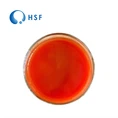
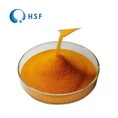
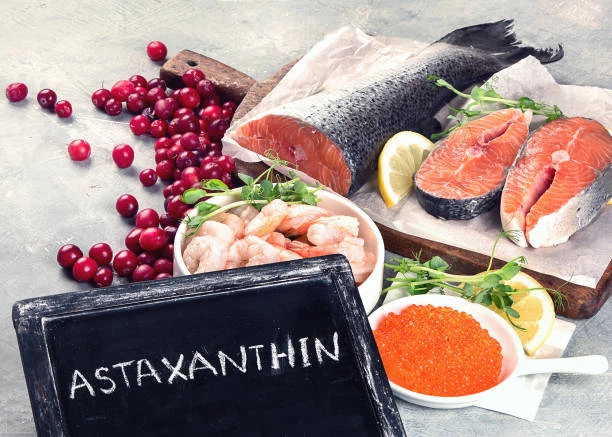
Astaxanthin is a naturally occurring carotenoid pigment with a reddish-orange color. It is found in various seafood and marine organisms, such as salmon, shrimp, and krill. Astaxanthin is known for its powerful antioxidant properties and has been studied for its potential health benefits, including reducing inflammation, improving cardiovascular health, and enhancing immune function. It is also commonly used in the cosmetics industry as an anti-aging ingredient due to its ability to promote skin health and elasticity.
- In the food and beverage industry, astaxanthin is used as a natural coloring agent for a variety of products, including fish and seafood, dairy products, fruit juices, and nutritional supplements. Astaxanthin is also used in the animal feed industry to enhance the color and nutritional value of fish and poultry.
- In the cosmetic and skincare industry, astaxanthin is known for its ability to protect the skin from sun damage and reduce the appearance of fine lines and wrinkles. It is often used in anti-aging creams and serums, as well as in sunscreens.
- Astaxanthin has also been studied for its potential benefits in the healthcare industry, particularly in the treatment of cardiovascular disease, inflammation, and eye health. Preliminary studies have suggested that astaxanthin may be effective in reducing the risk of heart disease and improving cognitive function in older adults.
The high price point of Astaxanthin
Astaxanthin can be quite expensive compared to other supplements. This is because it is a powerful antioxidant and is derived from natural sources such as microalgae, which can be difficult and expensive to cultivate. Additionally, the extraction and processing of astaxanthin can also be costly. However, many people believe that the potential health benefits of astaxanthin make it worth the investment.
Astaxanthin production can be done through several methods, including chemical synthesis, microalgae cultivation, and fermentation. However, the natural source of astaxanthin is microalgae, specifically from the Haematococcus pluvialis species.
The production process of astaxanthin from Haematococcus pluvialis involves the following steps:
- Cultivation: The microalgae are grown in large open or closed systems, usually in freshwater or seawater. The cultivation conditions, such as light intensity, temperature, and nutrient availability, are optimized to promote astaxanthin accumulation.
- Stress induction: In order to increase astaxanthin production, the microalgae are subjected to certain stress conditions such as high light intensity, low temperatures, nutrient deprivation, or other environmental factors.
- Harvesting: After the microalgae reach the desired concentration and astaxanthin content, they are harvested. Different harvesting methods can be used, such as centrifugation, flocculation, or filtration.
- Extraction: Astaxanthin is extracted from the microalgae using various solvents or extraction methods such as soxhlet, supercritical fluid, or liquid-liquid extraction. The extracted astaxanthin is then purified and concentrated.
- Formulation: Depending on the intended use, astaxanthin can be formulated into different products such as capsules, tablets, or soft gels. The formulation can also include other ingredients such as antioxidants or carrier oils to enhance its stability and bioavailability.

Market Demand and Supply of Astaxanthin
Astaxanthin has become a highly sought-after antioxidant in recent years due to its numerous health benefits ranging from reducing inflammation to improving heart health. With its rising popularity, it is important to understand the market demand and supply for astaxanthin.
The main consumers of astaxanthin are primarily in the health and wellness industry, such as supplement manufacturers, cosmetics companies, and food and beverage manufacturers. These companies use natural astaxanthin in their products to provide added health benefits.
However, the supply of natural sources of astaxanthin is limited. The primary natural source of astaxanthin is the microalgae Haematococcus pluvialis, which is difficult to cultivate and extract. This limited supply leads to high demand and consequently high prices for natural sources of astaxanthin.
To address the demand-supply gap, synthetic astaxanthin has been introduced as a more cost-effective alternative. Although synthetic astaxanthin can mimic the health benefits of natural astaxanthin, its impact on market prices is significant. Synthetic astaxanthin is significantly cheaper, causing an increase in market competition and consequently lower prices for both synthetic and natural astaxanthin.
The market for astaxanthin is experiencing high demand primarily from the health and wellness industry, but a limited supply of natural sources has created challenges in meeting customer needs. The introduction of synthetic astaxanthin has improved the accessibility and affordability of this valuable antioxidant, further boosting the market growth.

Benefits and Health Claims
One of the potential benefits of astaxanthin is its ability to protect the skin from UV damage. A 2017 study found that astaxanthin supplementation reduced the appearance of age spots and improved skin elasticity in healthy middle-aged women. Another study in 2018 showed that astaxanthin taken orally for six months improved skin hydration and texture in healthy adults.
Astaxanthin has also been shown to improve cardiovascular health. A study published in 2018 found that astaxanthin supplementation improved blood lipid levels and decreased oxidative stress in overweight and obese adults. Another study demonstrated that astaxanthin supplementation improved endothelial function, which plays a vital role in regulating blood pressure and preventing cardiovascular disease.
Astaxanthin may also improve joint health. A study conducted in 2018 found that astaxanthin supplementation reduced pain and improved joint function in people with knee osteoarthritis. Astaxanthin is believed to have anti-inflammatory effects, which may help reduce joint pain and inflammation.
Lastly, astaxanthin has been shown to have neuroprotective properties. A review of studies published in 2018 concluded that astaxanthin may be beneficial in preventing or treating neurodegenerative diseases such as Alzheimer’s and Parkinson’s.

Astaxanthin is a powerful antioxidant with numerous health benefits. Its potential to protect the skin from UV damage, improve cardiovascular health, reduce joint pain, and have neuroprotective effects make it an interesting and promising supplement. While more research is needed, astaxanthin supplementation may be a natural and effective way to enhance overall health and well-being.
Want to get FREE SAMPLES, please contact our specialists at sales@healthfulbio.com.