


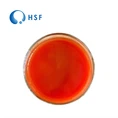
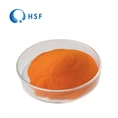
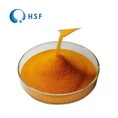
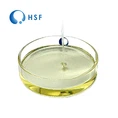
High cholesterol is a prevalent health concern worldwide which increases the risk of heart disease, stroke, and other chronic conditions. Though cholesterol is essential for proper nerve and cell functioning, too much of it can be detrimental to health. Unhealthy dietary choices, lack of exercise, and genetics are the leading contributors to high cholesterol rates among people of all ages. Studies indicate that up to one-third of all adults have high levels of cholesterol in their blood. In this regard, incorporating plant sterols in the diet can help block cholesterol absorption and reduce LDL levels.

High Risk Of High Cholesterol
High cholesterol can have a significant impact on our health. It is a type of fat that is found in our blood and is essential for many bodily functions. However, excessive amounts of cholesterol can lead to serious health problems.
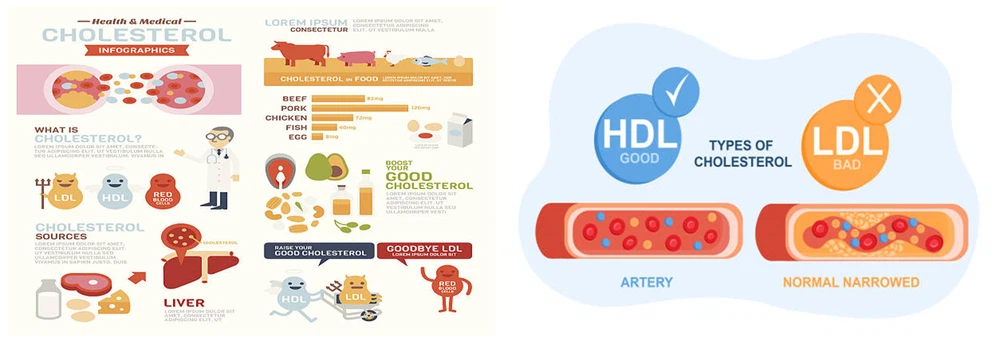
One of the main health risks associated with high cholesterol is heart disease. When there is too much cholesterol in our blood, it can form plaque on the walls of our arteries, which can cause them to narrow and harden. This can lead to high blood pressure, heart attacks, and strokes.
High cholesterol can also lead to peripheral artery disease, which affects the blood vessels outside of the heart and brain. This can cause pain and numbness in the legs and feet, and in severe cases, can lead to amputation.
Another health risk associated with high cholesterol is gallstones. Cholesterol can contribute to the formation of gallstones, which are hard deposits that can block the flow of bile from the gallbladder.
Finally, high cholesterol can increase the risk of diabetes. When there is too much cholesterol in our blood, it can cause insulin resistance, which can lead to type 2 diabetes.

Plant Sterols Beat Cholesterol
Plant sterols are natural active substances present in plants, and are important components of plant cell membranes. They are most abundant in plant oils, nuts, seeds, grains, and legumes, with up to 250 species. Although their chemical structure is similar to cholesterol, their actions are entirely different. They not only inhibit the absorption and synthesis of cholesterol but also increase cholesterol reverse transport and excretion, and interfere with the absorption and synthesis of glycerides. In short, plant sterols compete with bad cholesterol. During the process of digestion, intestinal absorption, and even entry into cells, plant sterols compete with bad cholesterol and have to be left aside by the body.
Numerous studies have shown that consuming plant sterols can significantly lower LDL (bad) cholesterol levels. In one study, participants who consumed a plant sterol-enriched margarine for four weeks experienced an average 10% reduction in LDL cholesterol levels compared to those who consumed a regular margarine. Another study found that daily consumption of plant sterols reduced LDL cholesterol levels by up to 14.5%.
Plant sterols can be consumed through a variety of foods and dietary supplements. Some common sources of plant sterols include vegetable oils, nuts, seeds, fruits, and vegetables such as spinach and broccoli. Plant sterol supplements are also available in capsule or tablet form, although it is always best to obtain nutrients through whole foods whenever possible.
In addition to lowering cholesterol levels, plant sterols may have other health benefits as well. For example, some studies have suggested that plant sterols may help reduce the risk of certain types of cancer, including prostate and breast cancer. Other studies have shown that plant sterols may improve immune function and reduce inflammation. In cosmetics and personal care products, plant sterols are used for their moisturizing and anti-inflammatory properties. They also have antioxidant properties, which make them excellent at fighting off free radicals that can damage the skin. HSF Biotech Company has launched plant sterols from pine and soy sources in response to market demand.
Recognition of plant sterols by other countries
In recent years, plant sterols have gained increasing attention among consumers and researchers alike for their potential health benefits. As a result, several countries have established certification programs for products containing plant sterols and their associated health claims.
- National Cholesterol Education Program (NCEP) in the United States. This program has approved the use of plant sterol esters in foods as part of a cholesterol-lowering diet. Foods that use this type of ingredient can now legally carry a health claim stating that they may reduce the risk of heart disease.
- European Union has established health claims for plant sterols. Products that contain at least 1.5 g of plant sterols per daily serving can now carry a health claim stating that they contribute to the maintenance of normal cholesterol levels.
- In Canada, the Health Canada agency has recognized that plant sterols can help lower cholesterol levels. Products that contain at least 0.8 g of plant sterols per daily serving can now carry a health claim stating that they can help reduce cholesterol.
- In Japan, a unique certification program exists for plant sterol products. This program is called the Food for Specified Health Uses (FOSHU) and products that meet certain criteria can carry a health claim on the package. One such claim is that plant sterols can help reduce the absorption of dietary cholesterol.
- In Australia, there is a certification program called the Heart Foundation Tick. Products that meet certain criteria for heart-healthy nutrition can use this certification on their packaging. One of the criteria is that the product contains at least 0.6 g of plant sterols per daily serving.

HSF Bitoech Produces Plant Sterols Protect Human Health
The efficacy of plant sterols primarily depends on their total intake. According to research, the amount of plant sterols consumed by the general population from their diet differs significantly from the amount required for optimal activity. Thus, an additional intake of 2-3g of plant sterols per day is necessary. Based on this situation, HSF Biotech Company has launched plant sterols targeting people with three high conditions (high blood pressure, high blood sugar, and high blood lipids) and unhealthy diets. The product is derived from soybean and pine, utilizing physical crystallization techniques to achieve a purity of over 98%. With the improvement of health awareness and the popularization of related nutritional knowledge, plant sterols are believed to become a healthier choice for more consumers.
High cholesterol is a growing concern that must be addressed. A combination of healthy lifestyle choices and, in some cases, medication may be necessary to manage cholesterol levels. As always, it is essential to consult with a healthcare professional to determine the best course of action tailored to specific health needs.

Want to get FREE SAMPLES, please contact our specialists at sales@healthfulbio.com.