


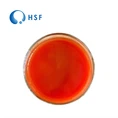

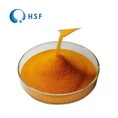
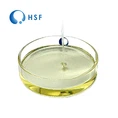
Plant sterols, also known as phytosterols, are a type of steroid compound that is widely found in vegetables, fruits, legumes, nuts, grains, and other plants. They possess outstanding functions such as lowering cholesterol, antioxidant, anti-inflammatory, inhibiting the proliferation of cancer cells, repairing skin barrier, and soothing skin, and are commonly used in food health, cosmetics, medicine, agriculture, and animal husbandry. However, plant sterols are poorly soluble in both water and oil, greatly limiting their application. Therefore, researchers generally choose to synthesize plant sterol esters that are more soluble in the oil phase before applying them.
Two main methods for synthesizing plant sterol esters
Currently, there are two main methods for synthesizing plant sterol esters: chemical synthesis and enzyme-catalyzed synthesis.
Chemical synthesis involves the use of chemical reactions to create the ester bond between the plant sterol and an alcohol molecule. This method requires the use of toxic organic solvents, and the reaction conditions must be carefully controlled to prevent unwanted side reactions. Chemical synthesis is a complex and costly process, and it may result in the formation of undesired byproducts that can affect the purity and quality of the final product.
Enzyme-catalyzed synthesis involves the use of enzymes, such as lipases, to catalyze the esterification reaction between the plant sterol and an alcohol molecule. This method is considered to be more environmentally friendly and more efficient than chemical synthesis. Enzyme-catalyzed synthesis allows for greater control over reaction conditions and can produce higher yields of pure plant sterol esters. However, the cost of using enzymes can be high, and the reaction time may be more prolonged compared to chemical synthesis. In summary, both chemical synthesis and enzyme-catalyzed synthesis have advantages and disadvantages in the synthesis of plant sterol esters, and the choice of method depends on the desired product quality, yield, and cost considerations.

Plant Sterols (esters) structural features
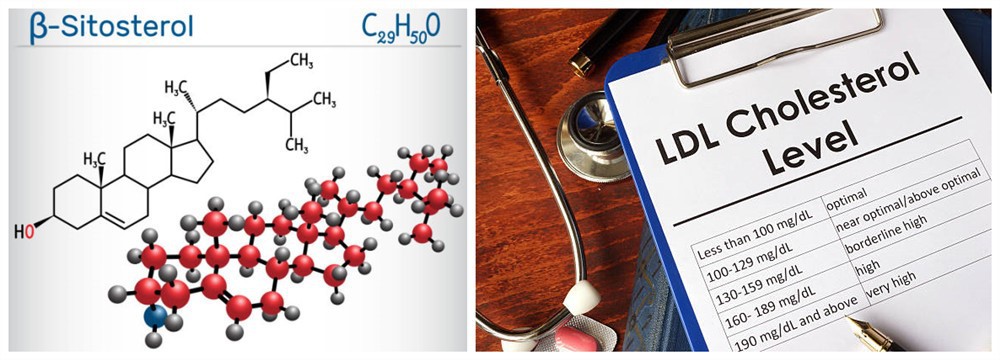
Plant sterols (esters) have unique structural features that distinguish them from other biomolecules. They are composed of a four-ring structure, known as the steroid nucleus, which is composed of three cyclohexane rings and one cyclopentane ring. The position of the methyl and ethyl groups on the rings differs from that of cholesterol, which is the main sterol found in animal tissues. Because of their planar structure, plant sterols (esters) have high structural rigidity, which makes them resistant to both enzymatic and chemical degradation.
In addition, plant sterols (esters) have a hydroxyl group at position C3, and some also have a double bond at positions C5 and/or C7. These structural features play an essential role in the biological activities of plant sterols (esters) and their beneficial effects on human health.
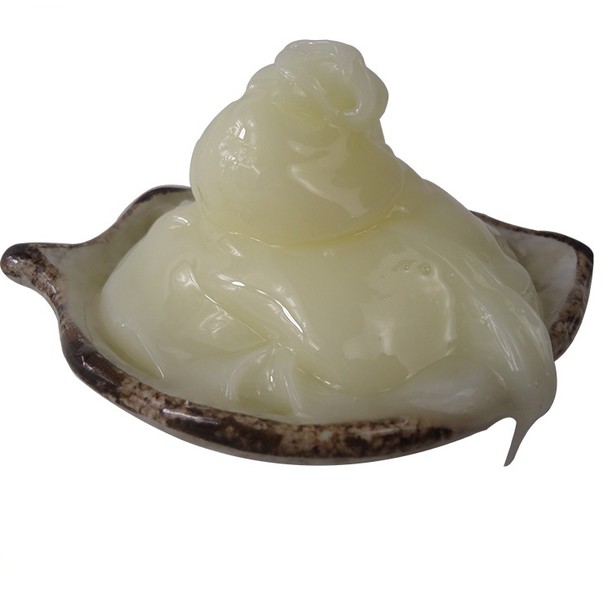
Plant sterol esters are popular ingredients in cosmetics and skincare products
1. Applied in skincare, plant sterols (esters) have significant effects on skin health. They can inhibit skin inflammation, repair the skin barrier, alleviate skin itching, repair skin sensitivity, retard skin aging, improve skin elasticity, and reduce skin roughness. The mechanism of repairing the skin barrier function is as follows: The cell membrane contains phospholipids, glycolipids, sterols, and some proteins. When the sterol content in the cell membrane exceeds 10%, sphingolipids and sterols interact with proteins and lipids to form a lipid raft structure. Lipid rafts affect membrane stability, membrane fluidity, and membrane protein transport, among other functions. Plant sterols can exchange positions with cortisol, replace it, or supplement the vacancy created by physiological decline, thereby restoring the skin's stable state.

2. Applied in hair care, adding plant sterols to shampoos and conditioners can provide soft and shiny hair, reduce dryness, and even prevent hair loss. While there is not much research on the anti-hair loss effects of plant sterols, there is theoretical potential for them to prevent hair loss. The underlying theory is as follows: There are many factors that can cause hair loss, such as androgens, transforming growth factor TGF-β2, prostaglandin D2, etc. The most significant factor is androgens, which are converted from cholesterol by enzymes. Testosterone is converted by 5α-reductase into dihydrotestosterone (DHT), which is known to cause hair loss through various mechanisms.
Firstly, DHT binds to androgen receptors and affects transcription processes. Secondly, DHT upregulates the synthesis of TGF-β2 in the dermal papilla, which induces the synthesis and activation of caspase, causing cell apoptosis and leading to an earlier catagen phase and a shorter anagen phase. Thirdly, the binding of DHT to androgen receptors interferes with the Wnt/β-catenin pathway, hindering the release of beneficial hair growth factors such as Wnt10b and releasing immune-inflammatory factors such as interleukin-6, affecting the growth and communication of keratinocytes and fibroblasts around the hair follicles.
Plant sterols can reduce cholesterol levels and inflammation, and promote the proliferation of fibroblasts around the hair follicles. These factors provide theoretical possibilities for the prevention of hair loss by plant sterols.

3. Applied in cosmetic products. Plant sterols and their esters can enhance texture and shine. They are commonly used in cosmetics such as lipsticks, powders, and mascaras.

HSF Biotech Plant sterol (esters)
The Cosmetic Ingredient Review (CIR) has reported on 26 plant sterols and plant sterol esters that can be used in cosmetics. These ingredients are used as skin conditioners, hair conditioners, viscosity agents, skin protectants, antioxidants, preservatives, and fragrances in cosmetics. However, these compounds exhibit poor solubility and have a high melting point, which limits their biological availability and practical application. Therefore, HSF Biotech Company's various physical and chemical modifications have been made to improve their properties, with esterification being the most commonly used method.
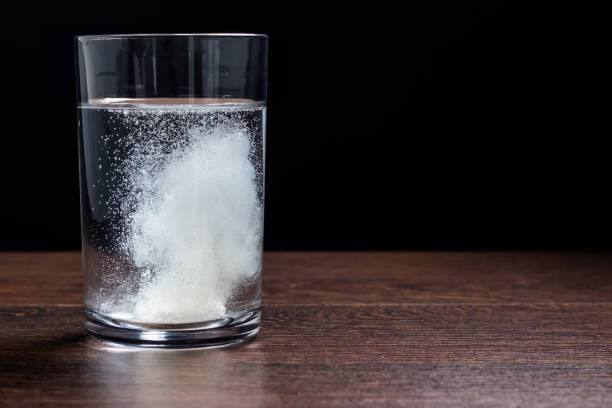
HSF Biotech is proud to produce high-quality plant sterols (esters) and microencapsulated powders that have a wide range of applications in various industries. Our plant sterol (ester) products have been widely adopted in the food, cosmetic, and pharmaceutical industries as functional ingredients, due to their cholesterol-lowering, anti-inflammatory, and antioxidant properties.
Over the years, HSF Biotech has developed partnerships with leading companies in the food, beauty, and healthcare sectors, providing them with reliable and high-quality plant sterol (ester) products to meet their unique needs.
In addition, HSF company has made significant strides in the development of microencapsulated plant sterol (ester) powders. This innovative technology involves encapsulating plant sterols (esters) in a protective coating, which improves their stability, solubility, bioavailability, and functionality.
Furthermore, they have applications as functional ingredients in personal care products, such as creams, lotions, and shampoos.
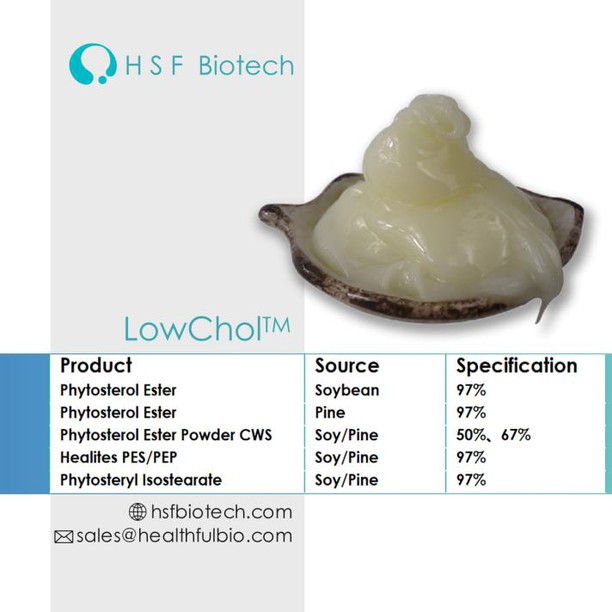
HSF Biotech is excited about the expanded applications of our plant sterol (ester) and microencapsulated powder products, and we are committed to continuing to innovate and develop new technologies that will lead to even broader applications for these valuable compounds.
Want to get FREE SAMPLES, please contact our specialists at sales@healthfulbio.com.