


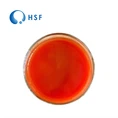

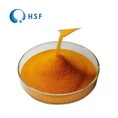

Vitamins are trace organic molecules that play an important role in the metabolism of dogs and cats. The types of vitamins required for the metabolism of dogs and cats are divided into fat-soluble vitamins and water-soluble vitamins. The lack or excess of a certain vitamin will cause adverse reactions.
In pet food, the addition of vitamins is the key to ensuring that pets get enough vitamins. According to the age, breed, health status, and nutritional needs of the pet, pet food manufacturers will accurately calculate and add the right amount of vitamins to ensure that the pet food is nutritionally balanced. At the same time, to maintain the activity and stability of vitamins, manufacturers will also take a series of measures, such as adding antioxidants and using appropriate packaging materials.
 |
 |
Vitamin requirements for cats and dogs
Vitamin A contains retinol, retinal, and retinoic acid, among which retinol has the highest activity. Vitamin A can mainly protect the vision of dogs and cats, promote bone growth, and also has a great effect on the reproductive function of animals and the growth and development of epidermal tissue. If cats and dogs lack vitamin A in their bodies, they are prone to night blindness, which will have a greater impact on cats with poor vision. Dogs can convert carotene in their bodies into vitamin A, but cats cannot, so cats can only directly eat foods containing vitamin A to supplement their body needs.
 |
 |
When supplementing vitamin A for dogs and cats, it is also important to use an appropriate amount, because excessive vitamin A can cause abnormal bone development in animals. According to the nutritional standards of AAFCO, the content of vitamin A in dog food should be 5000-250000 IU/KG. The content of vitamin A in cat food should be 6668-333300 IU/KG (kittens and breeding cats) and 3332-333300 IU/KG (adult cats).
B vitamins mainly include vitamin B1 (thiamine), B2 (riboflavin), B3 (niacin), B4 (choline), B5 (pantothenic acid), B6 (pyridoxine), B7 (biotin, vitamin H), B11 (folic acid), and B12 (cobalamin).
Lack of vitamin B1: impaired sugar metabolism, resulting in a lack of energy supply to the brain and peripheral nerves, which in turn causes neuropathy.
Lack of vitamin B2 in dogs and cats: B2 participates in the body's biological redox reaction, and when it is deficient, it can cause symptoms such as anorexia, growth stagnation, emaciation, and testicular dysplasia.
Lack of vitamin B3: can cause pellagra and black tongue.
Lack of vitamin B4: developmental stunting, indigestion, decreased liver function, and decreased fertility.
 |
 |
Lack of vitamin B5: decreased appetite, limb nerve pain, and unstable gait.
Lack of vitamin B6: stunted development, weight loss, loss of appetite, emaciation, intestinal dysfunction, and anemia.
Lack of vitamin B7: scaly dermatitis, hair loss, decreased appetite, stunted development, dry secretions at the corners of the mouth and around the eyes, and odor on the body.
Lack of vitamin B11: loss of appetite, indigestion, diarrhea, weight loss, slow growth, and prone to stomatitis and rashes.
Lack of vitamin B12: abnormal mood, slow reaction, decreased appetite, indigestion, oral ulcers.
Vitamin B standards in dog food: B1: >2.25 IU/KG; B2: >5.2IU/KG; B3: >13.6 IU/KG; B4: >1360 IU/KG; B5: >12 IU/KG; B6: >1.5 IU/KG; B11: >0.216 IU/KG; B12: >0.028 IU/KG. Vitamin B standards in cat food: B1:>5.6 IU/KG; B2:>4 IU/KG; B3:>60 IU/KG; B4:>2400 IU/KG; B5:>5.75 IU/KG; B6:>4 IU/KG; B7:>0.07 IU/KG; B11:>0.8 IU/KG; B12:>0.02 IU/KG.
 |
 |
Vitamin C, also known as ascorbic acid, plays an important role in the body metabolism of dogs and cats. For example, vitamin C can promote the formation of antibodies, promote the absorption of iron, alleviate the toxic effects of heavy metals on the body of dogs and cats, and have a detoxifying effect. In addition, vitamin C is highly reducing, has an antioxidant effect, and can prevent cancer.
The human body can only synthesize a small amount of vitamin C, so it is necessary to consume more foods rich in vitamin C in the daily diet. However, the metabolism of dogs and cats is different from that of humans. They can rely on endogenous synthesis of sufficient vitamin C, so generally there is no need to add additional vitamin C to pet food.
The main vitamin D in animals such as dogs and cats is vitamin D3 and vitamin D2. Vitamin D3, also known as cholecalciferol, is widely found in substances such as animal liver and cod liver oil. It can promote the absorption of calcium in the intestines of dogs and cats, and promote the deposition of calcium and phosphorus in the bones. It is very important for the normal development of the bones of dogs and cats and the maintenance of calcium and phosphorus distribution in the body. Therefore, a certain amount of vitamin D is generally added to pet food. Lack of vitamin D can lead to bone mineralization in dogs and cats, which can easily cause rickets and osteomalacia, but excessive vitamin D can also cause hypercalcemia. The standard content of vitamin D in dog food should be 500-3000 IU/KG; the standard content of vitamin D in cat food should be 280-30080 IU/KG.
 |
 |
Vitamin E, also known as vitamin E or tocopherol, is a general term for tocopherols. There are mainly four derivatives of α-tocopherol, β-tocopherol, γ-tocopherol, and δ-tocopherol, with an activity ratio of 100:40:10:1.
Vitamin E mainly has an antioxidant effect, which can protect the stability of cell membranes and delay the aging of the body. In addition, after the skin of dogs and cats is damaged, vitamin E can promote skin healing and repair and reduce scars. Finally, vitamin E can also regulate the normal secretion of hormones in the body, maintain the normal physiological metabolism of dogs and cats, and promote blood circulation. When dogs and cats lack a large amount of vitamin E, they are prone to adipose tissue inflammation and reproductive disorders. The main sources of vitamin E are various fruits and vegetables, nuts, eggs, lean meat, orange peels, and other foods. The standard content of vitamin E in dog food should be above 50 IU/KG; the standard content of vitamin D in cat food should be above 40 IU/KG.
 |
 |
The main vitamin K includes vitamin K1, vitamin K2, and vitamin K3. The activity of vitamin K3 is 2-3 times that of vitamin K1 and K2. However, vitamins K1 and K2 are naturally occurring fat-soluble vitamins, while vitamin K3 is an artificially synthesized water-soluble vitamin. Vitamin K has the function of promoting normal blood coagulation, so it is also called coagulation vitamin. It is an indispensable substance for the synthesis of coagulation protein in the liver. Secondly, because vitamin K can participate in the synthesis of BGP, which is an important substance for regulating the synthesis of bone calcium carbonate, vitamin K also helps bone metabolism. In daily life, raw materials rich in vitamin K include tomatoes, pork liver, eggs, spinach, cabbage, cauliflower, etc. The standard content of vitamin K in cat food should be above 0.1IU/KG.
 |
 |
HSF Biotech's vitamins in pet food
HSF is a company specializing in the production of vitamins.
 |
 |
Our vitamins have the following advantages:
Quality control: Pet food manufacturers have very high requirements for the quality of raw materials. We ensure that vitamin products meet high-quality standards and are stable, safe, and easy to store.
Customized formulations: Depending on the needs of pet food manufacturers, you can provide customized vitamin formulations. This may involve mixing different types of vitamins to provide complete nutritional support.
Stability and compatibility testing: Before adding vitamins to pet food, it is very important to conduct stability and compatibility testing. This ensures the stability and biological activity of the vitamins in pet food, and that they do not react adversely with other ingredients during processing and storage.
In short, the application of HSF-produced vitamins in pet food is a potential market.
For more details, please contact us:
Email: sales@healthfulbio.com
Whatsapp: +86 18992720900