


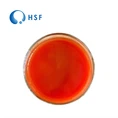

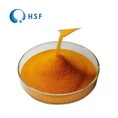
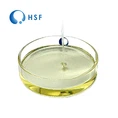
Beta-carotene is a red-orange pigment found in plants and fruits, especially carrots and brightly colored vegetables. This yellow/orange pigment gives vegetables and fruits their rich color.


H. Wachenroder crystallized β-carotene from carrot roots in 1831 and proposed the name "carotene". Afterwards, three carotene isomers, α, β, and γ, were discovered. Among them, β-carotene has the highest activity and is the most important. It has the structural characteristics of a conjugated polyene and is a very important natural product. Its structural formula is as follows:

sourse of beta-carotene
β-carotene can be produced by three methods: chemical synthesis, plant extraction and microbial fermentation. According to different production methods, it is divided into two categories: chemically synthesized β-carotene and natural β-carotene. In the past, artificially synthesized β-carotene was mostly used in the fields of food, cosmetics and health products.
With the continuous development of toxicology and analytical technology, studies have shown that although the purity of chemically synthesized β-carotene is relatively high and the production cost is low, the products are easily adulterated with small amounts of toxic chemicals. Moreover, the absorption effect is too poor compared with natural β-carotene, while natural β-carotene has good absorption effect and does not contain harmful substances. Therefore, as awareness continues to increase, natural β-carotene will occupy an active position in the market.
Microbial fermentation method refers to a method in which microorganisms can synthesize β-carotene in their bodies by using microbial culture technology, and then separate them from microorganisms to obtain β-carotene.


At present, the production of β-carotene by microbial fermentation has attracted more and more attention. Blakesleatrispora is the only strain that realizes the industrial production of β-carotene. Microbial fermentation to produce β-carotene has become a promising and attractive method due to its environmental protection and sustainability.
functions of beta-carotene
- A safe source of vitamin A
Pure beta-carotene is a deep orange-red crystal with metallic luster. It is insoluble in water and soluble in organic solvents. In the body, it can be converted into two molecules of vitamin A by the action of oxygenase (β-carotene-15,15′-oxygenase) in the small intestinal mucosa or liver. Beta-carotene is abundant in food and is therefore considered the body's main source of vitamin A. Because excessive intake of vitamin A by the human body can cause poisoning, the human body will only convert beta-carotene into vitamin A when needed. This feature makes beta-carotene a safe source of vitamin A.
- An effective antioxidant
Beta-carotene is an antioxidant. Current research shows that beta-carotene achieves antioxidant effects by protecting the body from oxidative damage. This is because the molecules contain multiple double bonds, which are easily oxidized in the presence of light, heat, oxidation, and oxidatively active free radical ions, thereby protecting the body from damage. It is now known that one molecule of β-carotene can inhibit 1,000 molecules of reactive oxygen species. It can also act as a weak oxidant to directly react with free radicals, preventing the chain reaction of free radicals, thereby reducing its damage to cells.
According to current relevant research progress, β-carotene mainly focuses on good vision and eye health, a strong immune system, and healthy skin and mucous membranes, protecting people's health:
1. Keep your eyes clean
Research shows that a diet rich in beta-carotene and other carotenoids can reduce the risk of age-related macular degeneration (AMD) by up to 35%. Beta-carotene also helps keep the cornea (surface of the eye) healthy and moist, optimizing eye health. Vitamin A can help optimize night vision or low-light vision because it helps the eye convert light into signals that are sent to the brain. As a powerful antioxidant, beta-carotene helps relieve oxidative stress on the eyes caused by blue light and UV radiation from device screens. Vitamin A strengthens the immune system and helps reduce eye inflammation and the risk of eye infections.
2. A new skin care secret
Beta-carotene and other carotenoids may also help maintain the overall health of your skin by protecting it from ultraviolet (UV) rays and pollution. Since UV exposure can cause skin aging, beta-carotene benefits can keep your skin healthy.
3. Build a strong body "firewall"
Beta-carotene can reduce oxidative damage to immune cells and promote the production of certain interleukins to exert immune regulatory functions. Bendich's in vitro experiments found that after mice took β-carotene, the response of splenocytes to mitogens was enhanced, and the response of T lymphocytes to concanadin A was significantly enhanced; Tomita et al. demonstrated that β-carotene enhanced lymphocyte immunity Function.
It is worth noting that in daily life, consumers can consume foods containing carotenoids (mainly β-carotene and lycopene). It is recommended that adults take 6mg-15mg of β-carotene every day to meet the body's nutritional deficiencies. Since beta-carotene is fat-soluble, it should be taken with food to ensure absorption.
application of beta-carotene


- Used in medicine:
Treatment of vitamin A deficiency; anti-aging and other effects.
β-carotene→VA carotene is provitamin A, of which β-carotene plays the main role. Carotene can treat various diseases caused by vitamin A deficiency. In addition, carotene can also effectively remove free radicals in the body, prevent and repair cell damage, inhibit DNA oxidation, and improve human immunity.
- As additives (food, beverages, feeds, cosmetics)
The food coloring β-carotene is also widely used as an additive in food, beverages and feeds. It is a non-toxic and nutritious food additive recognized by the Joint Committee on Food Additives of the Food and Agriculture Organization of the United Nations and the World Health Organization. Research also shows that applying antioxidant vitamins to the skin can not only prevent ultraviolet damage, but also promote the repair of damaged skin and keep the skin elastic. Therefore, beta-carotene is gradually being used in emerging markets such as cosmetics.
carotene product types
HSF's NutraColour™ Beta carotene which covers below three main lines, is obtained from Blakeslea trispora through a fermentation process using the two sexual mating types of the fungus in specific proportions.
- Beta Carotene CWS/CWD The spray-dried water dispersible powder
- Beta Carotene OS The oil suspensions of beta carotene
- Beta Carotene BD The direct compressible beadlets

Our Advantages
Environment-friendly and Sustainable Production. NutraColor™ Beta Carotene is from Blakeslea trispora based on fermentation process.
Safe usage as food additive or supplement. Compared with synthetic source, there is no chemicals included in the product, making it a safer source of additive and supplement.
Strict Quality Control and Assurance. Test reports from own and third-lab to ensure the quality of the products.
Global Recognized Certifications. Manufactured complying with ISO9001, FSSC22000, cGMP, and are certified by IP(NON-GMO), Kosher and Halal.
For more information, please contact:
Email: sales@healthfulbio.com
Whatsapp: +86 18992720900