



The growth, reproduction and survival of cultured objects are key elements in contemporary aquaculture. As a natural pigment and powerful antioxidant, astaxanthin has brought revolutionary breakthroughs to aquaculture.
What is Astaxanthin?


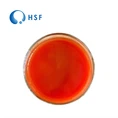
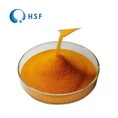
Astaxanthin is a keto carotenoid also known as astaxanthin or lobster shell pigment. It exists widely in the biological world, especially in the feathers of aquatic animals such as shrimps, crabs, fish and birds, where it plays a coloring role. Astaxanthin is the highest-level product of carotenoid synthesis. It is dark pink in color and has a chemical structure similar to β-carotene.
Application of Astaxanthin in Aquaculture
Astaxanthin has multiple functions in aquaculture, mainly reflected in improving the growth performance of cultured objects, enhancing disease resistance, improving reproductive performance, and increasing survival rate.
- Color enhancement and antioxidant, dual effects boost market competitiveness
First, astaxanthin can be used as a colorant and antioxidant in aquatic feeds. Due to its color-producing effect, astaxanthin can improve the color of the meat of fish, shrimp, crab and other aquatic animals, making it more marketable. At the same time, astaxanthin has strong antioxidant properties, which can scavenge oxygen free radicals and protect cells and tissues from oxidative damage, thus improving the disease resistance of cultured objects.
- Promote reproduction and increase yield
Secondly, astaxanthin helps to improve the reproductive performance of cultured objects. Research shows that astaxanthin can promote the development and maturation of fish follicles, increase ovulation, and thus improve reproductive efficiency. In addition, astaxanthin can also improve the survival rate of aquatic animals. During the breeding process, various stress factors may cause physiological dysfunction of the cultured objects, thereby affecting their growth and survival. Astaxanthin can enhance the anti-stress ability of cultured objects and reduce mortality caused by stress.
- Enhance disease resistance and reduce breeding risks
During the breeding process, various stress factors may cause physiological dysfunction of the cultured objects, thereby affecting their growth and survival. Astaxanthin can significantly enhance the anti-stress ability of cultured objects and reduce mortality caused by stress. This undoubtedly provides farmers with a strong layer of protection and reduces farming risks.
The application of astaxanthin in aquaculture can be through feed addition or direct use of astaxanthin-containing feed in the culture environment. By rationally utilizing astaxanthin, the growth of cultured objects can be promoted, disease resistance can be improved, reproductive performance can be improved, and survival rates can be increased. This can not only increase breeding efficiency, but also help improve the quality and safety of aquatic products.


Commitment to quality and safety
Choosing HSF Biotech's astaxanthin means choosing quality and safety. The astaxanthin we provide comes from high-quality raw materials and undergoes strict processing technology and quality control to ensure that every component of the content meets industry standards and regulatory requirements. Our products have passed the testing and certification of many authoritative institutions and are a powerful assistant for your aquaculture business.