


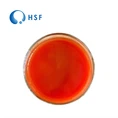

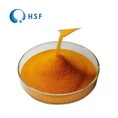
When you think of vibrant red, pink, and orange fruits and vegetables, you're likely seeing the work of lycopene-a powerful carotenoid pigment responsible for the rich color of ripe tomatoes, watermelons, and pink grapefruits. But lycopene is far more than just a natural colorant. It is one of the most effective antioxidants found in nature, known for its ability to help protect cells from oxidative stress and support overall wellness.
As interest in natural, plant-based nutrition grows, many people ask: what food is highest in lycopene? The answer might surprise you. In this comprehensive guide, we'll explore the richest dietary sources of lycopene, explain how cooking and processing affect its availability, and introduce you to HSF Biotech's Lycopene Oil-a convenient, bioavailable way to ensure you're getting enough of this important nutrient.

Understanding Lycopene: More Than Just a Red Pigment
Lycopene is a carotenoid-a class of pigments synthesized by plants, algae, and photosynthetic bacteria. Unlike beta-carotene, lycopene does not convert to vitamin A in the body. Instead, it functions primarily as a potent antioxidant, recognized as one of the most effective singlet oxygen quenchers among all carotenoids.
Because the human body cannot produce lycopene, it must be obtained through diet or supplementation. Once consumed, lycopene accumulates in various tissues, where it helps neutralize free radicals and supports cellular health.
The Top Food Sources of Lycopene
While many red and pink plant foods contain lycopene, some are dramatically richer than others. Here are the highest sources.
1. Tomato Products (Especially Cooked and Processed)
Tomatoes are the undisputed king of lycopene. However, the form in which you consume them matters enormously. Cooking and processing tomatoes breaks down cell walls and concentrates the lycopene, making it much more available for your body to absorb.
| Tomato Product | Approximate Lycopene Content (per 100g) | Notes |
|---|---|---|
| Tomato Paste | 40-60 mg | The most concentrated source. |
| Tomato Puree | 20-30 mg | Also very high. |
| Tomato Sauce | 15-20 mg | Widely available and versatile. |
| Ketchup | 10-15 mg | Contains added sugar and salt. |
| Canned Tomatoes | 5-10 mg | Still higher than raw. |
| Raw Tomatoes | 2-5 mg | Lowest among tomato products. |
Why cooked is better: Raw tomatoes have tough cell walls that trap lycopene. Heating breaks these walls down, releasing the lycopene and making it much more absorbable. This is why tomato paste, sauce, and even ketchup are superior sources to fresh tomatoes.
2. Watermelon
Watermelon is a surprisingly rich source of lycopene, containing about 4-5 mg per 100g (roughly a cup). Unlike tomatoes, the lycopene in watermelon is already highly bioavailable, meaning you absorb it well even without cooking.
Tip: The redder the flesh, the higher the lycopene content. Yellow watermelon contains almost no lycopene.
3. Pink Grapefruit
Pink and red grapefruits contain about 2-3 mg of lycopene per 100g (approximately half a medium grapefruit). White grapefruit contains negligible amounts.
4. Guava
Guava is an excellent source, containing about 5-7 mg of lycopene per 100g (about one medium guava). Pink-fleshed varieties are higher than white-fleshed.
5. Papaya
Papaya contains roughly 1-3 mg of lycopene per 100g. Like watermelon, its lycopene is relatively bioavailable even when raw.
6. Rose Hips
Rose hips (the fruit of the rose plant) are a concentrated source, containing about 4-6 mg per 100g. They are often consumed as a tea or supplement.
7. Red Bell Peppers
While not as high as tomatoes or watermelon, ripe red bell peppers contain about 0.5-1 mg of lycopene per 100g. They are also rich in vitamin C.
Comparing Lycopene Content: Table of Top Sources
| Food | Lycopene (mg per 100g) | Best Form |
|---|---|---|
| Tomato Paste | 40-60 | Cooked/processed |
| Tomato Puree | 20-30 | Cooked/processed |
| Tomato Sauce | 15-20 | Cooked/processed |
| Ketchup | 10-15 | Processed |
| Guava | 5-7 | Raw |
| Canned Tomatoes | 5-10 | Cooked/processed |
| Watermelon | 4-5 | Raw |
| Rose Hips | 4-6 | Dried/tea |
| Pink Grapefruit | 2-3 | Raw |
| Papaya | 1-3 | Raw |
| Raw Tomatoes | 2-5 | Raw |
| Red Bell Pepper | 0.5-1 | Raw or cooked |
Why Dietary Lycopene Alone May Not Be Enough
Even with the best dietary intentions, achieving consistently high lycopene levels can be challenging for several reasons:
Variability in produce: Lycopene content varies widely based on ripeness, variety, growing conditions, and storage.
Cooking required for absorption: Raw tomatoes-the most common form-have low bioavailability. To get the benefits, you need to cook them into sauces or pastes.
Dietary fat needed: Lycopene oil is fat-soluble, meaning it must be consumed with fat to be absorbed. A low-fat meal with tomato sauce will not deliver much lycopene to your tissues.
Modern diets: Many people do not regularly consume cooked tomato products, watermelon, or guava in sufficient quantities.
For these reasons, a high-quality lycopene supplement can be a practical and effective way to ensure consistent intake.
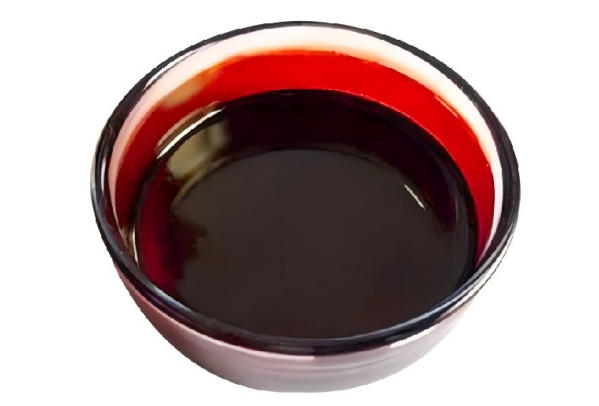
Why Choose HSF Biotech's Lycopene Oil?
For those seeking a reliable, highly bioavailable source of lycopene, HSF Biotech offers a premium Lycopene Oil that combines natural fermentation technology with an oil-based formulation for superior absorption.
Why HSF Biotech Lycopene Oil Stands Out
Natural Fermentation Source: Our lycopene is derived from Blakeslea trispora, a non-GMO fungus, through a controlled fermentation process. This yields a natural, highly bioavailable lycopene identical to what is found in nature-without the variability of plant crops.
Oil Suspension for Maximum Absorption: Because lycopene is fat-soluble, an oil-based suspension is the most bioavailable form. Our product is suspended in sunflower seed oil with added vitamin E (a natural antioxidant) to protect against oxidation and enhance stability. This means your body can absorb and utilize the lycopene effectively without requiring you to consume additional fat at the time of supplementation.
High Potency: Available in multiple concentrations, including 6%, 10%, 20%, and 30% lycopene oil suspensions, allowing you to choose the right strength for your needs.
Clean Formulation: Our lycopene oil contains lycopene, sunflower seed oil, and vitamin E-no unnecessary additives or fillers.
Rigorous Quality Assurance: HSF Biotech is committed to the highest international standards. Our lycopene oil is produced in facilities with certifications including ISO 9001, FSSC 22000, cGMP, Kosher, and Halal. Every batch undergoes strict testing for purity, potency, heavy metals, and microbiology.
Excellent Stability: Our packaging protects the oil from light and oxygen, ensuring a 24-month shelf life when stored properly.
Versatile Applications: HSF's Lycopene Oil can be used as:
A dietary supplement (taken orally, added to water or juice)
A skin health ingredient (topically or orally)
A natural colorant for functional foods and beverages
A fortifier for cosmetics and pet food
Product Specifications at a Glance
Product Name: Lycopene Oil (Lycopene Suspension)
Appearance: Dark red to purplish-red oily liquid.
Specifications: 6%, 10%, 20%, 30% lycopene.
Source: Fermentation (Blakeslea trispora).
Carrier: Sunflower seed oil, with vitamin E as an antioxidant.
Features: Natural, highly bioavailable, stable, clean-label.
Applications: Dietary supplements, skin health, functional foods, cosmetics.
Shelf Life: 24 months.

How to Incorporate Lycopene into Your Daily Routine
Dietary Sources (Best Practices):
Use tomato paste or sauce as a base for soups, stews, and pasta dishes.
Cook tomatoes with olive oil to maximize absorption.
Enjoy watermelon, pink grapefruit, and guava as fresh snacks.
Add tomato sauce to eggs, beans, or vegetables.
Supplementation with Lycopene Oil:
Take the recommended dose (follow product instructions or consult a healthcare provider) with a meal. Because the supplement is already in an oil base, it is readily absorbed.
Can be taken directly by mouth or mixed into a small amount of yogurt, smoothie, or salad dressing.

Conclusion: Nature's Red Antioxidant
When asked what food is highest in lycopene, the answer is clear: cooked and processed tomato products-especially tomato paste, puree, and sauce-are the most concentrated dietary sources. Watermelon, guava, pink grapefruit, and papaya are also valuable, particularly for their raw, bioavailable lycopene. However, achieving optimal levels through diet alone can be inconsistent.
HSF Biotech's Lycopene Oil offers a pure, potent, and highly bioavailable way to ensure you get the benefits of this remarkable antioxidant. Whether you are an individual looking to support your cellular health or a manufacturer seeking a premium ingredient for supplements or functional foods, our lycopene oil delivers the quality and efficacy you can trust.
Ready to experience the benefits of nature's red protector? Contact HSF Biotech today at sales@healthfulbio.com to learn more about our Lycopene Oil, request a sample, or discuss your specific needs.