


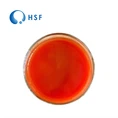

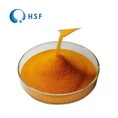

Beta carotene is a red-orange pigment found in plants and fruits, especially carrots and colorful vegetables.
The name beta carotene comes from the Greek "beta" and Latin "carota" (carrot). It is the yellow/orange pigment that gives vegetables and fruits their rich colors. H. Wachenroder crystallized beta carotene from carrot roots in 1831, and came up with the name "carotene".
In this article, we explain all about beta carotene, what it does in the body, and what foods it is found in. We will also cover any associated risks.
Fast facts on beta carotene
Here are some key points about beta carotene. More detail and supporting information is in the main article.
Beta carotene is a red/orange pigment found in many fresh fruits and vegetables
Beta carotene is converted into vitamin A, an essential vitamin
Vitamin A is toxic at high levels
Beta carotene is a carotenoid and an antioxidant
Foods rich in vitamin A include onions, carrots, peas, spinach and squash