



Butter
Butter is made from milk. The milk is churned until it turns into a thick, yellow substance that magically melts on toast. Butter comes from animal fat that contains saturated fat. Saturated fat increases low-density lipoprotein cholesterol levels and raises the risk of heart disease. The American Heart Association recommends that only 6% or less of the total calories consumed by the general population come from saturated fat.
According to data from the US Department of Agriculture, one tablespoon of butter contains 100 calories, 11.4 grams of fat, 7.19 grams of saturated fat, 30.1 milligrams of cholesterol, and 0 grams of carbohydrates. Some types of butter may also contain salt.
Environmental resources scientists at Utah State University found that butter made from grass-fed cows' milk contains more omega-3 fatty acids, which are beneficial for heart health. In contrast, butter made from cows fed with mixed feed contains fewer omega-3 fatty acids.

Margarine
On the other hand, margarine was invented in the 1860s as a cheap alternative to butter for the provision of butter to French workers and soldiers during the Franco-Prussian War. According to the "Encyclopedia of Food Science and Nutrition," the original margarine was made by churning beef fat mixed with milk. Subsequent processing no longer used animal fats and instead utilized hydrogenated vegetable oils. Hydrogenation is a process developed in the early 20th century that involves solidifying vegetable oils using trans fats. This means that the closer margarine is to being solid, the higher the content of trans fats, which are unhealthy. Trans fats increase low-density lipoprotein cholesterol levels and decrease high-density lipoprotein cholesterol levels. The American Heart Association recommends eliminating trans fats from the diet.
One advantage of margarine is that, since it is made from vegetable oils, it can provide beneficial fats for heart health. According to data from the US Department of Agriculture, one tablespoon of margarine contains 100 calories, 11.3 grams of fat, 2.13 grams of saturated fat, 0 milligrams of cholesterol, and 0 grams of carbohydrates. Some brands of margarine are fortified with vitamins or omega-3 fatty acids.

Which one is healthier?
Margarine contains significantly less saturated fat than butter, so consuming margarine can help reduce the intake of saturated and trans fats, lowering the risk of heart disease.
1. Other low-fat condiments made from plants
While butter and margarine are the most common, there are now various plant-based alternatives available in the market. Low-fat condiments that contain plant sterols and stanols can also help reduce low-density lipoprotein cholesterol levels.
Using olive oil, which contains monounsaturated fats, as a condiment can also help lower low-density lipoprotein cholesterol levels and reduce inflammation.
Other low-fat condiments made from plants that nutritionists recommend include: mashing avocados and spreading them on toast like peanut butter; cold-pressed olive oil, high-quality coconut oil, ground flaxseeds, and hummus.

Controlling Consumption
No matter which type of fat you choose, it's important not to overconsume it. While the body needs fat to function properly, it's easy to consume too much because of its high calorie content. Remember: 1 gram of fat contains 9 calories, while 1 gram of protein or 1 gram of carbohydrates contains only 4 calories. You also need to consider how condiments such as butter or margarine fit into your daily diet.
Most people occasionally crave fat, and research shows that humans are naturally wired to want more fat. Fat can activate pleasure pathways similar to cannabis, which may lead to overeating. When fat is combined with sugar, it is one of the most addictive processed foods.
Because butter and margarine are often found in baked goods and other highly processed foods, it's also best to limit the consumption of these foods. The combination of fat and refined carbohydrates can be highly addictive.
To develop healthy eating habits while still meeting the body's need for fat, it is recommended to incorporate animal proteins that contain fat, such as salmon or other fatty fish known for their heart-healthy benefits, and combine them with whole vegetables. Consuming healthy fats can help prevent various neurodegenerative diseases such as dementia and cancer. Eating minimally processed vegetables can help balance the diet, which aids in weight control and helps ward off certain chronic diseases.
Due to the satiating effect of fats, incorporating some healthy fats into each meal can reduce the overall amount of food consumed.

HSF Biotech Grass-Feed Butter Powder
HSF Biotech Company is a leading producer of grass-fed butter powder. Our company specializes in producing high-quality butter powder made from the milk of grass-fed cows.
At HSF, we understand the importance of providing a premium product that meets the demands of health-conscious consumers. Our grass-fed butter powder is made from the milk of cows that graze on natural pastures, ensuring that they receive a nutrient-rich diet free from artificial additives and hormones.
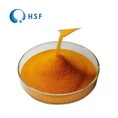
Our production process involves careful selection of the highest quality milk, which is then churned to create rich and creamy butter. The butter is then gently dried to remove its moisture content, resulting in a fine powder that retains all the natural goodness and flavor of traditional grass-fed butter.
HSF Biotech grass-fed butter powder offers a convenient and versatile alternative to traditional butter. It can be easily incorporated into various recipes, including baked goods, sauces, and beverages. With its long shelf life and ease of use, our butter powder provides a convenient solution for those who prefer the taste and nutritional benefits of grass-fed butter but require a more portable and practical option.
Experience the rich, creamy, and nutritious taste of grass-fed butter with HSF Company's premium grass-fed butter powder. Elevate your culinary creations and embrace the health benefits of grass-fed dairy products with our exceptional product.

Want to get FREE SAMPLES, please contact our specialists at sales@healthfulbio.com.