


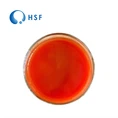

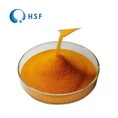
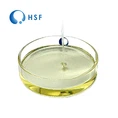
Astaxanthin is a widely distributed red pigment found in various organisms. Although the term astaxanthin is not commonly used in daily life, it is present in many human food sources. The red color exhibited by most crustaceans such as shrimp, lobster, and crab is due to the accumulation of astaxanthin. The flesh color of certain fish, such as salmon, is also a result of astaxanthin accumulation. Astaxanthin is a valuable carotenoid with a wide range of applications. Due to its unique coloring and physiological functions, it has gained significant attention from researchers and industries such as chemical, food, and cosmetics.
Sources of Astaxanthin
Astaxanthin can be obtained through chemical synthesis or natural extraction.
1. Chemical Synthesis Method
Astaxanthin is the final product of carotenoid synthesis, and its artificial chemical synthesis is challenging and often results in the formation of cis-isomers. The trans-isomer form of astaxanthin is approved by the U.S. FDA for industrial production.
2. Natural Extraction Method
- Extraction from Aquatic By-Products
The usual method involves the grinding of shrimp and crab shells, followed by acid hydrolysis and extraction with organic solvents such as acetone and petroleum ether. Abroad, a polymer system is used to extract astaxanthin, astaxanthin esters, and canthaxanthin from waste material of spiny lobster with a yield as high as 153 μg/g.
- Extraction of Astaxanthin from Cultivated Algae
Many types of algae have the capability to produce astaxanthin, and Haematococcus pluvialis is an important astaxanthin-producing microalga. When this alga is cultivated under nitrogen-deficient conditions, astaxanthin accumulates within the algal cells. Additionally, the addition of Fe2+ to the culture medium significantly increases the synthesis of astaxanthin, leading to a transformation in cell morphology from vegetative cells to cyst cells. Light intensity, duration, and quality also impact the accumulation of astaxanthin. The astaxanthin content in Haematococcus pluvialis can reach as high as 0.2% to 2.0%.
- Extraction of Astaxanthin from Yeast
Currently, red yeast (Phaffia rhodozyma) is mainly used as the strain for fermentative production of astaxanthin abroad. Red yeast possesses several essential characteristics as a biological source of astaxanthin: it is a major carotenoid for astaxanthin synthesis, does not require light for growth, can utilize various sugars as carbon sources for rapid anaerobic metabolism, has a short cultivation period, and can be cultivated at high density in fermenters. The single-celled biomass of the yeast after pigment extraction can be used as bait or feed additives.

Application of Astaxanthin
1. Application of Astaxanthin in Feed Industry
Astaxanthin can be used as a feed additive for abalone, sturgeon, salmon, rainbow trout, black porgy, crustaceans, ornamental fish, various poultry, and pigs. Its main functions are:
- As a natural pigment to increase nutrition and commodity value. Astaxanthin added to feed accumulates in the body of fish and crustaceans, making them appear red, brightly colored and nutrient-rich, not much lower than wild ones. After feeding poultry and livestock with astaxanthin-added feed, the yolk volume increases, and the skin, feet, and beaks become golden yellow, all of which greatly improve the nutritional and commodity value of poultry eggs and meat, and are beneficial to human health.
- As a natural hormone to improve reproductive ability. Astaxanthin can promote fertilization of fish eggs as a natural hormone, reduce embryonic mortality, promote individual growth, increase maturity speed and reproductive ability.
- As an immunomodulator to improve health status. Astaxanthin's ability in antioxidant and free radical elimination is stronger than β-carotene.
- Improving the color of skin and muscle. Adding 50mg/kg of astaxanthin to the feed of ornamental fish such as red swordtails, pearl gouramis, and paradise fish can effectively enhance the body color of the fish and increase their ornamental value.

2. Application of Astaxanthin in Cosmetics
As the strongest natural antioxidant in nature, astaxanthin extracted from natural seaweed is known as the "super vitamin E". Its antioxidant activity is 550 times that of vitamin E, which can effectively protect the skin from damage caused by ultraviolet radiation (UVA, UVB), and it can also act as a potential photoprotective agent to prevent photoaging of the skin and the occurrence of skin cancer. Its powerful ability to eliminate free radicals can prevent damage to skin cells and reduce the formation of wrinkles and age spots. In addition to its many medicinal and additive uses, astaxanthin is widely used as a new type of cosmetic raw material due to its excellent properties, and can be found in creams, lotions, lip balms, and other skincare products.
- Used in Facial Skincare Creams
The structural characteristics of astaxanthin make it highly reactive with free radicals and able to remove them, thus providing an antioxidant effect. When used in skincare products, it has anti-aging effects, reduces the formation of wrinkles and age spots, and can be applied in formulas for whitening and anti-aging skincare creams. An example formula (w/w) includes: 0.2% powder natural astaxanthin, 0.5% soluble eggshell membrane, 0.5% hexadecyl phosphoric acid betaine, 10.0% squalane, 5.0% white wax, 4.0% cetyl alcohol, 2.0% cetostearyl alcohol, 2.0% polysorbate 60, 5.0% glycerin, 0.1% fragrance, 0.1% methyl paraben, and deionized water added to 100%. This formula can moisturize and soften the skin, increase elasticity, reduce wrinkles, lighten spots, whiten the skin, and delay skin aging with long-term use.
- Used in Sunscreen Cosmetics
Ultraviolet radiation is a major cause of epidermal photoaging and skin cancer. Astaxanthin can effectively eliminate free radicals produced by UV radiation in the body, regulate and reduce the damage caused by photochemical reactions. Moreover, astaxanthin has a special effect on transglutaminase, which can consume histamine when the skin is exposed to light. This indicates that the strong antioxidant activity of astaxanthin can be used as a potential photoprotective agent to prevent photoaging of the skin and the occurrence of skin cancer.
- Used as a Coloring Agent in Cosmetics
Astaxanthin can be used as a liposoluble pigment with a bright red color and strong antioxidant properties. In cosmetics, it not only effectively contributes to color retention, flavor preservation, and quality assurance but also serves as a long-lasting coloring agent in products such as lipsticks and lip balms.

HSF Biotech Producing Fermentation-Derived Astaxanthin from Haematococcus pluvialis
Astaxanthin, a unique and widely applied cosmetic ingredient, has attracted considerable attention in the domestic and international cosmetics industry. Novel specialized cosmetics utilizing astaxanthin as a functional ingredient have become a topic of research in the global personal care sector, showcasing vast development prospects. The research and development of new cosmetics in China is progressing rapidly due to intense market competition. Natural and environmentally friendly additives for cosmetics have become a major focus of current research. Therefore, with the rapid advancement of science and technology and the trend towards embracing natural products, it becomes necessary to fully utilize domestic resources of astaxanthin and explore the development of new and high-quality functional cosmetic products in order to meet the growing demands of consumers and improve the overall health of the nation. The potential economic benefits and social impact of such endeavors are evident.
At HSF Biotech, we specialize in the production of astaxanthin derived from Haematococcus pluvialis through fermentation. Haematococcus pluvialis is a green microalgae known for its rich astaxanthin content, making it an excellent source for this valuable compound. Our advanced fermentation technology allows us to cultivate and extract astaxanthin efficiently and sustainably.
By harnessing the power of nature, our production process ensures the highest quality and purity of astaxanthin. We adhere to strict quality control measures at every step, from cultivation to extraction and formulation. Our commitment to excellence guarantees that our customers receive premium astaxanthin for their cosmetic applications.

The multifunctional properties of astaxanthin make it an ideal ingredient for various cosmetic formulations. Its powerful antioxidant activity helps protect the skin from oxidative stress and promotes a youthful appearance. Additionally, astaxanthin has UV-blocking properties, making it an effective natural sunscreen agent. Its ability to improve skin elasticity and reduce the appearance of wrinkles has made it a sought-after component in anti-aging products.
At HSF Biotech, we continuously strive to innovate and develop new applications for astaxanthin in the cosmetics industry. Our research and development team works tirelessly to explore the potential benefits of astaxanthin and create novel cosmetic formulations that meet the evolving needs of consumers.
Want to get FREE SAMPLES, please contact our specialists at sales@healthfulbio.com.