



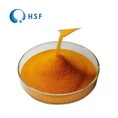
Fermented Ashwagandha is a highly bioactive tan-yellow botanical herbal powder. Ashwagandha, also known as Ashwagandha or winter cherry, is a genus of Solanaceae shrubs with a variety of medicinal properties, an ancient plant native to India and found everywhere. It has always been used by the Indian people as an important medicinal material for hypnosis, nourishing and strengthening the body, and treating various diseases. More and more studies have shown that the alkaloids, steroid lactones, ashwagandha, iron and other active ingredients in Ashwagandha also have various physiological functions. Ashwagandha lactone is the main active ingredient in Ashwagandha extract.

Although it is also known as Ashwagandha, Ashwagandha does not belong to the Araliaceae family, but to the Solanaceae family, the siblings of peppers, eggplants and potatoes. The roots or leaves of Ashwagandha are usually ground into powder for medicinal purposes.
Ashwagandha has a wide range of applications including anticancer, neuroprotective, diabetes treatment, antibacterial, cardiovascular protection, stress relief and anti-inflammatory. Much of the clinical application research still revolves around the ingredient ashanolide.
Ashwagandha helps fight stress because it helps lower the adrenal stress hormone cortisol while increasing levels of the adrenal stress hormones DHEA and testosterone in men. It may help protect and strengthen brain function. Additionally, Ashwagandha is good for muscle mass, strength, and testosterone levels. Ashwagandha extract inhibits the toxic effects of scopolamine on neurons and glial cells. Experiments in mice confirmed that Withaferin A in Ashwagandha can enhance superoxide dismutase, superoxide dismutase, superoxide dismutase, peroxidase and superoxide dismutase. The content of catalase and glutathione peroxidase enhances the antioxidant activity of the brain. Ashwagandha relieves stress-induced T cells and upregulates Th1 cytokines, and has been shown in human clinical trials to lower cortisol hormones without any side effects. In addition, Ashwagandha leaf extract has a significant inhibitory effect on Gram-positive bacteria, including Staphylococcus, Enterococcus, Escherichia coli, Salmonella typhi, Proteus mirabilis, Citrobacter freundii, Pseudomonas aeruginosa, and Pneumococcus.