


The fermented ginger obtained by traditional fermentation process has higher biological activity. It has the functions of anti-oxidation, scavenging free radicals in the human body, lowering blood sugar, lowering cholesterol, anti-inflammatory, antibacterial, anti-tumor, anti-allergic and so on.
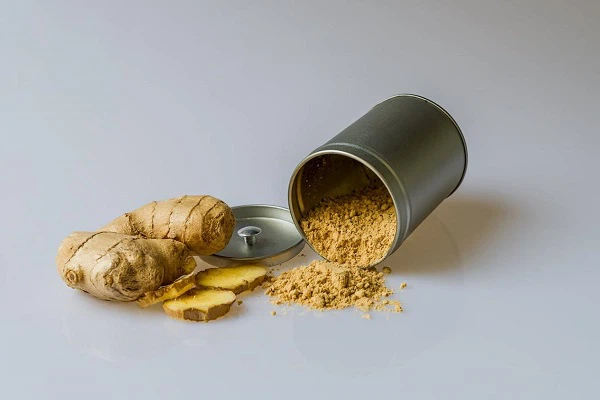
Ginger (Zingiber officinale Roscoe) is not only an important condiment, but also a traditional Asian medicinal and edible plant.Gingerol is the main active ingredient in ginger. Gingerol refers to a compound containing 3-methoxy-4-hydroxyphenyl in its molecular structure, and its content is 2% to 3% of the dry weight of ginger. It is an oily liquid at room temperature. Gingerol compounds have antioxidant, anti-mutagenic, anti-inflammatory, anti-rheumatic, anti-tumor, anti-emetic, anti-dizziness, cold-dispelling and other biological activities, and can be used for the production and treatment of cardiovascular and cerebrovascular.
Anti-inflammatory and anti-cancer effects of gingerol. Gingerol inhibits prostate biosynthesis and has anti-inflammatory effects. Experiments show that 6-gingerol can regulate the level of phosphoprotein kinases and reduce the expression of pro-inflammatory cytokines, thereby playing an anti-inflammatory effect. Gingerol has obvious inhibitory effect on tumor cells, and has different degrees of inhibitory effect on breast cancer, colon cancer, liver cancer and prostate cancer. 6-gingerol inhibits the growth of cancer cells by generating reactive oxygen species, and can also induce cancer cell apoptosis by binding to nuclear DNA; gingerol has toxic effects on various tumor cells at low dose concentrations, preventing tumor cell proliferation.
Ginger as a Chinese herbal medicine must be processed. Studies have shown that different processing methods have a greater impact on the content of gingerol in ginger. Gingerol has neuroprotective properties and can be used to prevent and treat Alzheimer's disease. In anticoagulant pharmacodynamic studies, gingerol showed a good inhibitory effect on platelet aggregation. In addition, gingerol has great application value in the treatment and prevention of cardiovascular disease and chronic myeloid leukemia. Due to its good antioxidant and antibacterial properties, gingerol also has broad application prospects in the food industry.